The White House said the delegation had discussed “substantive plans for next steps” toward ending the war between Ukraine and Russia. Those steps, it added, would be announced in “coming weeks”.
Putin adviser Yuri Ushakov described the more than three hours of talks as “very useful” and said Witkoff and Kushner had “outlined several ideas regarding possible paths to a settlement”. Putin, meanwhile, expressed confidence that Moscow was making “real progress” on the battlefield and would ultimately achieve its goals.
A Winter Opening
The clearest insight into the discussions came from Zelensky.
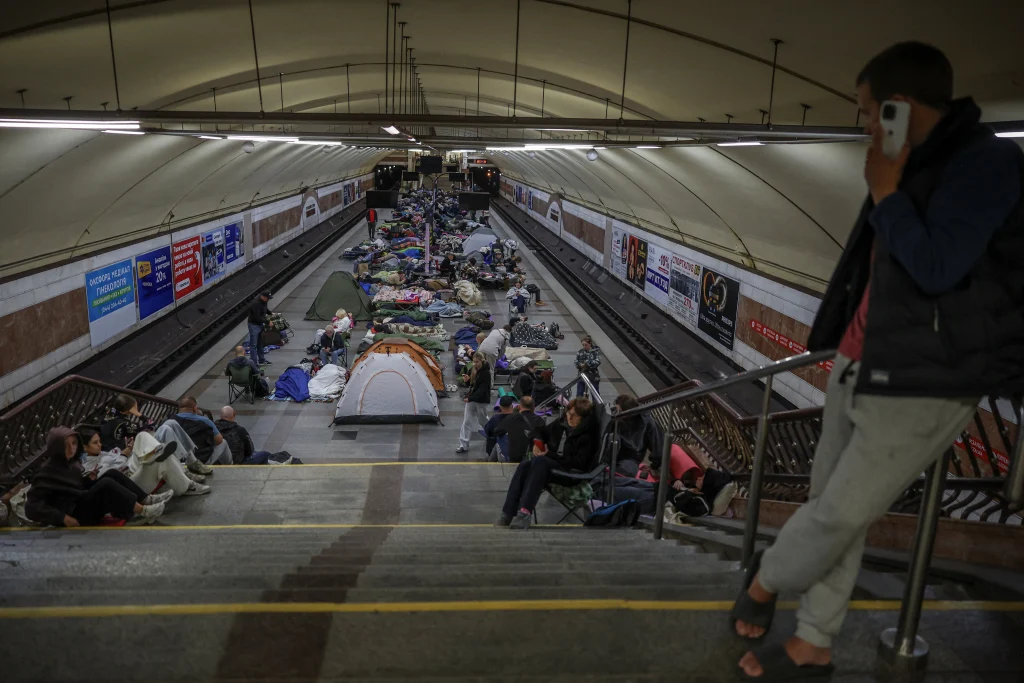
In an Axios interview, he said the talks had covered possible steps to reduce escalation before and during the winter. He recalled previous winters in which Russian attacks on energy infrastructure caused severe disruption to electricity and heating, adding that renewed negotiations should identify measures “that can bring both sides closer to peace”.
He also argued that even if Putin did not want to end the war, Trump could force him to do so. According to the US envoys, he added, the Kremlin was ready to negotiate.
Zelensky suggested that Putin might hand Trump a diplomatic victory by agreeing to a ceasefire or peace deal before the US midterm elections on 3 November.
He nevertheless told reporters that he expected the war to continue through the winter. Neither Washington, Moscow nor Kyiv had announced concrete measures or a date for renewed direct peace talks.
Moscow’s Terms Remain
Any renewed negotiations would still have to overcome Moscow’s longstanding conditions for ending the war.
Putin again emphasized the need to address “all the root causes of the conflict”. Moscow has repeatedly used the phrase to encompass demands including the “demilitarization” and “denazification” of Ukraine, limits on its military alignment and concessions concerning the Russian language and church affairs.
Putin has repeatedly criticized Kyiv over its treatment of the Ukrainian Orthodox Church (UOC), accusing the authorities of putting pressure on Orthodox believers and interfering in church affairs. The UOC declared independence from the Moscow Patriarchate in 2022, although Ukrainian state religious authorities say it retains institutional and canonical ties to the Russian Orthodox Church (ROC).
Territory remains another central obstacle. In April 2025, the Kremlin demanded, as a condition for ending the war, the withdrawal of Ukrainian forces and state authorities from all four Ukrainian regions Moscow claims as Russian territory – Donetsk, Luhansk, Zaporizhzhia and Kherson – including areas Russia does not control.
The Kremlin maintained that position in 2026, with spokesman Dmitry Peskov emphasizing in particular that Ukrainian troops must withdraw from the Donbas. That would include cities such as Kramatorsk and Sloviansk, whose surroundings Ukraine has been fortifying since 2014.
Moscow’s position also reflects its assessment of the battlefield. In mid-May, the Financial Times reported that Russian military leaders had convinced Putin that the entire Donbas could come under Kremlin control by the fall. Taking the region would strengthen Moscow’s hand in negotiations and allow it to press Kyiv for territorial concessions elsewhere.
European Allies Join the Talks
Representatives from the United Kingdom, France and Germany joined one round of talks in Kyiv, broadening the diplomatic format beyond separate US contacts with Moscow and Kyiv.
The contrast was notable: Witkoff had already met Putin six times and Kushner twice, while this was the first visit to Kyiv by either man in his current negotiating role.
For now, their mission remains an exercise in shuttle diplomacy aimed at reviving direct negotiations between Ukraine and Russia.
A peace agreement still appears distant. Trump’s envoys arrived with new ideas, but neither their precise content nor Russia’s willingness to accept them has been made public.