Debrecen Emerges as an Electric-Car Hub
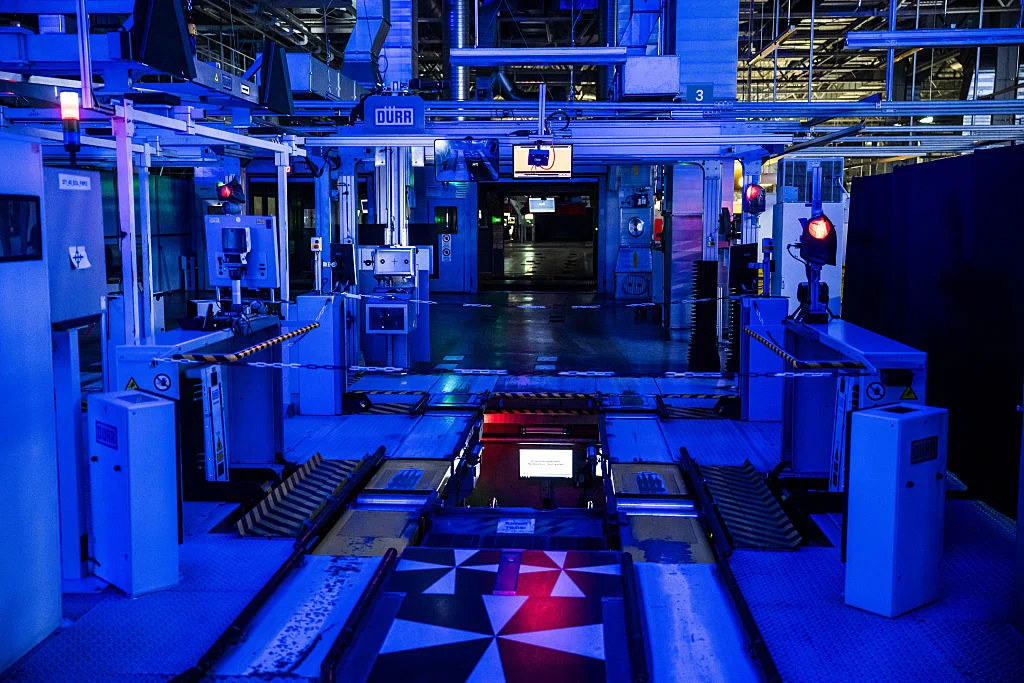
Anyone who wants to see where Europe’s electric car industry is taking shape should look to Debrecen. BMW has built a new plant there for around €2bn ($2.3bn) that produces only electric cars. By the end of July, the 50,000th iX3 had already rolled off the production line, according to company data. Never before had BMW ramped up a new factory so quickly.
The iX3 is the first series-production model based on BMW’s Neue Klasse, which will underpin the company’s next generation of electric vehicles. The crucial manufacturing know-how for the platform is therefore being developed first in eastern Hungary, rather than in Munich, Dingolfing or Leipzig.
Nearby, Chinese market leader CATL is building a €7.34bn ($8.5bn) battery plant. Its planned annual capacity is 100 gigawatt-hours. Up to 9,000 people are expected to work there. The plant would be considerably larger than CATL’s existing factory in the German state of Thuringia and is intended to supply batteries to manufacturers including BMW, Volkswagen and Stellantis. Other Asian manufacturers are already producing cathode materials, separators and battery cells in the region or building facilities to do so.
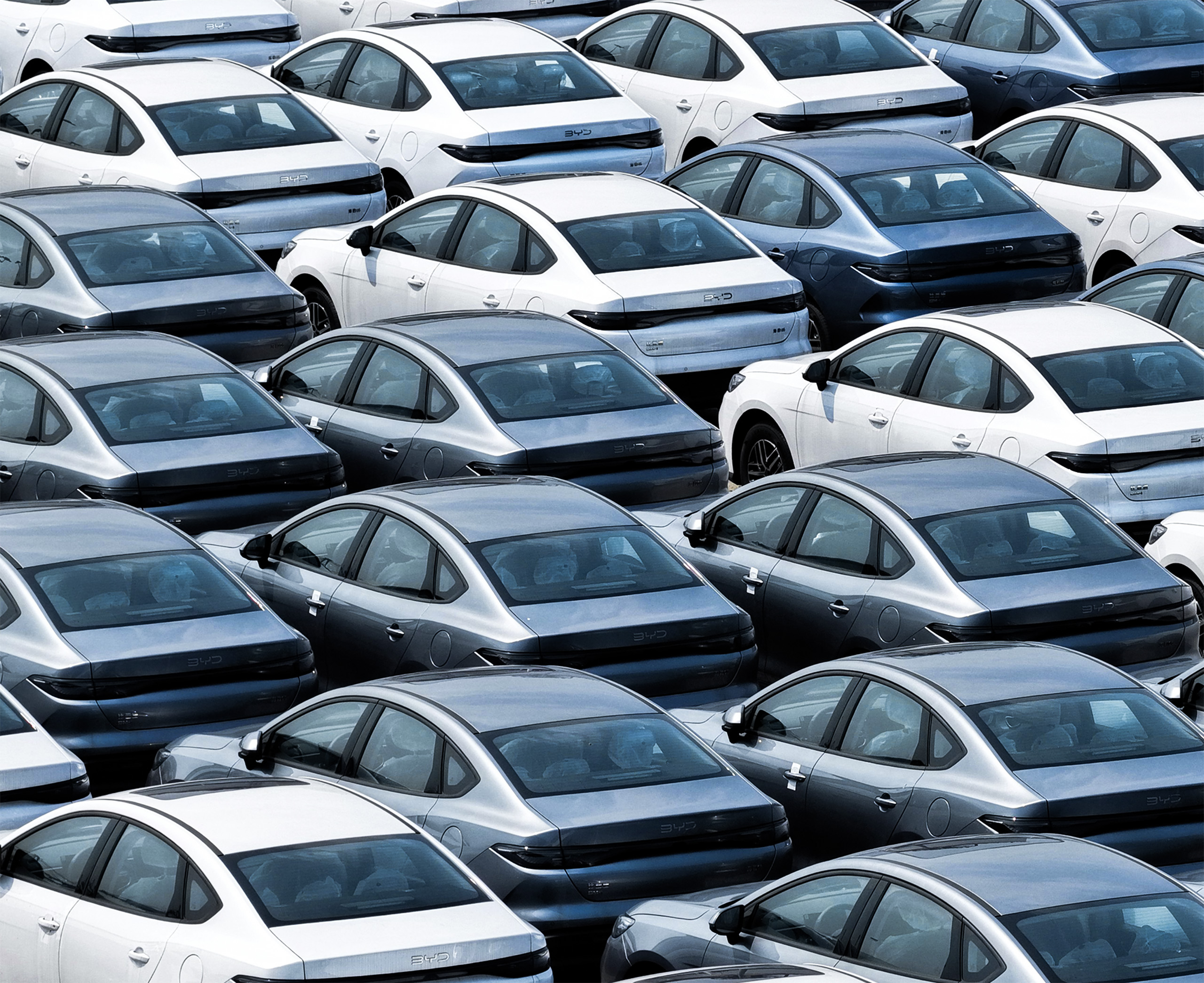
The cars are following the batteries. Chinese manufacturer BYD plans to begin assembling its Dolphin Surf model in Szeged in the fourth quarter. It will be BYD’s first European passenger-car plant. Local production inside the EU will allow the company to avoid the additional tariffs imposed on electric cars imported from China.
Mercedes, meanwhile, is investing a further €1bn ($1.2bn) in the Hungarian city of Kecskemet. The plant is expected to produce up to 350,000 cars a year and become Mercedes’ largest factory in Europe. The expansion will create another 3,000 jobs.
Hungary offers industrial investors a compelling package of advantages. Wages remain among the lowest in the EU, the nominal corporate tax rate is 9% and the government supports major projects with direct subsidies and infrastructure investment. Manufacturers also benefit from the proximity of cell producers, suppliers and car factories, as well as unrestricted access to the European single market.
Electricity is not uniformly cheaper across all consumer groups. Germany is, however, at a clear disadvantage on both labor and energy costs. In Eurostat’s medium consumption band, businesses in Germany paid the third-highest electricity prices in the EU at the end of 2025. For large factories, individual contracts and government relief measures also play a role. Taken together, these factors make it cheaper for German automakers to produce in Hungary than at home.
Germany’s Battery Ambitions Are Shrinking
Germany still has battery-cell production of its own. CATL manufactures cells in Thuringia, while Volkswagen brought its PowerCo plant in Salzgitter online at the end of 2025. Its initial production line will have capacity of up to 20 gigawatt-hours, with a possible doubling depending on demand.
Alongside these projects, however, the list of abandoned plans is growing. Automotive Cells Company, a joint venture between Stellantis, Mercedes and TotalEnergies, has scrapped its planned gigafactory in Kaiserslautern. Chinese manufacturer SVOLT canceled its investment plans for Lauchhammer and later abandoned its projects in Saarland as well.
Swedish battery maker Northvolt originally planned to build a factory near Heide that would have created 3,000 jobs. Following the bankruptcy of its parent company, US firm Lyten is negotiating to take over the prepared site. A broader industrial project is now envisaged in place of the original gigafactory, potentially including batteries, data centers and artificial intelligence infrastructure.
Berlin views Chinese investment with growing suspicion and wants to reduce strategic dependencies. Hungary, by contrast, has deliberately channeled that capital into its own industrial base, building precisely the supply chain that German automakers need for their electric future.
Germany’s real loss therefore goes beyond the sum of individual canceled factories. A battery-cell plant brings suppliers, equipment manufacturers, engineers and the next vehicle production line in its wake. Every new factory makes Debrecen more attractive for the next project. Every cancellation in Germany does the opposite.