As silly season dawns in the English press, a tale of cheating in a game of village cricket has provoked an unprecedented uproar. It is a story that says something about modern Englishness.
In the English national imagination, Cricket is something only a foreigner would cheat at. Photo: David Rogers/Getty Images
|
One of those English phrases that occasionally befuddles foreigners fluent in the language but not the culture is the commonly used aside “it’s just not cricket”. This is generally meant as a gentle condemnation of some dishonorable behavior: it would not be cricket, for example, to skip a queue, try to dodge a bus fare or, for that matter, engage in widespread corporate fraud against one’s customers.
To be cricket, basically, is to be honorable. Straight. A stand-up English chap.
All of this is why the British newspapers – often indecipherably barmy to foreigners – have been taken up this week with the story of a minor scandal that has broken out in a village cricket league in North Yorkshire.
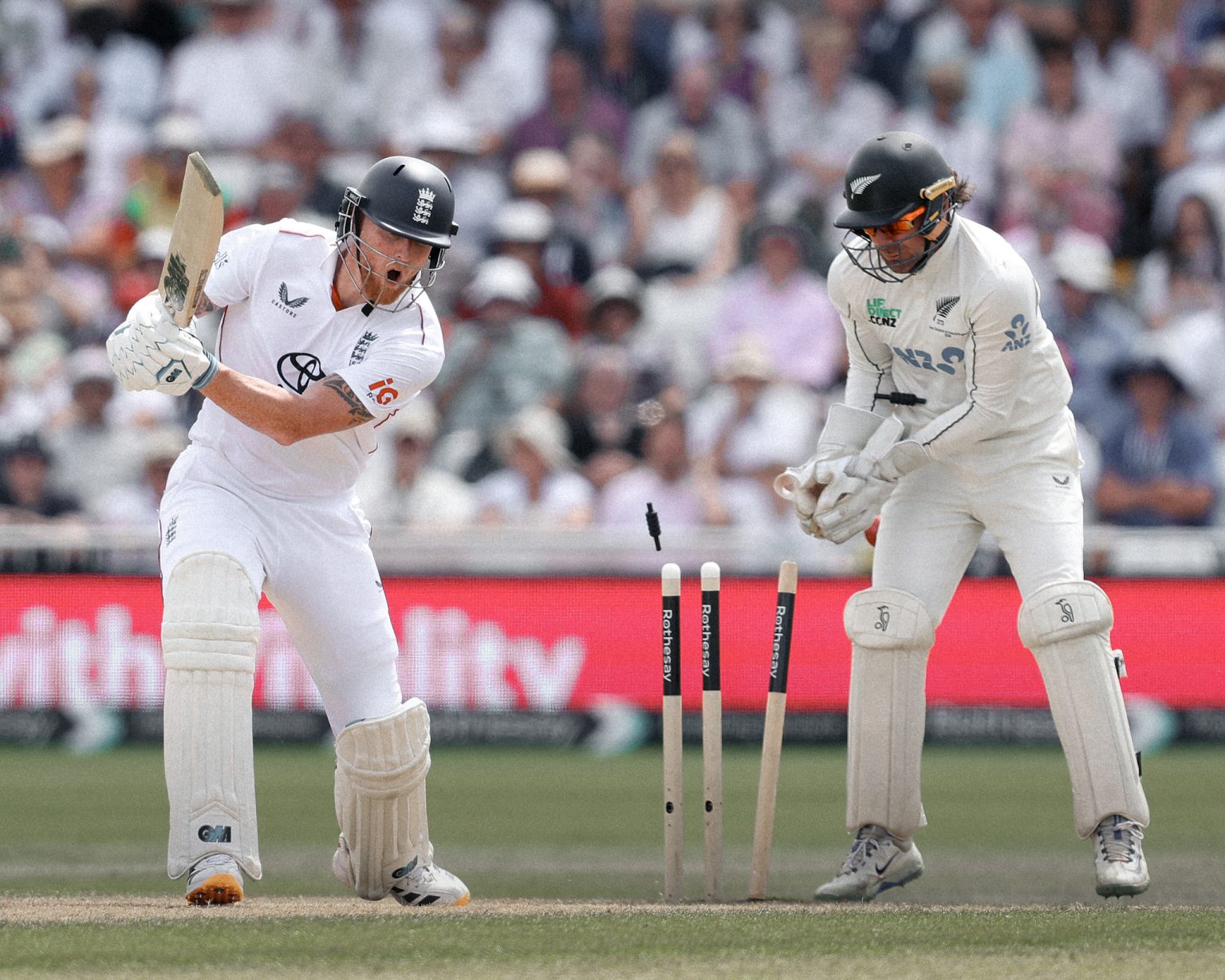
A précis: 38-year-old father of one, Brian Devine, has been caught on video clicking his fingers at key moments in the match, when the opposing team’s batsman swings and misses at the ball. The clicking of the fingers is designed – allegedly – to mimic the sound of the batsman getting an edge, that is to say, hitting the ball very finely with his bat before it passes into the hands of the wicket-keeper, the player with the gloves standing behind the batsman. If a batsman makes even the slightest contact with the ball before it is caught, he is out.
So what Devine is alleged to have done, essentially, is to try to fool the umpires into giving a batsman out when he was not out at all. The video of the outrage has now sustained almost eight million views on social media:
Cheating, of course, happens in sport all the time. Footballers roll around on the ground to feign injury or to try to get opposing players yellow cards. They dive to win penalties. Racing drivers, including some Dutch world champions, occasionally decline to leave opponents racing room. Olympians and cyclists have been known to ingest performance-enhancing drugs, and so on.
Cricket as National Identity
But something peculiar to Englishness is that cricket is supposed to be above all of this. It is a game, notionally, built on English honor and, therefore, something that in the English imagination foreigners would not quite understand. To have a cheating scandal occur on the international stage, where much is at stake, is one thing. There have been many such instances, and mostly at the expense of the hapless English team – what else, after all, would one expect from a dreadful Australian? – but to have it happen in a local English amateur village league is something else.
It exposes, on one level, a crisis of English national identity.
Many nations, of course, have their own national conceits about who they are. The Americans often act as if they were the first and only nation to discover the concept of individual freedom. The French – one might gently observe – have been known to be somewhat prissy about their culture, arts and wine. There was a time when our German readers might have prided themselves somewhat on a national reputation for efficiency.
For the romantically minded Englishman, his country has always been – as Tolkien actually intended – the real-world version of the Shire. It is the land of the humble and decent underdog; the shopkeeper who chases down the street after somebody who has accidentally overpaid; the landlord who treats his tenant farmers as family; and the soft and comforting thwack of leather on willow that signals a friendly game of cricket on the village green.
Preparation for Englishness – Misery as Character
What’s more, there is something about the sport of cricket that is seen as ideal preparation – at least at amateur level – for becoming a good Englishman. The game itself is a test of character: it is possible to give up one’s entire Saturday, spend hours running around chasing a ball, and then, when one’s moment to bat – and therefore to be the star of proceedings – finally arrives, get out first ball and have to trudge off the pitch in misery.
Played well, cricket is a game that teaches endurance, character and injects into a person tolerance of a particular kind of misery and hopelessness that generally characterizes English sport. The soccer player might hold his head in his hands when he misses a key penalty in a shootout. The cricketer would glumly expect exactly that.
But because cricket is ultimately a test of character, it might therefore be expected that some will fail it, as Mr Devine – now nicknamed “Clicky Ponting”, after Ricky Ponting, an Australian captain particularly infamous in England – has. If the allegations are proven, and the video footage is pretty damning, then he will not be the first or last person in human history to have been exposed for taking a shortcut.
Yet to the non-English observer, there remains something comforting about this story. It shows that at least some in England, and hopefully elsewhere in the West, remain sufficiently attached to their national identity to make it a story in the first place. If the message that goes out to young English people a little befuddled by the outrage is “we are English; we do not cheat”, then that is an unashamedly good thing. It is perhaps the kind of micro-nationalism and micro-pride that every society needs to sustain itself.
Or perhaps it is simply silly season. In either case, we can all agree: Mr Devine, your conduct was simply not cricket.