

If SpaceX’s IPO disappoints, it may be another signal to many investors that artificial intelligence no longer has an unwavering magical power over the markets. Not long ago, companies only needed to add the two letters AI to their names to trigger a buying frenzy.
The market environment, however, does not yet favor Elon Musk. On Friday 5 June, the Nasdaq technology index suffered a sharp fall. The usual rapid reversal did not follow during the week.
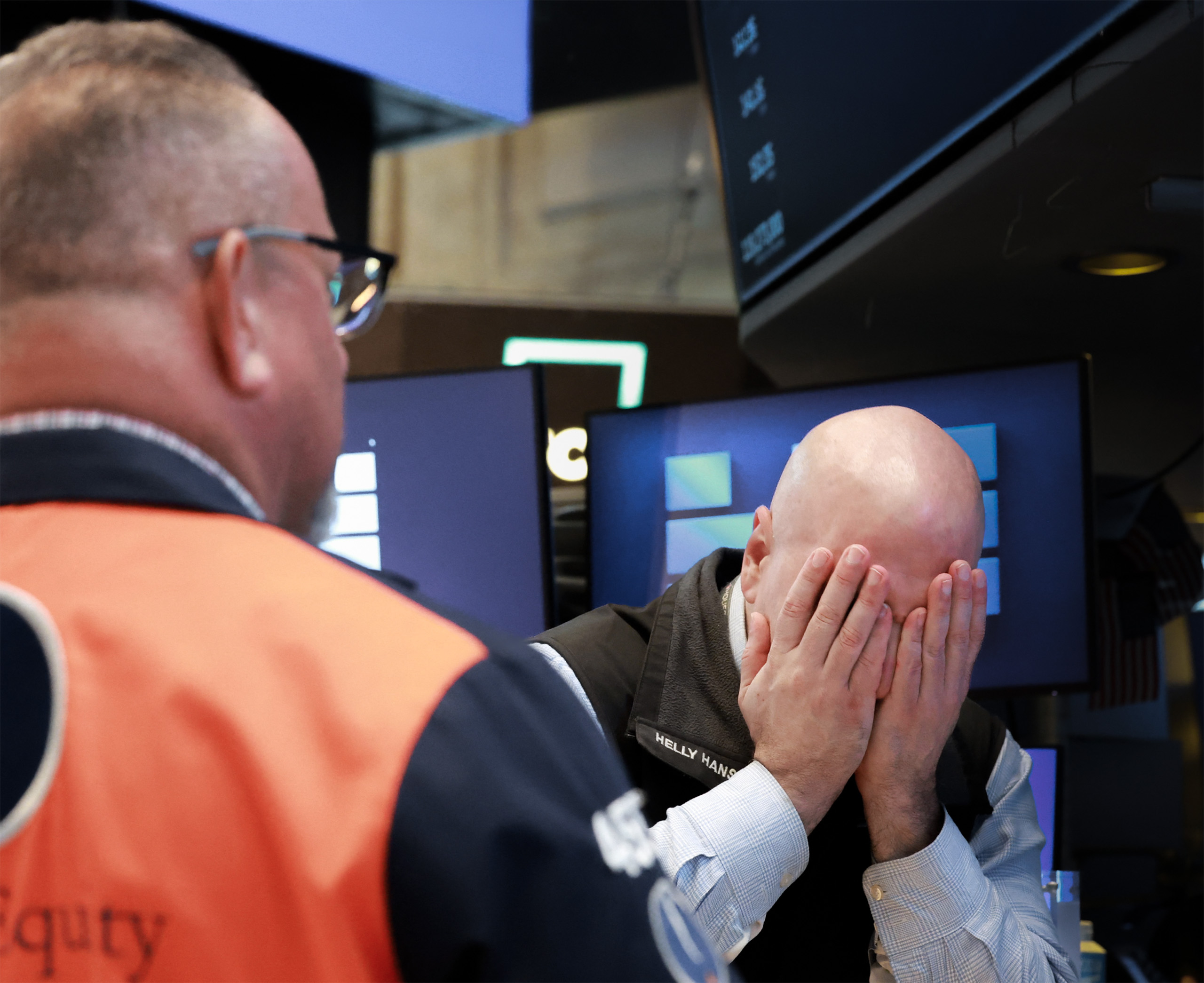
The buy-the-dip strategy that had delivered steady returns over the past two years failed this time. Investors hesitated to step in. The Nasdaq technology index has lost around 8% since its 3 June peak, not in response to any single piece of news or event, but because investors are beginning to realize that the picture is growing more complicated on several fronts.
The Fed in Inflation’s Vise
Markets are beginning to accept that interest rate cuts this year will be extremely difficult. Next week’s first Fed meeting under new chair Kevin Warsh will show how far he is prepared to go, but the pressure is already building.
From the start, Warsh has said that Trump gave him a free hand and that he would not have taken the job otherwise. At the same time, the US president said over the weekend that only an idiot would raise rates now. The new Fed chair remains formally independent, but the statement made Trump’s expectations unmistakable: if Warsh cannot lower rates, as originally planned, he must at the very least leave them untouched.
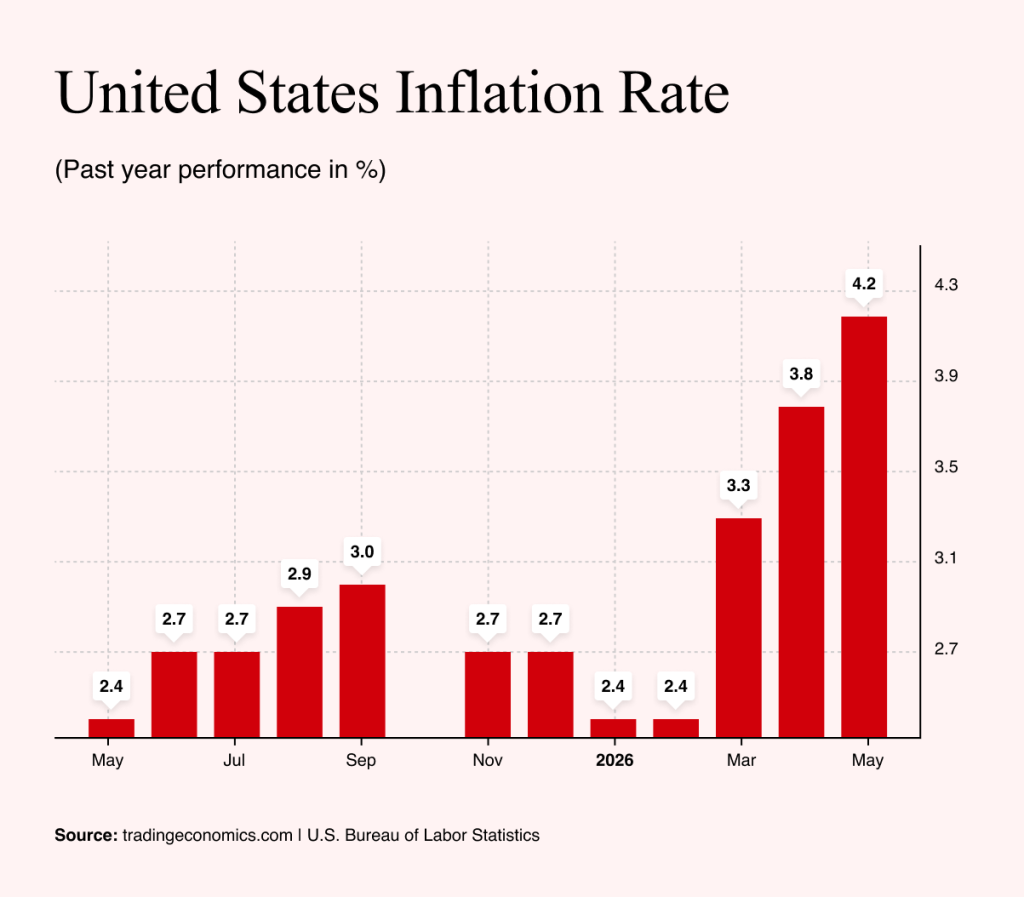
Holding rates steady will be hard for the Fed to justify. On Wednesday, US inflation for May 2026 came in at 4.2%, the highest level in three years.
The only reassurance for investors was that the figure matched analysts’ forecasts exactly. Markets had already braced for the bad news. Even so, the probability of a rate hike by the end of the year immediately rose to 67%.
Such probabilities can move quickly, but a figure that high points to a fundamental shift in investor thinking. At the start of 2026, one or two rate cuts were expected. Now investors are openly pricing in an increase, at a time when governments and large companies alike urgently need cheaper capital.
The Iran War and Broken Promises
Donald Trump has stuck to his contradictory communication strategy. Instead of being wrong-footed by rising inflation, he declared outright that he loves it. It remains to be seen whether his voters share that view. Those with a good memory will recall that Trump won the election on a simple economic platform: energy was to become as cheap as possible in the United States. He wanted to encourage domestic production on a massive scale so that Americans could keep gasoline below $2 a gallon. That plan was within the president’s reach until he attacked Iran.
That is another significant source of concern. The war with Iran has dragged on for more than 100 days, marking another broken promise by the US president, who had initially assured markets and the public that the regime would fall within six weeks. Markets are less troubled by the missed timetable than by the pervasive uncertainty. The course of the Iranian conflict clearly shows that the US is not in control of events, a sobering realization for investors.
Over the past week, the situation has escalated again and the two countries are back in open conflict. US Secretary of Defense Pete Hegseth has announced that negotiations will now continue by other means: bombs. Iran has responded by once again closing the entire Strait of Hormuz.
Sooner or later, that will undoubtedly affect oil prices. Although the market has remained calm so far, recent developments show that Trump’s expected deal, which had seemed very close, is nowhere in sight. The conflict will therefore certainly not be over by the end of June, by which point actual oil shortages are likely to become increasingly apparent on global markets. Inflationary pressure will therefore persist.
The Paradoxical Collapse of Safe Havens
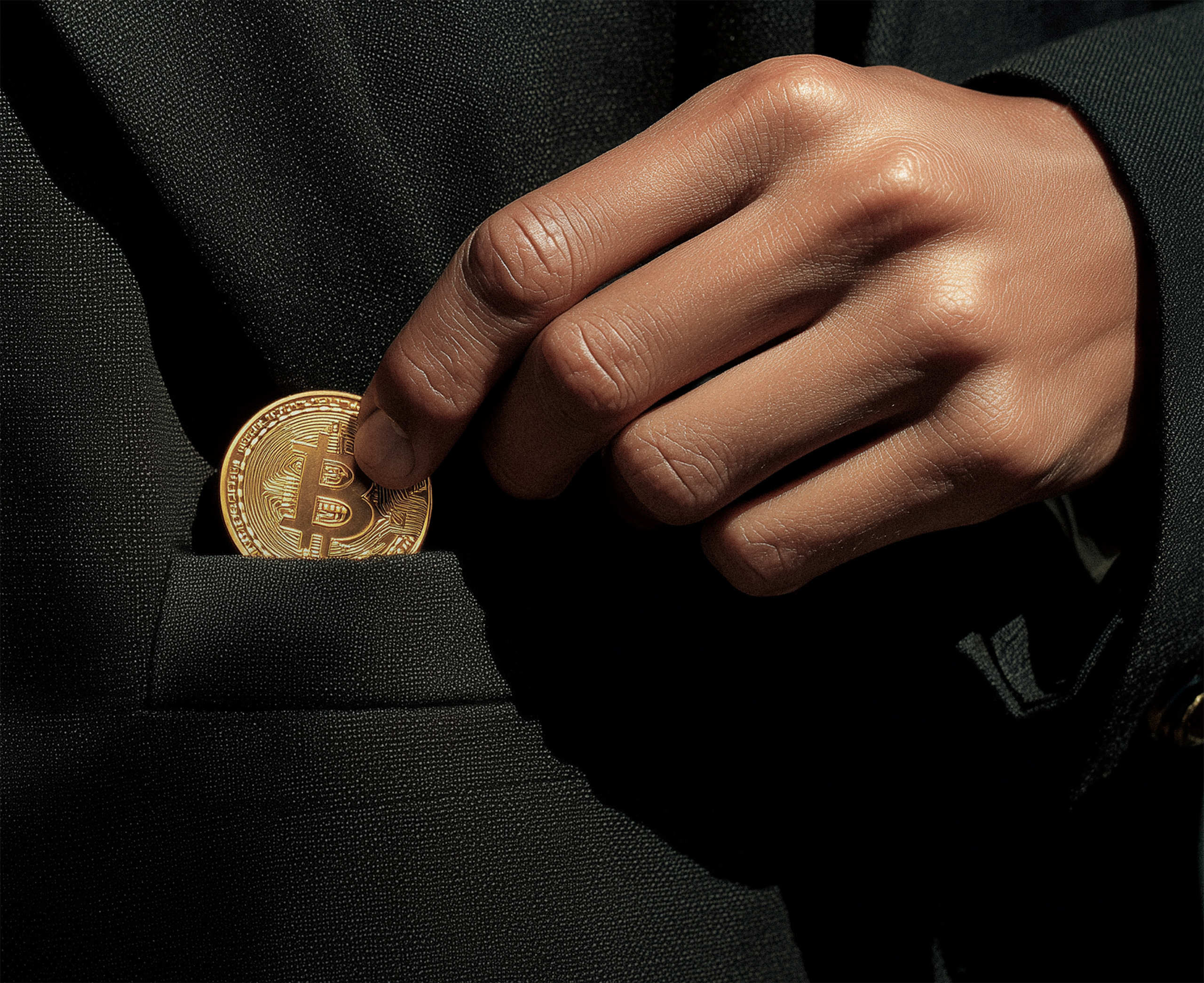
The shift in the market was most visible in gold this week. After Bitcoin, the so-called digital gold, came under pressure, gold itself has now followed. It has lost more than 26% of its value since its early March highs.
The main reason lies in changing expectations for US monetary policy. If interest rates do rise, long-term yields will become more attractive. Long-term government bonds are gold’s most direct competitor.
Both assets are seen as safe stores of value, but government bonds offer investors a clear advantage: a regular annual coupon. The higher the yield, the greater the reward for holding the bonds. Gold investors, by contrast, have to accept that the metal pays no ongoing return.
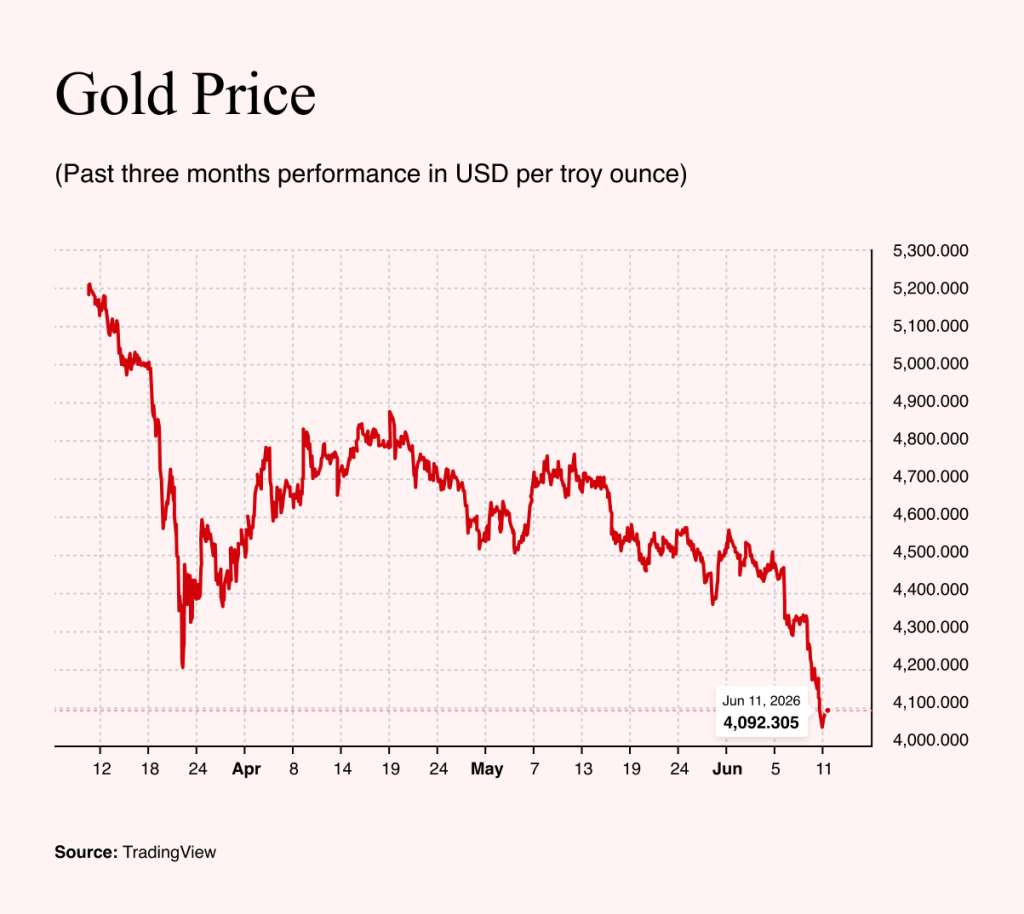
Nor has gold been helped by the deteriorating security situation in the Middle East. High oil prices have forced some countries to sell gold reserves to prop up their weakening currencies. Turkey is a prime example. Russia has also begun selling off its gold reserves.
Together, these two forces are putting strong downward pressure on the metal’s price. A falling gold price at a time of escalating global risk is only deepening the confusion and tension among investors.
The question on Friday, then, is how Wall Street will absorb this complex backdrop when SpaceX shares begin trading.
If even Elon Musk cannot sell the future as a certainty under such conditions, it will not merely be the problem of one failed IPO. It will be a clear sign that even the greatest technological magic is beginning to succumb irreversibly to the gravitational pull of expensive money.