Its sap also contains phototoxic furanocoumarins, compounds that react with sunlight to cause severe chemical burns and painful blistering on human skin. In mid-July, the Tatra National Park (TANAP) posted on social media about a hogweed removal operation, and earlier this month the Institute of Botany of the Czech Academy of Sciences, among others, called on citizens to help clear the plant, since no systematic eradication program yet exists at the national level.
Good for You, Bad for the Ecosystem
Many invasive plants share a similar history, and the Jerusalem artichoke is no exception. Native to Aztec territory in Central America, it was nonetheless classified as an invasive species in Slovakia between 2011 and 2014, when its cultivation was banned outright.
This vitamin-rich plant, valued for easing rheumatism and diabetes and for helping the body shed excess fluid, has since been legalized again in Slovakia. It is nonetheless still classed as invasive, and growers must take care to prevent it from spreading unchecked.
Jerusalem artichoke does not appear on the pan-European list of several dozen invasive animal and plant species, yet in the Czech Republic it worries managers of protected areas, where it forms dense, single-species stands the size of small forests. Wild boars happily feast on its underground tubers, but the plant still crowds out native vegetation and alters local growing conditions. Prague has accordingly added this relative of the sunflower to its national list of invasive plants, and the government now spends considerable sums trying to curb its spread.
Small Pests, Serious Threats
However, invasive plants, whether terrestrial or aquatic, herbaceous or woody, rarely alarm people. Insects are another matter, threatening not only Europe's native flora and fauna but humans too. On 22 July, the presence of the emerald ash borer, already confirmed in Hungary, was detected in Slovakia as well, where it now threatens more than 2% of forest stands.
Typical warning signs include D-shaped exit holes and a yellowing, thinning or drying crown, and any such cases must be reported promptly to the Central Agricultural Control and Testing Institute (UKSUP). The pest is believed to have reached Slovakia through the movement of goods.
Not every non-native species qualifies as invasive, however. The book Invasive and Non-Native Species in the Forests of Slovakia: Insects – Fungi – Plants, published by the Forest Research Institute in Zvolen, defines an invasion as the entry and spread of a pest in large numbers into a specific area, and an invasive species as a non-native one whose introduction or spontaneous spread threatens biological diversity.
Slovak foresters point out, though, that the EU list covers only invasive species "of Union concern", leaving out many others despite being updated almost every year.
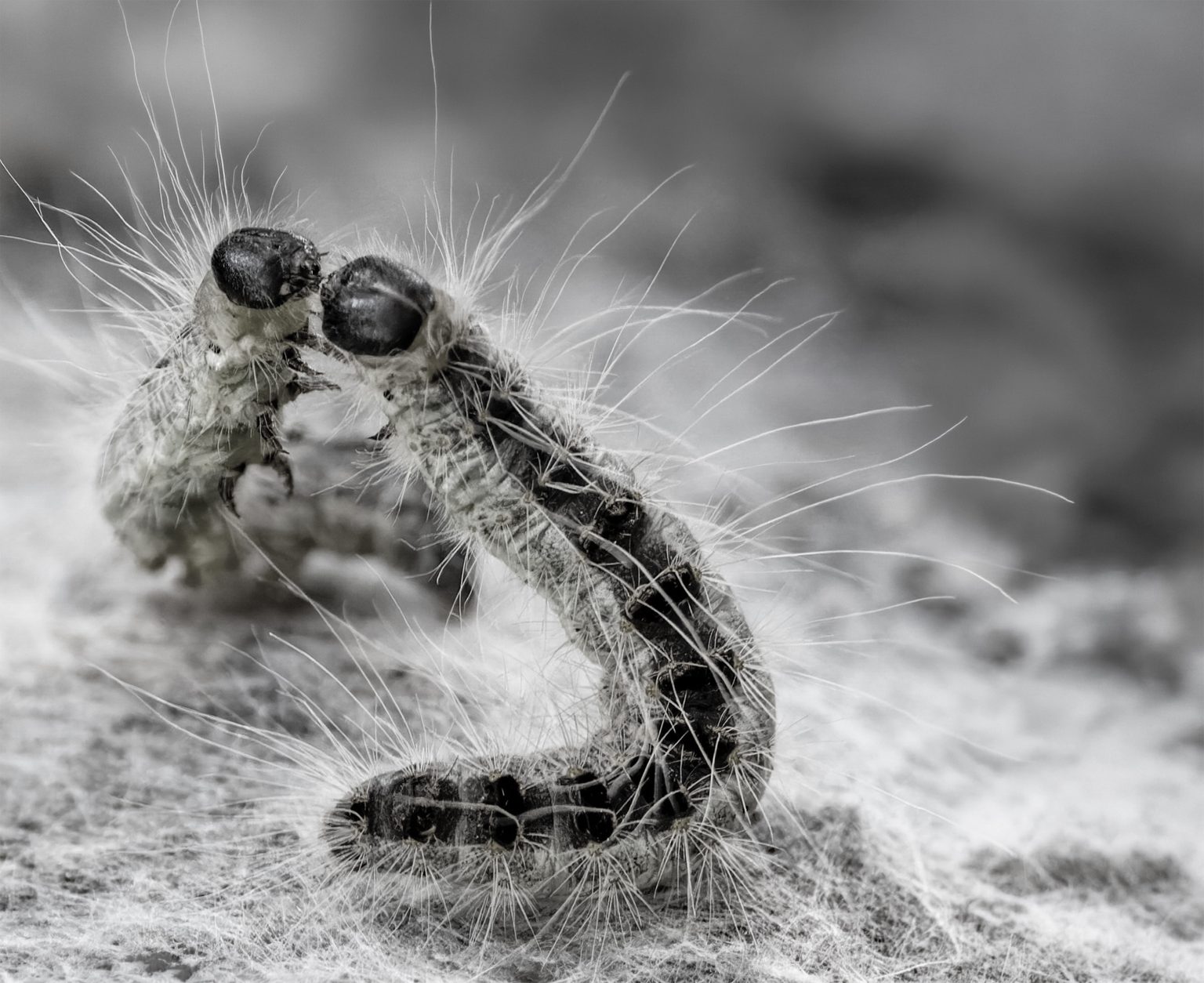
Global warming is also expanding the range of the oak processionary moth, a non-native species in Slovakia whose caterpillars, dangerous even to humans, were first reported here at the start of this century. The Forest Research Institute in Zvolen, in the 2018 book cited above, found that the moth had not permanently established itself in Poland or Slovakia. Yet since mid-July, a widespread outbreak of the so-called "larva from hell" has been confirmed across several parts of Poland, including the Lesser Poland Voivodeship on Slovakia's border, and the outbreak is serious enough that Denmark is developing a dedicated warning app and evacuating residents.
Central Europe has also seen more frequent sightings this year of ticks from the Hyalomma genus, larger than native ticks and known to actively pursue their prey. It remains unclear, though, whether these are simply stray individuals carried on the feathers of migratory birds from southern Europe and Africa, or whether rising temperatures have allowed them to begin breeding and settling permanently in the region.
As with other species, this will require active monitoring at the national level. Pan-European lists should not be relied upon; priority should instead go to the expertise of local scientists. With the ever-growing movement of goods and people, compounded by global warming, the number of non-native and invasive species will only continue to rise, leaving countries to find new ways of controlling them and limiting their toll on human health and the economy.