Driven by this trend, France has adopted the most extreme regulations. They have had a significant impact on the availability of properties on the rental or purchase market: a poor rating on this assessment will severely penalize an owner wishing to sell or rent out a property, sometimes to the point of making it impossible to do so.
The Failure of Low-Carbon Architectural Dogma
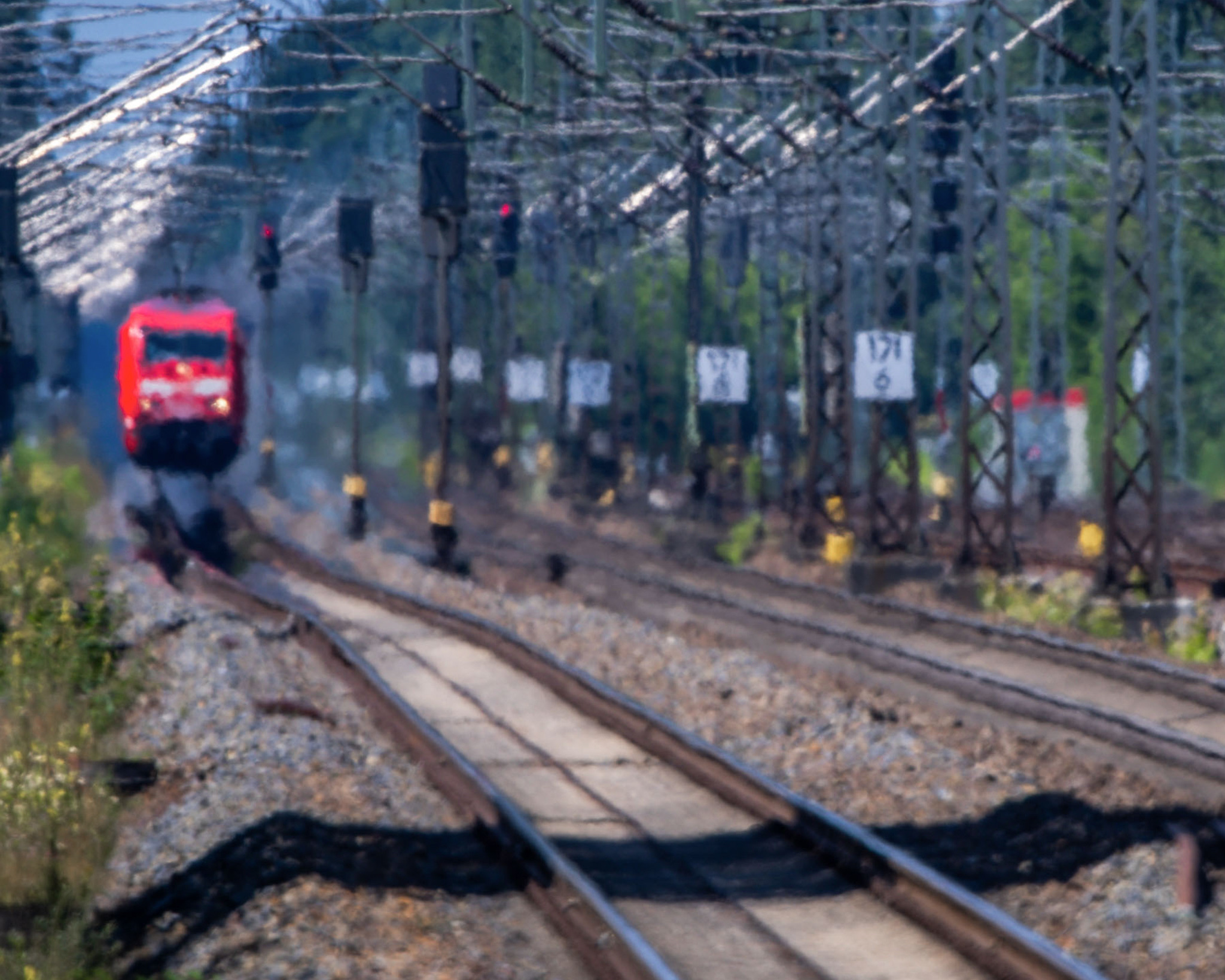
But this one-sided obsession – driven by a narrow interpretation of the facts, namely combating global warming by limiting greenhouse gas emissions – has overlooked one thing: if global warming is indeed occurring, it means we will have to face increasingly frequent periods of high temperatures, and buildings insulated against the cold are not the best suited to cope with the heat. This is what is known as a thermal kettle.
The program’s guidelines are clearly stated on the official France-renov website established by the French government: “Installing insulation on the interior walls of a home helps limit heat transfer between the inside and outside.” But during a heat wave, a hellish mechanism takes hold. With limited heat transfer between the interior and exterior, the home or office turns into a thermal kettle.
The most serious issue is that, in some cases, such situations have been created from scratch, as explained by Corinne Jolly, president of Pap.fr, France’s leading real estate website for rentals and sales between private individuals. “You can have an A energy performance rating (that is, the highest rating on the energy performance certificate) and still be a thermal kettle.”
She even estimates that 30% of buildings rated A fall into this category, and that the renovations intended to improve that very energy performance rating have actually had the effect of exacerbating the problem. Insulation was created for winter comfort – and mandated by the very same people who are warning of a global rise in temperatures in the coming years.
Over-insulating homes is a disaster because a well-insulated building does not interact with the outside environment, and what was designed to be an asset in winter thus becomes a major hazard in summer.
The incompatibility between eco-friendly buildings and extreme heat is not limited to older structures. Architectural and technological innovations can turn out to be outright disasters, such as the Gina building in Nantes, which was touted during its design phase as a “showcase of bioclimatic excellence”. Inaugurated with great fanfare by the city’s Socialist mayor in 2025, it reached a temperature of 37°C during the June heat wave, with humidity exceeding 55%, making it feel like a tropical greenhouse.
According to Gina’s promotional brochure, the building was specifically intended to “draw on bioclimatic principles to reduce heating and cooling needs” and to place a “low-carbon methodology” at the heart of its design. Its clever designers did not anticipate that it would be unable to withstand extreme heat. They are now exploring the possibility of integrating an air-conditioning system, at least partially, into the building.
A few hundred meters away, the extension to the Nantes train station – inaugurated in 2020 and designed as a large glass canopy – is also turning into an unbearably hot greenhouse.
Old Buildings, Better Ideas
These architectural experiments have ended in bitter failure. Modernity aims to be innovative but, in the process, has written off certain lessons inherited from time-honored wisdom – lessons that, even today, allow us to weather scorching heat waves better than a so-called showcase of bioclimatic excellence.
The concept of insulation does not exist in traditional buildings. Air flows through the windows, and that is the point.
The open-air Roman atrium – admittedly designed for rather mild climates – had the advantage of allowing for constant air circulation, preventing overheating in summer or the damp, biting cold in winter.
In certain inland regions, adobe – which allows for the construction of walls from compressed raw earth – offers unmatched resistance to both cold and heat.
In Provence, experts say that the stone farmhouse – known as the mas – functions as “an ancestral bioclimatic system”. The mas’s exceptional thermal comfort stems from its original design. The thermal inertia of its walls – which can be as thick as 60 to 80 cm – allows it to absorb heat during the day and release it very slowly at night. Orientation is also key, with north-facing facades intentionally left windowless. In winter, this protects the house from heat loss caused by the icy wind, and in summer, it limits unwanted drafts and maintains stable indoor air pressure.
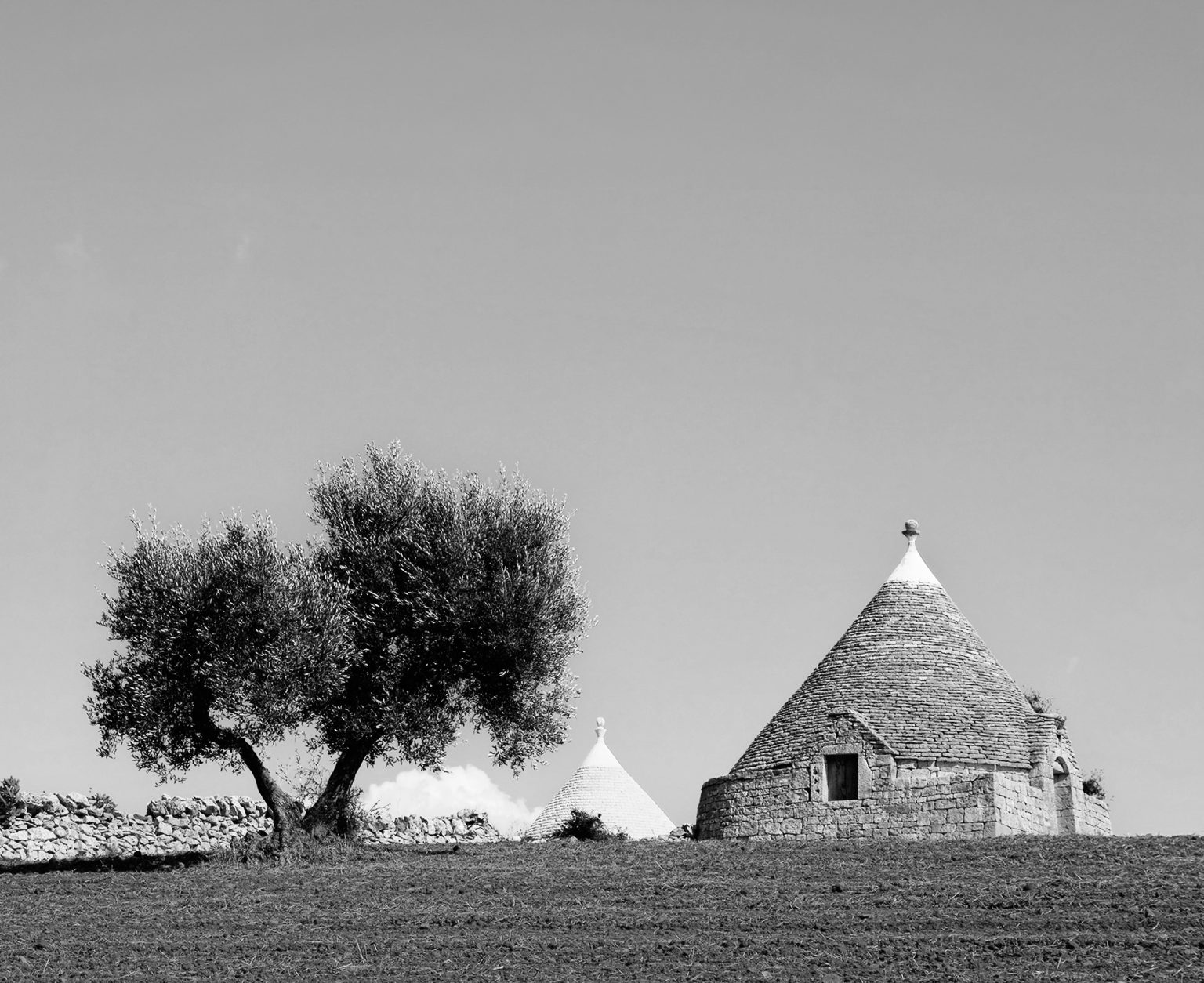
Here is another example from even further south: since the latest heat waves, trulli – traditional Apulian structures whose conical roofs made of stone slabs are a favorite among tourists and a fixture in their Instagram posts – have seen a resurgence in interest. In a well-built traditional trullo, the temperature difference between inside and outside ranges from 7 to 10°C but can reach as much as 15°C.
Built starting in the mid-14th century, they showcase remarkable craftsmanship. Their very thick walls can range from 1.5 to three meters in depth. In the summer, the limestone slowly releases the moisture accumulated during the winter, while warm air rises into the conical roof, thereby cooling the space below.
In the 1980s, during the all-concrete era, many trulli were abandoned and threatened with ruin. Today, enthusiasts and entrepreneurs are taking them on to give them a new lease on life – and to take advantage of their exceptional performance, without air conditioning. Some have even been turned into hotels or fashionable restaurants.
There is no shortage of studies explaining the mechanisms that govern buildings constructed according to the proven principles of traditional architecture. Over the centuries, each region has developed construction methods adapted to its resources and climate. These methods were abandoned in the 1960s and 1970s on the grounds that they were outdated. Concrete was considered the universal solution.
Today, we are returning to traditional methods. Each region had its own architectural ingenuity, as architect Bernard Quirot explains: “Each region has developed specific solutions based on its overall geographic context. These are, for the most part, environmentally friendly, and there is no reason to believe they are obsolete. We must build much less and, above all, demolish less.”
On the contrary, he emphasizes, it is technical solutions pursued at any cost, such as expensive exterior insulation systems, that will quickly become obsolete, using materials devoid of history and longevity and leading to what Quirot does not hesitate to call a veritable “architectural disaster”.