Britain Feels the New Border First
The EU-UK Trade and Cooperation Agreement, along with Britain’s membership of the World Trade Organization’s Agreement on Government Procurement, protects UK companies against discrimination in many public tenders.
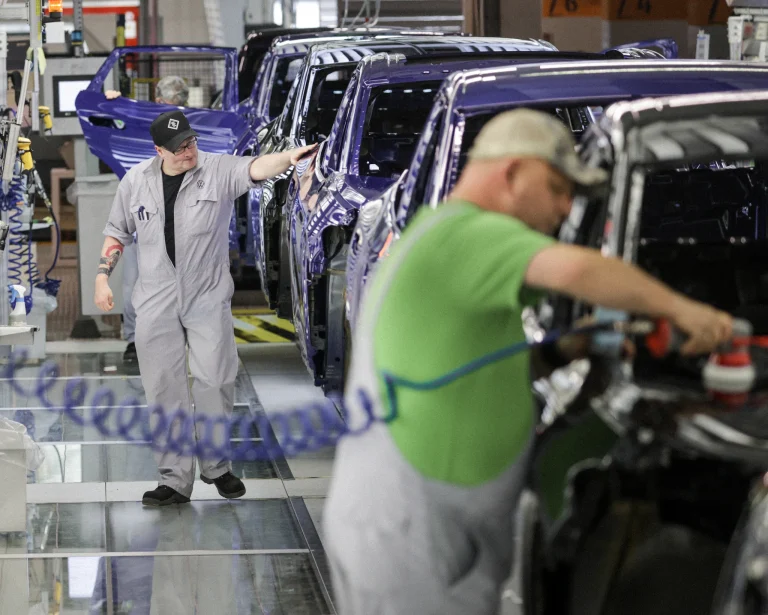
The rules for the automotive sector are more narrowly drawn. To qualify for company-car subsidies or certain incentives for small electric vehicles, cars would have to be assembled within the EU and contain a high proportion of European value added.
The British government described these requirements as “very concerning” in a parliamentary response. Around 60% of cars built in Britain are exported to the EU. Company cars, meanwhile, account for more than 60% of new-car sales in Europe.
The stakes are especially high for Nissan’s Sunderland plant. Some 6,000 people work there directly and tens of thousands more jobs depend on its supply chain. Nissan has warned of serious consequences if its British-built electric vehicles are excluded from European incentives.
France, Germany and the Netherlands now support including Britain. The question of a car’s origin has already become a political point of contention among member states. No final rules have yet been agreed.
Where Does the Single Market End?
Switzerland is more deeply integrated into the EU economy than its status as a third country might suggest. In 2025, 51% of its exports went to the Union, while 72% of its imports came from the bloc. More than half of Swiss exports to the EU are used as inputs for further production within the Union.
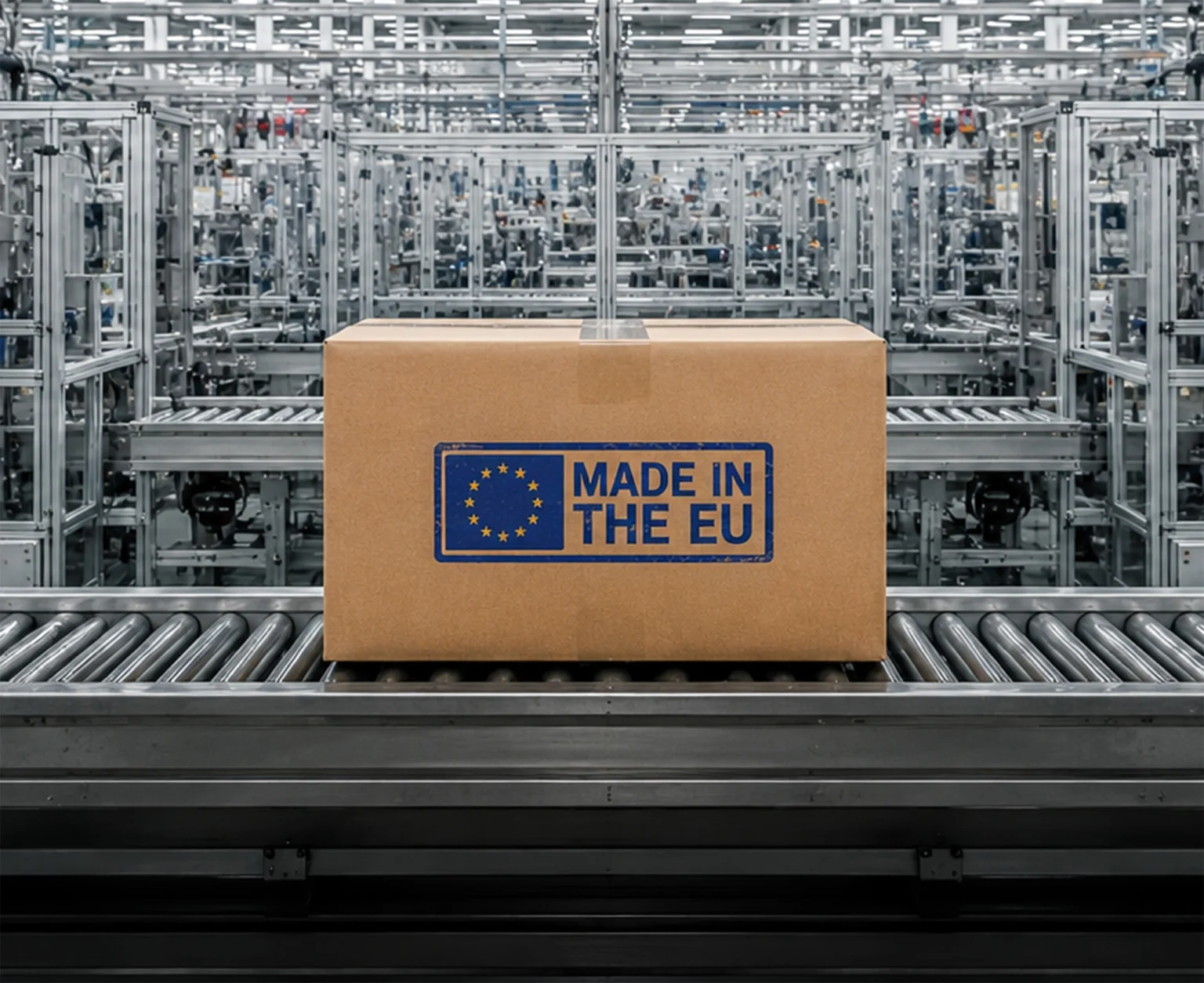
Bern is therefore calling for the entire value chains across the continent to be taken into account when defining “Made in EU”. Otherwise, Swiss suppliers could be disadvantaged even though their products go directly into factories in EU member states.
Norway’s position appears more secure at first glance. The country is part of the single market through the European Economic Area, adopts large parts of EU law and contributes financially to European programs. Yet for the purposes of EU trade policy, Oslo can still be treated as a third country.
This became clear in late 2025 in the case of ferroalloys, which are used, among other things, in steel production. The EU included Norway and Iceland in its safeguard measures. Oslo objected, arguing that such trade restrictions were incompatible with participation in the single market.
For these countries, the political trade-off of staying outside the EU has until now been straightforward: no vote in Brussels, but largely secure access to the European market. Each new origin clause makes that bargain less certain. What once amounted to institutional distance can become a direct disadvantage for factories, jobs and investment.