Brussels Draws a Line
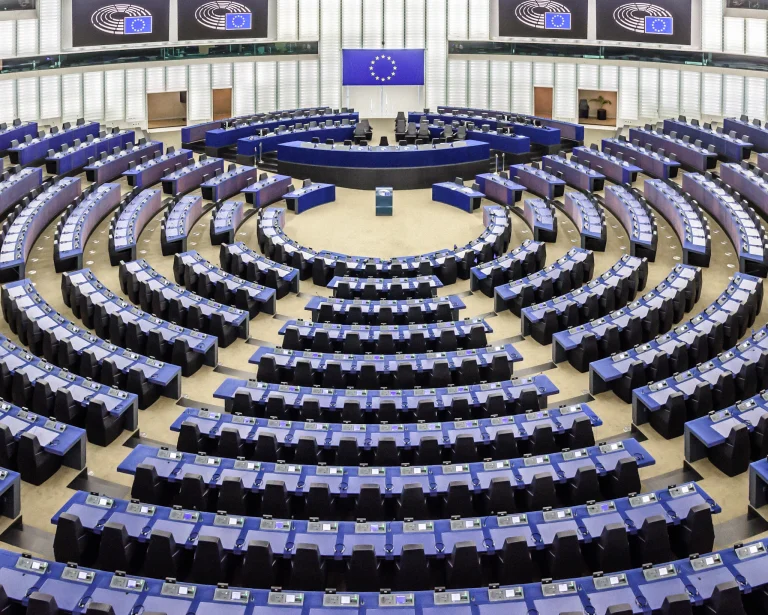
The use of antibiotics is regarded as a major health issue at EU level. According to EU regulations, the use of antimicrobials – a broader category that includes antibiotics, antivirals, antifungals and antiprotozoals – in livestock farming for the purpose of promoting growth or increasing yields is prohibited.
Animals may not be treated with antimicrobials intended solely for human infections. The goal is to combat antimicrobial resistance by avoiding the unnecessary use of antimicrobial treatments – a response to the surge in drug-resistant infections in recent years.
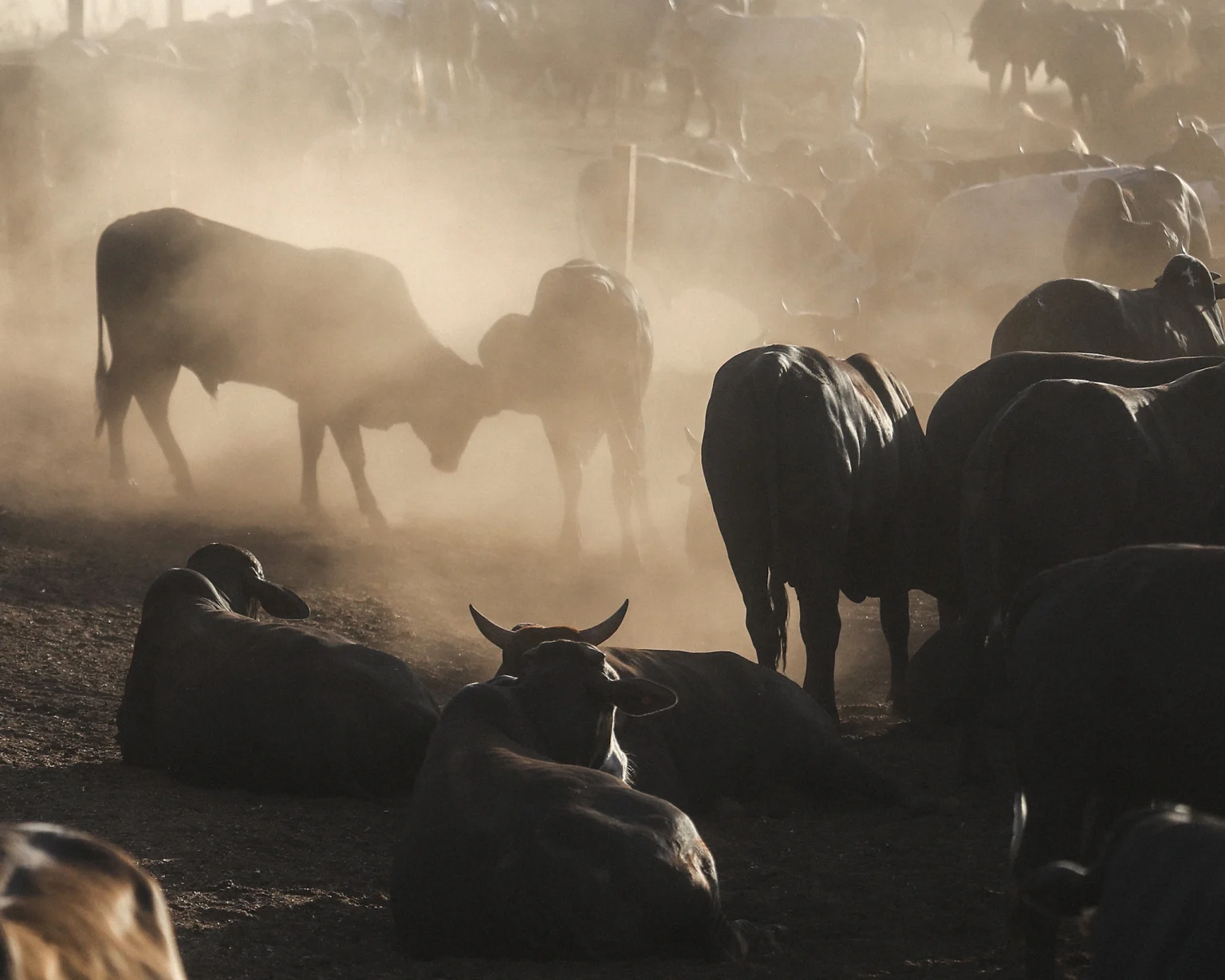
The worst fears of opponents of the agreement with Mercosur signed in 2026 – which covers imports from Brazil as well as Argentina, Uruguay and Paraguay – have thus been confirmed. Following a 2024 EU audit, Brazil suspended exports to the EU of beef from female cattle after inspectors found that the country could not provide sufficient guarantees that animals destined for the EU market had not been treated with estradiol 17β for therapeutic or zootechnical purposes.
On the European side, the Union’s firm stance is being welcomed. In France, livestock farmers are delighted by what they see as the implementation of a long-sought reciprocal measure: from Thursday 3 September, the European ban on antimicrobials used as growth promoters will finally apply to imported products, just as it already applies to European producers.
Agricultural organizations emphasize, however, that this provision should have been a prerequisite for signing the agreement: the EU should never have opened its market while the issue of certain partners’ actual compliance with health standards remained unresolved.
In Spain, the organization Unión de Uniones de Agricultores y Ganaderos has called the European Commission “irresponsible”, arguing that it launched the provisional application of the Mercosur agreement even though doubts already existed about Brazil’s ability to meet certain European standards. It says the current suspension directly calls into question the promise of “reciprocity” in standards and fair competition.
In Italy, Confagricoltura points out that it had itself warned of the considerable differences between Brazilian and European production rules, particularly regarding antimicrobials and growth hormones.
The suspension now provides opponents of Mercosur with a concrete – rather than merely theoretical – case. In France, the Rassemblement National (RN) had already denounced the European safeguard clause in February as incapable of correcting “asymmetries in standards” regarding health, the environment and animal welfare.
Brazil Pushes Back
In Brazil, the narrative is radically different. The honey sector, in particular, claims that the decision has no technical justification. As early as May, the president of the Brazilian Honey Exporters Association described it as potentially “political”, linking it to European farmers’ opposition to Mercosur.
Among cattle ranchers, rhetoric is even more confrontational. The issue is viewed as obviously political: since European production costs are much higher, European ranchers cannot compete with low-cost Brazilian beef, and Europe is using health standards to its advantage.
It is undeniable that the suspension could set a political precedent. Brussels presents the decision as a health-related and technical measure rather than a challenge to the Mercosur agreement. The Commission emphasizes that Brazil will be able to rejoin the list of authorized countries as soon as it demonstrates compliance.
However, European agricultural organizations can now turn the argument against the Commission: if European standards are important enough to justify a suspension, why was the trade agreement implemented before compliance with them was guaranteed? This episode must pave the way for a series of so-called mirror measures, designed for the long term – before consumers and farmers pay the high price of an irresponsible policy.