Why Elon Musk's X Is Suing the Irish Media Regulator
Elon Musk’s X has launched six new High Court actions against Coimisiún na Meán, bringing the total number of actions it has taken out against the Irish media regulator to 13.
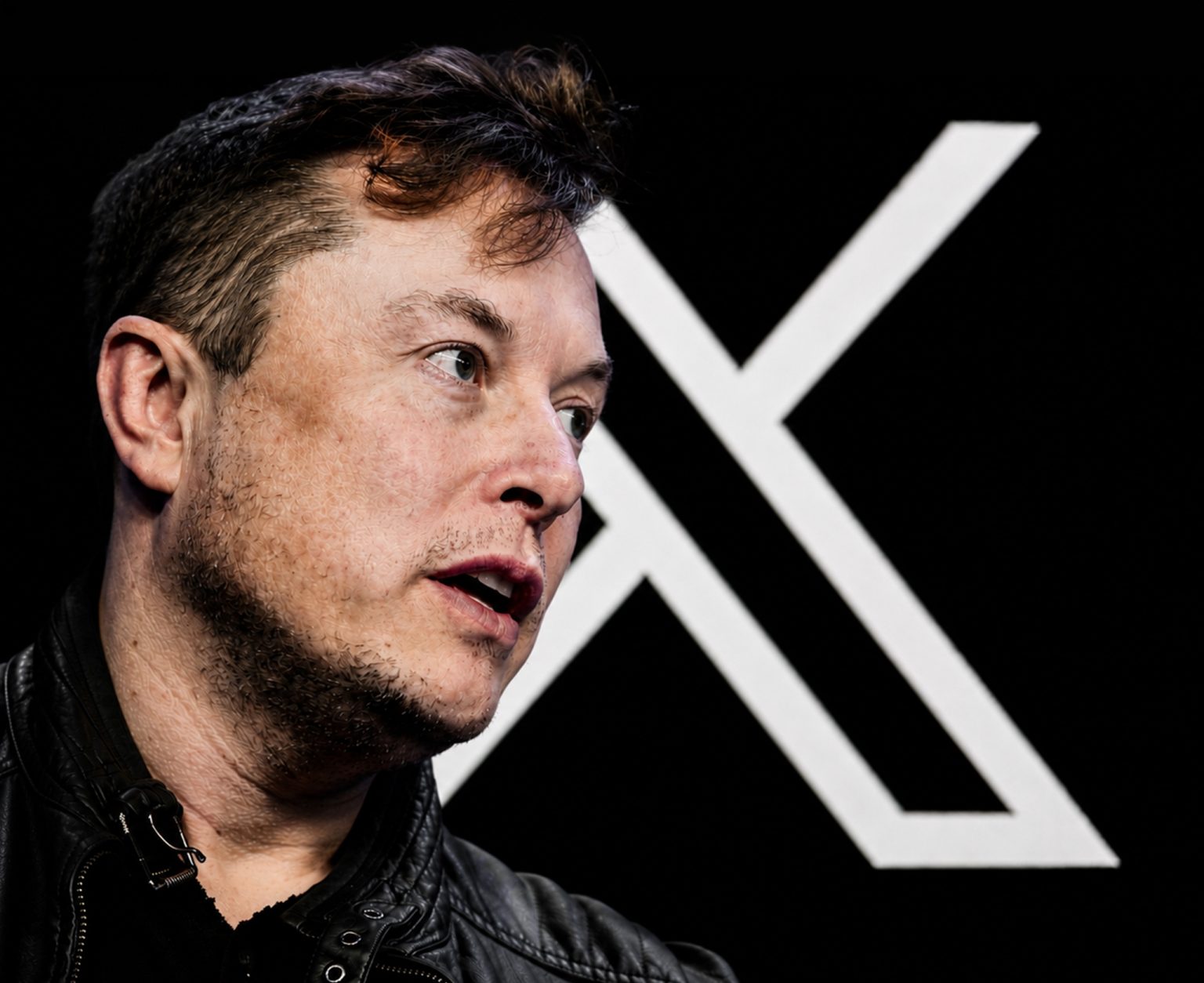
X’s owner Elon Musk has often been critical of regulations he sees as unfairly restricting free speech on social media. Photo: Emin Sansar/Anadolu Agency via Getty Images
|
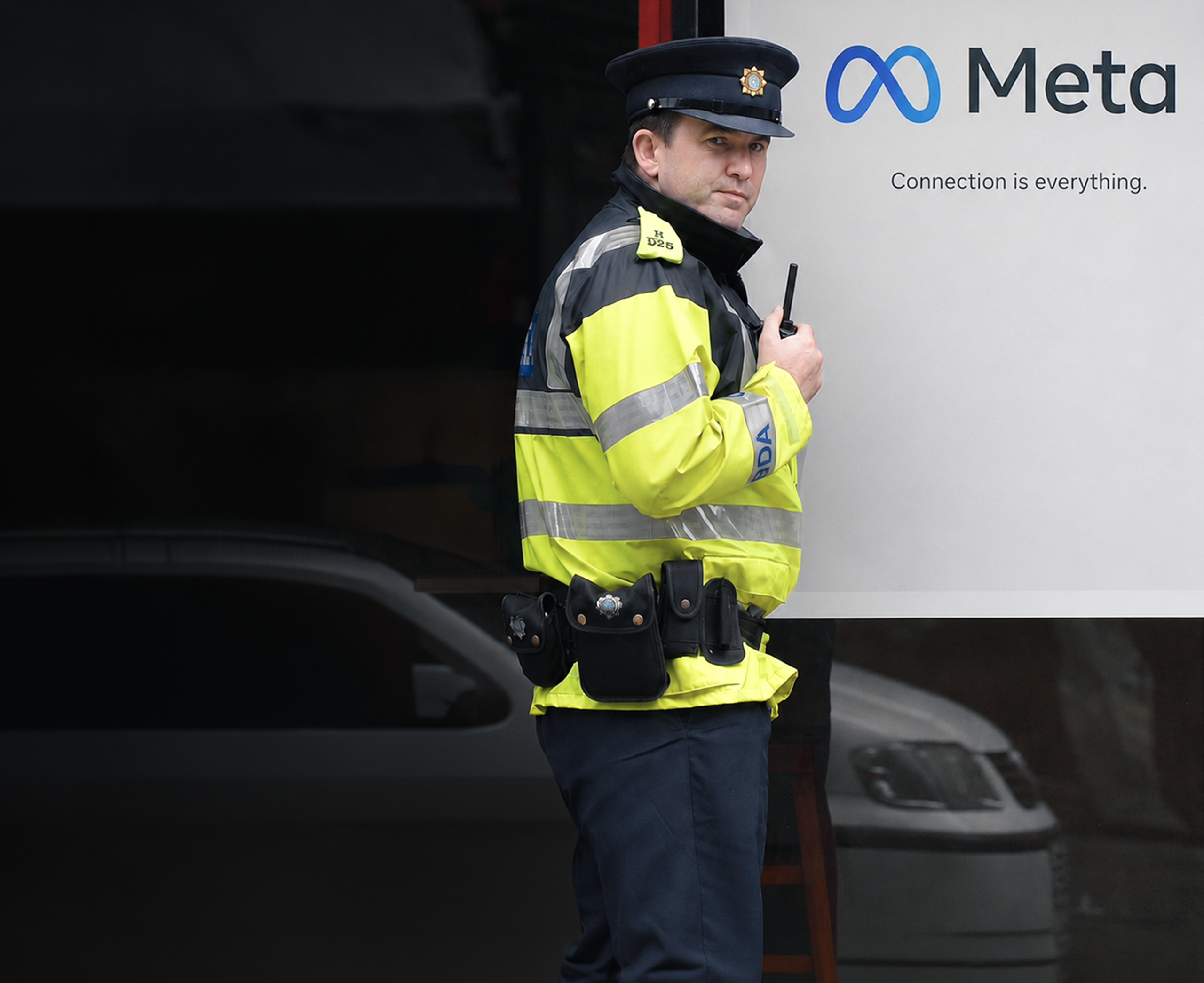
Coimisiún na Meán and X remain locked in an adversarial relationship after Elon Musk’s social media company launched six new High Court actions against the Irish body last week. This brings the total number of actions X has taken out against the Irish media regulator over its implementation of Europe’s digital media regulations to 13.
Most of the new legal challenges relate to decisions made by Coimisiún na Meán regarding complaints against X, the details of which are not publicly known.
The Irish Independent reports that one of the actions concerns the media regulator’s certification of a body intended to help members of the public contest content moderation decisions made by online platforms.
In May, the regulator certified Impress Dispute Resolutions (IDR) as an out-of-court dispute settlement (ODS) body for five years, with its work to begin in August.
However, X is now asking the High Court to examine the designation of the company and whether correct procedures were followed. If the case goes to a full hearing, it is possible the court could examine the background to IDR, including its expertise and experience.
X Versus Coimisiún na Meán
Elon Musk’s social media company and the Irish regulator have locked horns previously over an investigation into its operations launched last year under the terms of the Digital Services Act (DSA).
As X’s European headquarters are located in Ireland, Coimisiún na Meán plays an important role in enforcing the European Union’s digital media regulations. As a result, although it is a local body, the actions of the Irish regulator have international significance.
In November 2025, Coimisiún na Meán said it was going to probe whether X had breached Article 20 of the DSA, relating to internal complaint-handling systems. The media commission wanted to assess whether people are able to appeal X’s decisions not to remove content.
Both Musk and the parent company X Holdings Corp applied to the High Court to have the investigation stopped. If the Irish regulator finds a company to be in breach of the DSA, it can impose a fine of up to 6% of the company’s annual worldwide turnover.
The Latest Faultline
The most recent collision between X and the Irish media commission relates to the latter’s certification of an ODS body, IDR. Article 21 of the DSA entitles recipients of a service to select such bodies to resolve complaints relating to online platforms’ decisions without having to go to court.
According to IDR, this includes disputes relating to hate speech, disinformation, sharing of non-consensual images, nude deepfakes, content that has “negative impacts on civic discourse or elections” and acts of violence.
The Irish media regulator said it awarded IDR accreditation based on its assessment of the ODS’s finances, knowledge and expertise in dispute resolution, media law and regulation.
Neither Elon Musk nor X has explained why the company asked the High Court to examine the designation of IDR, and it remains to be seen whether the court will hear the action.
Elon Musk has frequently taken to his social media platform to defend the right to free speech against what he argues are efforts to introduce laws that would censor free expression on social media.
However, X’s challenge could bring IDR’s experience, independence and approach to regulation under judicial scrutiny.
A Transnational Media Regulator
IDR is a Dublin-based subsidiary of British-based independent press regulator Impress, which regulates a network of independent publishers in the United Kingdom with the aim of “setting ethical standards” for news publishers, holding them accountable and offering the public redress when “standards slip”.
Its accreditation marks an expansion of the private company’s services and its first foray into the world of social media after a decade in press regulation, as part of the company’s diversification strategy.
At the end of Impress's annual report for 2024–25, titled Democracy at a Crossroads, the company sets out its funding model and plans to expand its funding base through three revenue-generating initiatives, including “international expansion”.
Impress states that it sees leveraging its Irish subsidiary, IDR, to provide cross-border dispute resolution services as a means of both addressing what it calls the “transnational regulation gap” and generating fees from organizations seeking “ethical accountability mechanisms” outside the UK.
In her closing note of the report, Impress CEO Lexie Kirkconnell-Kawana states that developing a sustainable model for charities promoting human rights and democracy remains “an uphill endeavour with plenty of potential pitfalls”.
Impress Warns of a “Global Fascist Movement”
Kirkconnell-Kawana also warned in her note that few governments and large corporations are acting with urgency to resolve challenges to “information integrity” posed by artificial intelligence and social media. She argued that institutional trust is a “fatality of this disconnect”.
Kirkconnell-Kawana added that regional initiatives to tackle the issue remain sparse, unlike the “global fascist movement”, which she claims operates with coordination and “substantial financing to sow disinformation and hateful narratives, interfere in elections and fracture our communities”.
As the company seeks to expand, Impress’s new chair Caron Bradshaw OBE said she will be exploring the role it can play in wider social justice narratives, highlighting the “toxic impact of the manosphere” as an area where it can have a positive impact.
Its annual report notes three areas of concern for Impress, including how a lack of transnational media regulation is “enabling authoritarianism globally”. Impress argues there is a “very small window” to act in defense of democracy through global cooperation.
As online platforms “increasingly control” the content billions of users see, it says independent oversight of content moderation decisions is “ever more critical”. Impress highlights platforms allowing “harmful content and hate speech” as an area where ODS bodies can help the public hold platforms accountable.
Free-Speech Concerns
The goals of the UK-based media regulator echo the sentiments of many politicians and public officials within Europe, who have increasingly expressed their desire to exercise greater control over what social media users are allowed to say.
For instance, in the UK, police have repeatedly courted controversy for their investigations into online comments expressing conservative views on contentious public debates, while in April German Chancellor Friedrich Merz said that he found it “regrettable” that “on social networks, anyone can say what they think”.
Meanwhile, several European countries are proposing laws that would ban access to social media for young people, raising the prospect of the introduction of digital IDs and further government control over the internet.
While Impress argues for the need for independent monitors of social media platforms, critics such as Elon Musk fear that heavy-handed regulation will result in restrictions on the right to free speech and privacy on the internet.
As a result, the adversarial relationship between Musk and the Irish media regulator is unlikely to end soon, as the latest round of court actions demonstrates.
Welcome to the comments section of the Štandard daily. Please take note of our guidelines, comments are moderated by us. You can contact the moderators at support@statement.com.
Participate in the discussion
Comments are available to subscribers only. If you'd like to join the discussion, choose a subscription starting at €6.72 per month.
All comments 0
Register
Comments are available to registered users only. If you'd like to join the discussion, register here.