Europe Is Struggling to Compete
As a result, the gap between spot gas prices in the EU and the US is widening dramatically. Gas for delivery one month ahead now costs up to 8.5 times as much in the EU as in the United States.
This puts EU industry at a severe competitive disadvantage globally, since electricity prices – with a significant share of EU power generated from gas – are also influenced by the cost of gas.
High electricity prices could further weaken the EU’s development of artificial intelligence, causing it to fall even further behind the US and Asia. The EU is gambling with the fate of future generations. So why are its member states once again paying such a heavy price for global events?
The Last Cubic Meter Is the Deciding Factor
The price is not determined by the average cubic meter of gas, but by the very last one needed to balance supply and demand.
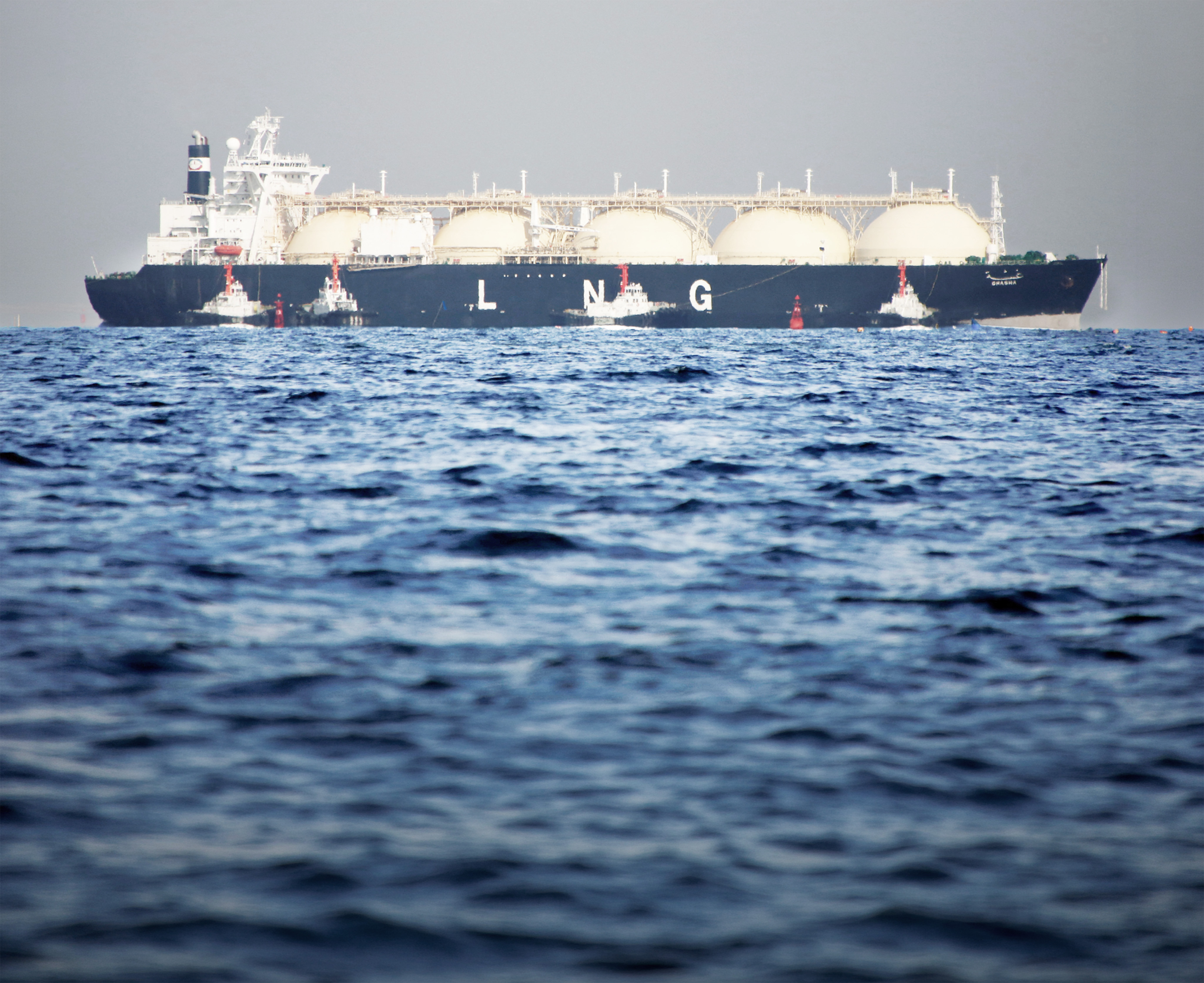
Imagine the EU as a customer that needs 100 units of gas. It obtains a large share by pipeline from Norway, another portion from Algeria and Azerbaijan, some from storage facilities and a significant share through LNG imports from the US and other countries.
Let us say it manages to secure 97 units this way. That leaves the final three. But it is those three units that determine the price of gas. Europe must purchase them on the global LNG market, where it competes with Japan, South Korea, China, India and other Asian buyers for the same tankers. If Asia is willing to pay the equivalent of €60 ($70) per megawatt-hour for the last available shipment, Europe will not get it for €40 ($47). The tanker will simply head wherever buyers are prepared to pay more – in this case, Asia.
The European gas price must therefore rise enough for one of two things to happen: either a higher exchange-traded gas price – which sets the benchmark for the entire EU – attracts the necessary LNG tanker away from Asia, or the higher price forces some European buyers to curb their consumption through what is known as demand destruction.
In extreme cases, this could mean an industrial plant relocating to another continent or closing altogether. Only then will supply and demand balance again.
The price of hundreds of billions of cubic meters of European gas can therefore be significantly influenced by just a few tankers. In economic terms, this is known as marginal supply.
This may seem counterintuitive, but it is true. A few tankers that the EU must secure by outbidding Asia can ultimately determine the price of Norwegian pipeline gas in the EU, even though that gas is relatively inexpensive.
How Is This Possible?
When a Norwegian supplier sees how much the EU is willing to pay to outbid Asian buyers, why would it continue selling its gas at a much lower price? First, it is not in the business of charity. Second, and more importantly, even if it did, traders would quickly emerge to resell the cheap Norwegian gas at a price close to what the EU is paying for competing supplies.
Economists call this arbitrage: the prices of gas from different sources converge toward the market price, even if their production costs are completely different. Although the Norwegians produce gas cheaply, their gas ultimately sells at the exchange price, which is driven higher by the EU’s tug-of-war with Asia – even if that contest ultimately comes down to just a few tankers.
This is very similar to the way the European electricity market works, as the 2022 energy crisis demonstrated. At any given moment, most electricity may be generated by relatively cheap nuclear, hydroelectric or renewable sources. However, if an expensive gas-fired power plant is needed to cover the final unit of demand, it is precisely that plant – the so-called marginal source – that can determine the market price.
In the EU gas market, the last LNG tanker now plays that marginal role.
This marginal supply is where the Strait of Hormuz becomes important. For the EU, its direct significance is relatively small – just 3%, as we have already seen. For the global LNG market, however, the strait is of considerable importance.
Before the war with Iran, approximately 19% of global LNG trade passed through the Strait of Hormuz. Nearly all Qatari LNG and virtually all LNG from the United Arab Emirates must travel this route. Approximately 90% of these shipments were headed for Asia.
If the Strait of Hormuz is cut off, the EU’s main problem is not that it will lose the roughly 3% of its consumption that comes from Qatar. The far greater problem is that Asia will lose a massive volume of Qatari LNG. China, India, Japan and South Korea would then have to replace it. And what happens when they seek replacement supplies on the same global market where the EU buys its gas?
Asian buyers will then start paying a premium for American, African and other LNG that under normal circumstances could have been shipped to the EU. European prices will therefore have to rise to keep the tankers coming.
That is why the fact that nearly one-fifth of the world’s LNG passes through the Strait of Hormuz is far more important than the fact that gas from this route covers only a few percent of the EU’s consumption.
The US Benefits from Not Importing Gas Through Hormuz
But why, then, are gas prices in the United States not rising in the same way? Because the US is on the opposite side of the market. And it receives no gas at all through the Strait of Hormuz.
On paper, the difference appears remarkably small: roughly 3% of EU gas consumption comes through the Strait of Hormuz, compared with none in the US. Yet the market effects are entirely different. Since the closure of the strait, the increase in EU gas prices has exceeded that in the US by nearly 130 percentage points.
Unlike the EU, the United States is not a major importer of LNG, but a massive producer and exporter. It has sufficient domestic production, and its domestic market is not directly dependent on whether a tanker from Qatar reaches Asia.
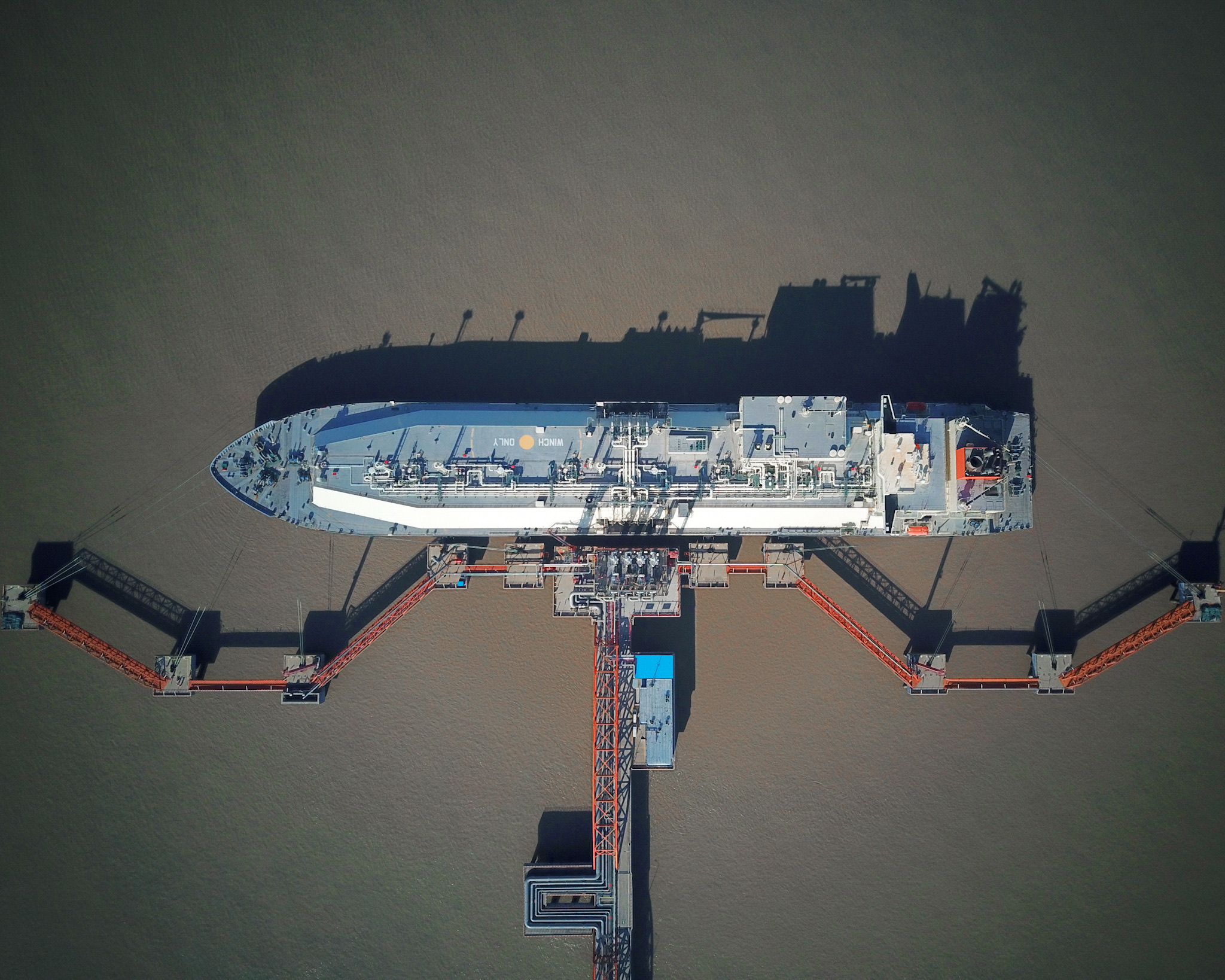
Furthermore, US gas cannot flow unrestrictedly into the more expensive European market. For a US producer to sell gas in Europe, it must first transport it to the coast, liquefy it at an LNG terminal, load it onto a tanker and ship it across the Atlantic. The capacity of liquefaction terminals, however, is limited.
What Europe Underestimated
Europe is an importer that needs the global LNG market to fill the final gap in its consumption. It must therefore compete with Asia for the last tanker.
Europe has generally underestimated the consequences of losing Russian pipeline gas and of its reluctance to increase domestic production – whether for environmental reasons or to meet Green Deal commitments.
This makes the Union increasingly – even critically – dependent on a few LNG tankers from overseas. As marginal supplies, they ultimately drive up the price even of otherwise cheap Norwegian gas, as we are now witnessing in real time.
If, for example, the EU produced more gas on its own territory, it might not even have to compete with Asia for those tankers, and the impact of the US-Iran war on EU gas prices would be practically zero – just as it is in the United States.
Brussels' failure to understand how the gas market works – or, more specifically, the impact of marginal supplies – has contributed significantly to the loss of EU industrial competitiveness.
Volkswagen’s current problems provide a striking example. According to an analysis published this week by US bank Citi, the automaker has virtually no choice but to close several of its plants in Germany. The key reason for the struggles of the EU automotive industry – not just Volkswagen – is the high cost of energy, particularly natural gas, which is significantly more expensive than elsewhere in the world.
So what is the fundamental lesson from the current gas panic in the EU that politicians in Brussels, above all, should take to heart? The price is not determined by the source from which most of the gas comes. It is determined by the source without which there would not be enough gas.
Originally published on the author's personal website lukaskovanda.cz.