Can Reform UK Send the Royal Navy Back to the Channel?
Reform UK wants the Royal Navy to intercept and return small boats crossing the Channel. Can Operation Fortress succeed where previous plans failed?
Reform UK leader Nigel Farage poses with a digital poster van displaying 'Europe is at breaking point' after a press conference, outside the Horseguards Hotel. Photo: Phil Lewis/SOPA Images/LightRocket via Getty Images
|
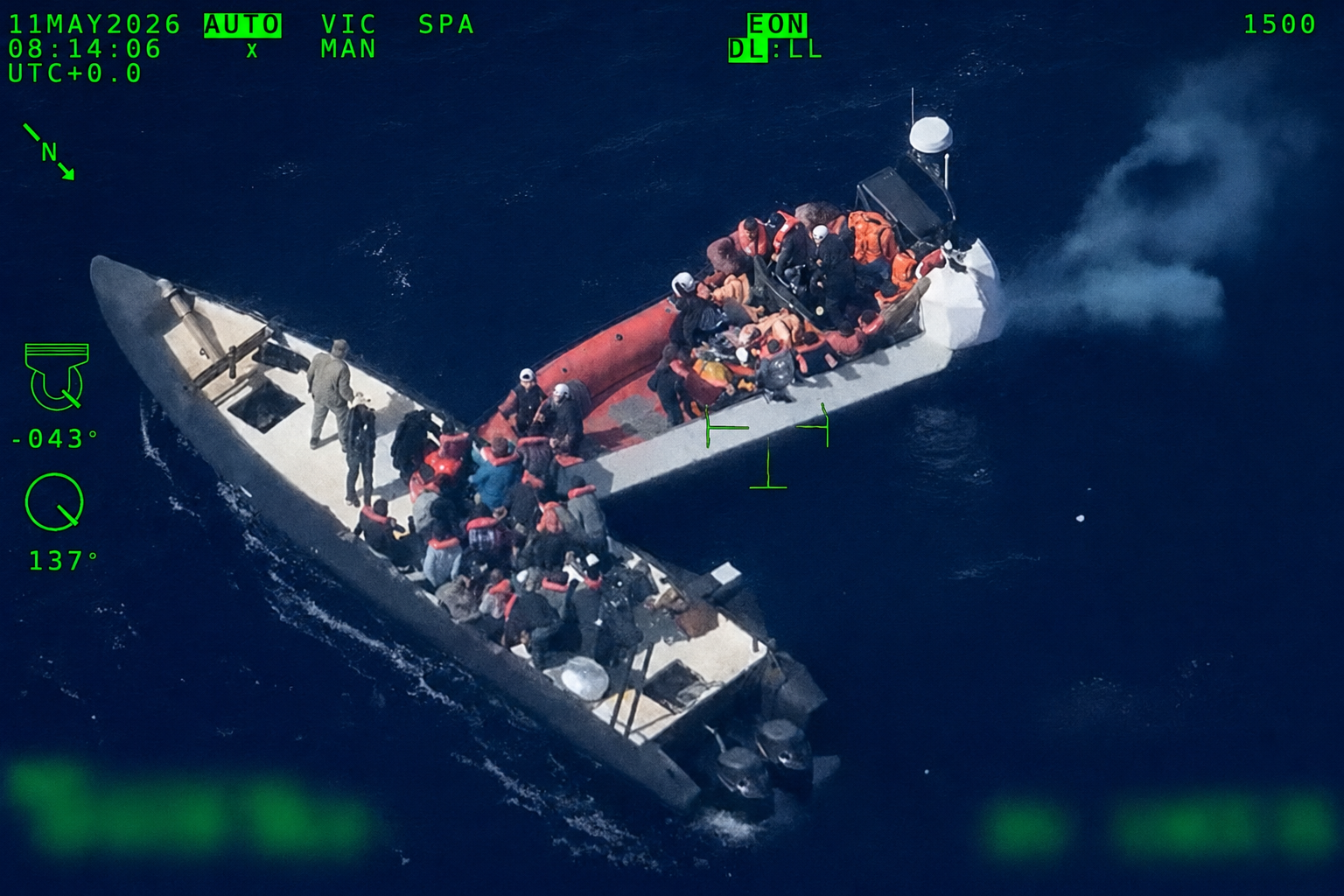
So long as there has been a Royal Navy, its mission has been to control the waters around Britain. World-famous heroes like Horatio Nelson, Sir Francis Drake and Thomas Cochrane have been celebrated for their valor in doing so. As an island nation, Britain has always enjoyed the natural defense of the English Channel, which separates it from Europe. Yet since 2018, over 200,000 illegal immigrants have violated that barrier, without the Royal Navy doing anything.
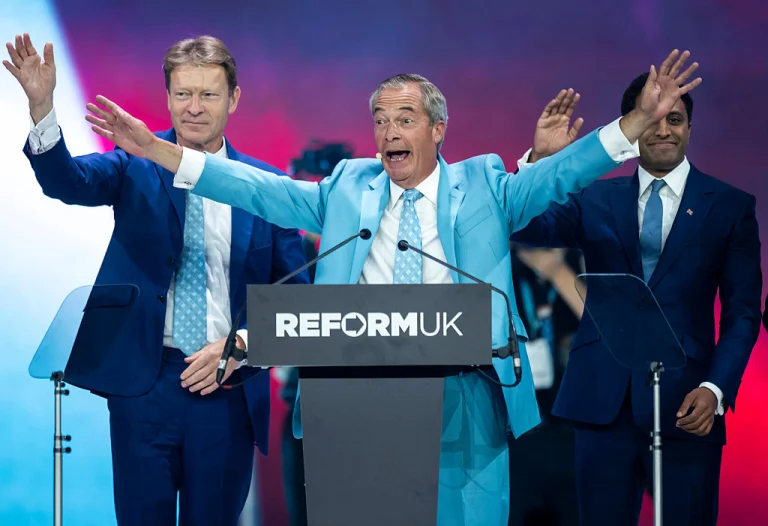
Now that is set to change if Reform UK get their way. This week they unveiled Operation Fortress, their new plan to use the Royal Navy to stop the flow of small boats, whose occupants their Shadow Home Secretary, Zia Yusuf, called “invaders”. They argue that among those coming on the small boats have been murderers, rapists and, allegedly, Iranian intelligence operatives. If current trends persist, then by the end of this parliament, another 100,000 will have arrived.
Reform describe Operation Fortress as an “end-to-end rescue and return mission” led by the Royal Navy. Small boats would be intercepted in the Channel; those on board would be removed from the vessels, given whatever treatment was needed and then immediately returned.
Although focused on the need to protect the United Kingdom, Reform’s plan acknowledges that over 160 migrants have died on small boat crossings and argues that the only way to stop the crossings and save more lives in future “is to make them pointless”.
To achieve this, they would create a unified command structure that would bring together the Royal Navy, Border Force, HM Coastguard and the Home Office. Together they would build new surveillance capabilities which would enable them to spot every launch from the beaches of France and Belgium, allowing them to intercept the small boats as they entered British waters.
Reform cite the example of Australia’s Operation Sovereign Borders, when the Australian Navy intercepted illegal immigrant vessels at sea and transported those on board to a processing center in third-party territory. Combined with legislation barring illegal arrivals from settling in Australia, it reduced the number of illegal attempts to access Australia by sea to nil. Reform point out that the Royal Navy has similar experience of board and search operations in Northern Ireland and the Horn of Africa.
Reform's plan has been attacked from both the right and left of British politics. The Conservative Shadow Home Secretary Chris Philp said the plans were “written on the back of a fag packet”, doubting whether they were credible, especially as Reform has not announced how they would pay for the military forces needed to carry out the operation. In contrast, he said the Conservatives would bring small boat migrants to shore but then deport them to their countries of origin or to a safe third country like Rwanda.
The Labour government instead claimed that the launch of Operation Fortress was intended to act as a distraction from ongoing claims about Reform's leader Nigel Farage having received donations without properly declaring them, calling it a “desperate bid to distract from sleaze scandals”. They argued that their own efforts had already achieved results, saying they had stopped 46,000 crossings and removed 70,000 people with no right to be in the country.
Although the number of small boat migrants has decreased in the last year, the numbers coming remain high. Similarly, although the number of deportations has increased, those have largely been to countries like Brazil and Albania. Fewer than 5% of small boat migrants have been removed so far.
The last Conservative government did try to use the Royal Navy to stop small boat crossings. In 2020 they launched Operation Isotope to look at the practicality of getting the Royal Navy to do pushbacks. However, the Navy refused to do so.
That does not necessarily reflect disobedience but rather legitimate fears that to do so under current human rights legislation would be illegal. As Reform have already committed to leaving the European Convention on Human Rights and repealing the Human Rights Act, that would not be a barrier if they were in government.
Independent critics like Andrew Fox have argued that the main flaw in the plan is the response of the French authorities. If British naval vessels entered French waters in order to return illegal migrants, then the French diplomatic response would likely be harsh. It could include suspension of the Le Touquet treaty, which helped to reduce the number of illegal immigrants coming through the Channel Tunnel and on lorries. A suspension would also impact border control, leading to long delays for holidaymakers who wanted to enter France.
Reform have pointed out that France is currently failing its obligations. Asylum seekers on its territory should be processed there. Similarly, the French authorities should be preventing illegal activity in their territorial waters in the Channel. The 2018 Sandhurst Treaty, the 2019 Joint Action Plan on Small Boat Crossings, the 2021 UK-France Security Accord, the 2023 UK-France Joint Leaders’ Declaration and the 2026 UK-France Border Security Partnership have all involved British funding for French border security without an end to the small boats.
Recently Conservative Shadow Home Secretary Chris Philp visited the beaches of northern France, where he witnessed illegal immigrants putting out to sea without the French authorities acting, NGOs operating to support the illegal immigrants without facing any consequences and French gendarmes discussing openly how they do not act. His video has raised doubts about the effectiveness of the French.
At the same time, without the French it is unlikely that it will be possible to stop the small boats entirely. Reform might be relying on the possibility of France being led by a Rassemblement National government by the time they enter power.
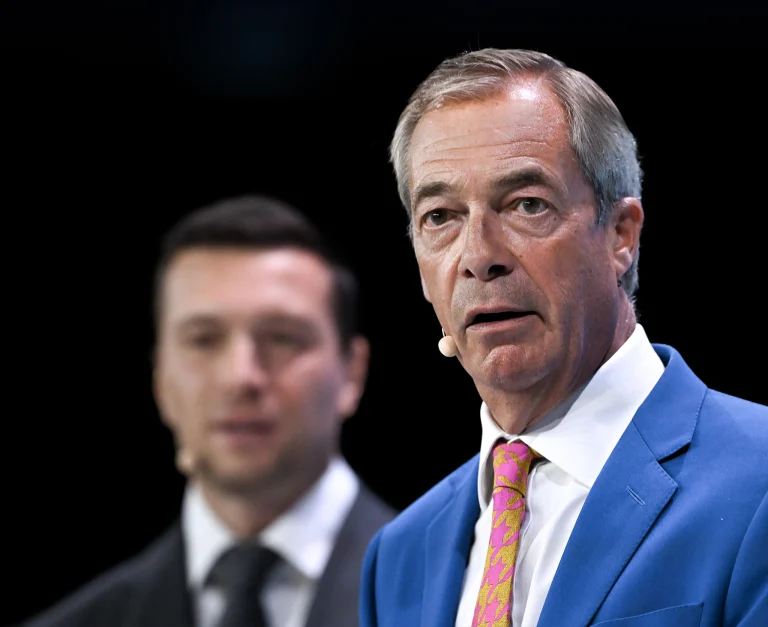
Jordan Bardella, the young politician who is widely tipped to lead the party in future, has previously said that he would cooperate with Reform to end the small boat crisis. He is also due to headline Reform's party conference later this year, where it is possible he may announce something in this vein.
Whether Reform's strategy would succeed ultimately depends on a factor beyond its direct control: France. Successive British governments have signed agreements, committed billions of pounds and sought closer cooperation with Paris, yet the number of small boats reaching Britain has barely ebbed.
Reform argues that a tougher negotiating stance and the threat of withdrawing funding would force a change in French policy. Whether that calculation proves correct may depend less on Westminster than on the political will in Paris, which is something no British government can control.
Welcome to the comments section of the Štandard daily. Please take note of our guidelines, comments are moderated by us. You can contact the moderators at support@statement.com.
Participate in the discussion
Comments are available to subscribers only. If you'd like to join the discussion, choose a subscription starting at €6.72 per month.
All comments 0
Register
Comments are available to registered users only. If you'd like to join the discussion, register here.