Morocco Bishop Says Ceuta Migration Crisis Has Political Dimension
Reflecting on the Ceuta migration crisis, a Catholic bishop in Morocco has disputed Spain’s claim that it was organized by trafficking gangs and suggested the crisis had political dimensions.
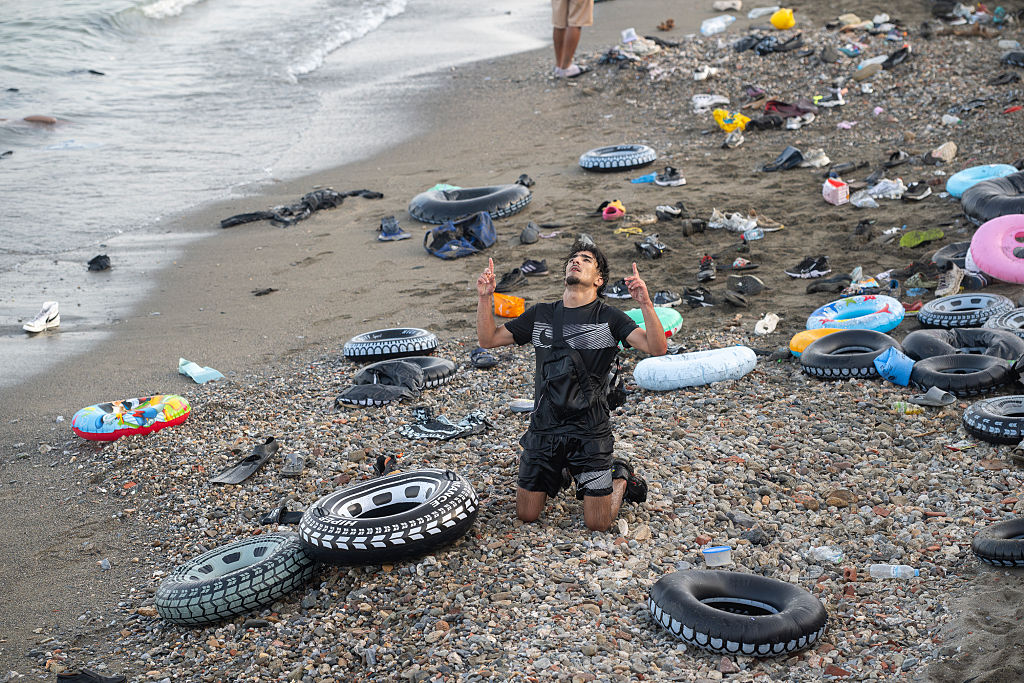
Spain's prime minister blames human traffickers, but a Morocco-based bishop says there is a political dimension to the Ceuta crisis. Photo: Marcos Moreno/Europa Press via Getty Images
|
While Spanish and European leaders have downplayed a political angle to the mass border breach that led to more than 70,000 people invading the Spanish enclave of Ceuta, a bishop in northern Morocco stated his belief that the crisis was political in nature. Archbishop of Tangier Emilio Rocha OFM told Catholic news site the Pillar that migrants are a “warning signal” regarding the relations between Spain and the North African state.
While arguing that the motives behind the recent mass border crossing are not entirely clear, he noted that if relations turn bad, “the door opens and thousands of migrants are let through”.
There has been speculation that the Moroccan government is unhappy with Spain over its development of relations with neighboring Algeria, while the North African nation disputes the European state’s claim over Ceuta.
However, thus far Spain’s Prime Minister Pedro Sánchez has urged his fellow European Union leaders not to criticize Morocco’s handling of the 30 July invasion.
Instead, Sánchez focused his attention on human trafficking gangs, while EU authorities have blamed the spread of “misinformation” on social media, with European Commission Vice President Henna Virkkunen meeting big tech representatives over the weekend to discuss the issue. Some senior EU figures are now calling for the bloc’s media regulations to be imposed on the Global South to ward off online efforts to coordinate future incursions.
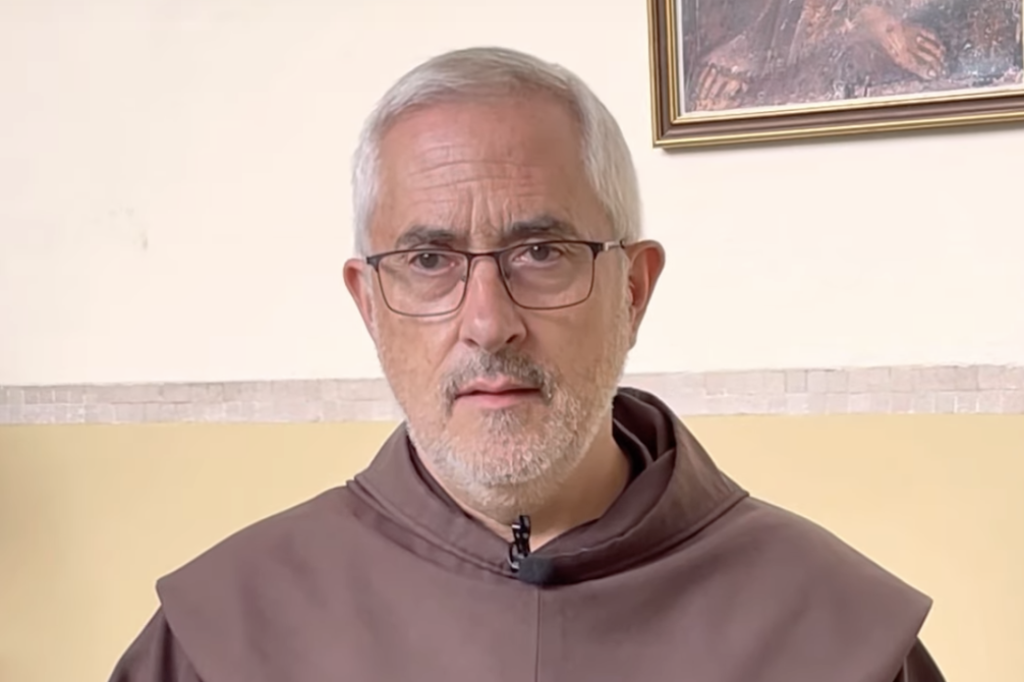
Emilio Rocha, a Spanish-born Franciscan friar, has been archbishop of Tangier since 2023. Photo: Order of Friars Minor
Ceuta Invasion
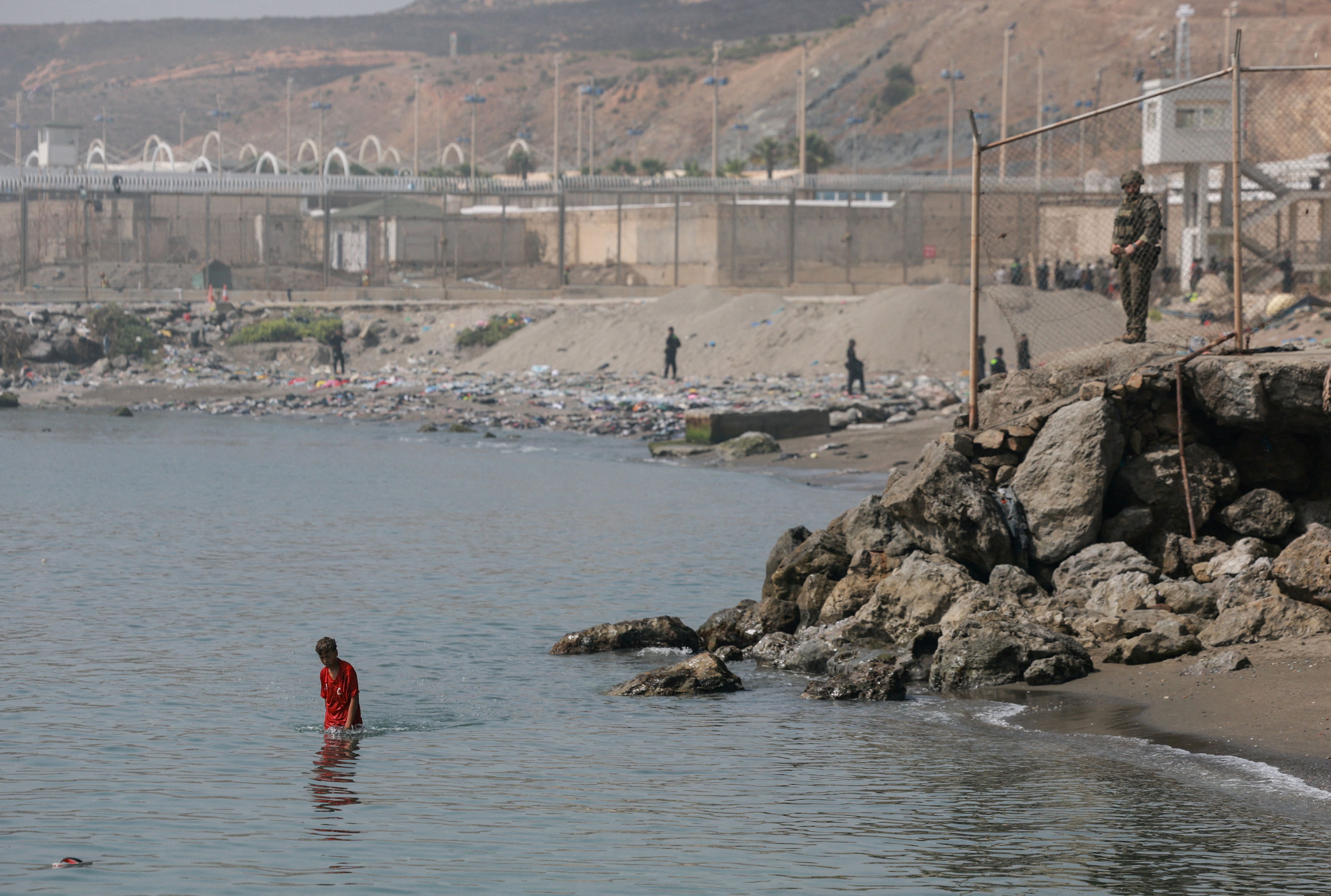
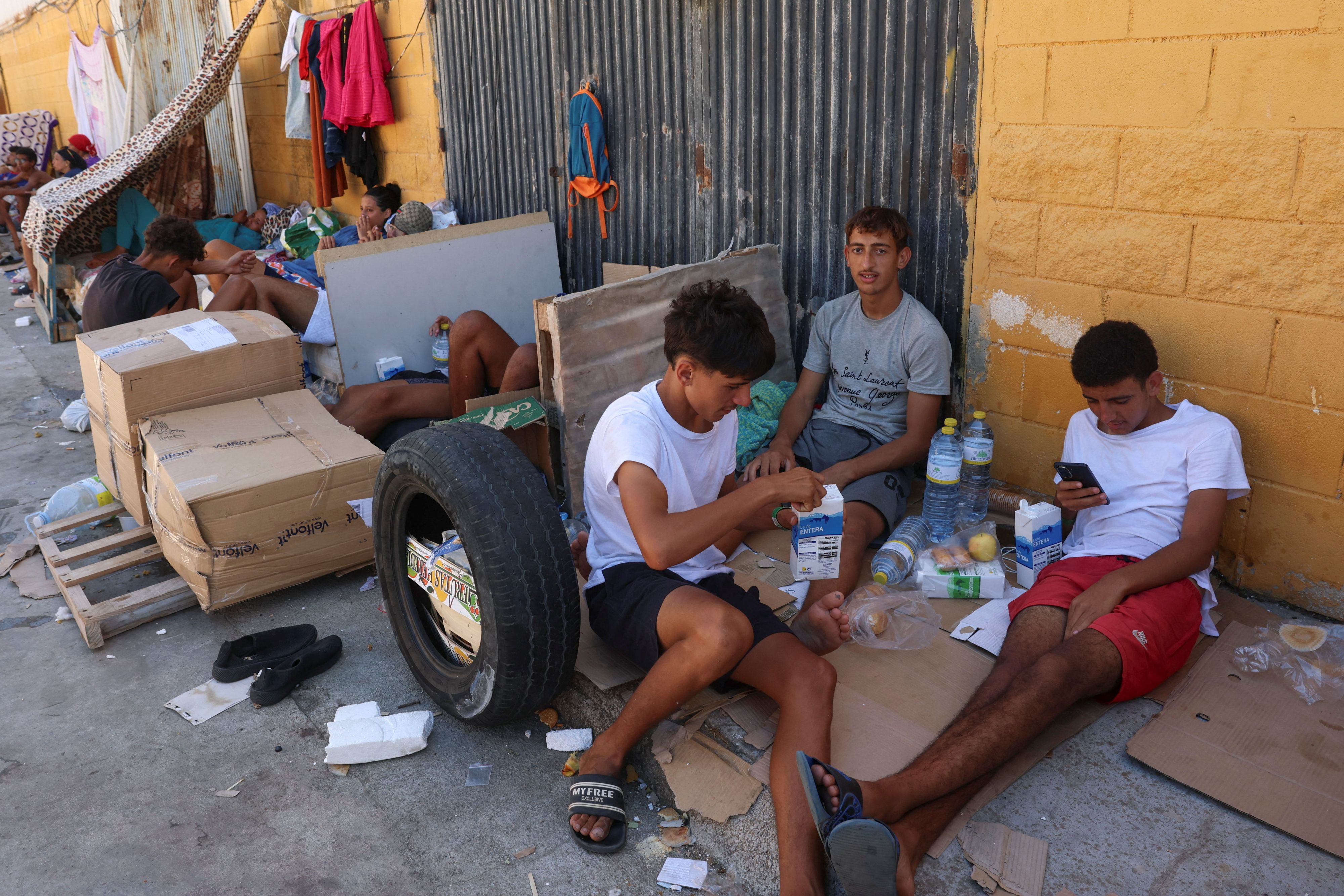
On 30 July, an estimated 72,000 migrants entered the Spanish enclave of Ceuta, a city with a population of around 83,000 people. While the majority of the migrants were quickly repatriated, around 140 are estimated to have died in entering the European territory, while between 2,000-6,000 migrants still remain in the town, with conflicting estimates from local and national authorities.
Rocha, who resides in Tangier, a city about a 90-minute drive from Ceuta, witnessed the border crossing as he was in the region for Morocco’s most important civil holiday, Throne Day. The Franciscan friar saw hundreds of young men making a break for the border while he was being driven back to Tangier.
The Spanish-born archbishop expressed surprise at the migrants’ attempt, since the roads in the area were under heavy surveillance as the king was holding Throne Day celebrations in a nearby city.
He called it “curious” that on a day when there was such “heavy surveillance”, people crossed “as if nothing were stopping them”. There were police there, he said, “but nobody was doing anything”.
The Tangier-based church leader said that Morocco has become a “place of transit” for mostly sub-Saharan migrants. These people flee “genuine hardships” to come to Africa's Mediterranean coast, in the hope of crossing to Europe.
He speculated that many of those who died were likely to be of sub-Saharan origin, as the swim is not difficult for those from coastal communities, but could prove a challenge for people coming from further inland.
He also suggested that those who have remained in Ceuta are of similar origin, as Morocco itself is a country in “economic expansion”, even though its resources do not reach everyone.
For native Moroccans, the driving factor is not hunger or destitution, but rather the attraction of Europe's better quality of life, which they hear about through the many Moroccan migrants already in Europe, the 68-year-old prelate continued.
While the situation of some sub-Saharan migrants merits political asylum, “a Moroccan will practically never be granted refugee status, because it simply doesn’t apply”, Rocha said.
Europe Divided
The Ceuta crisis sparked political uproar in Europe, with leaders from across the continent criticizing the Spanish government’s handling of the crisis and immigration more generally.
Italy introduced border checks for arrivals from Spain, with Sánchez’s government responding in kind, while other nations worried about the threat to Europe’s common travel area.
However, after complaints from the Spanish PM, the EU began to shift its approach, praising Spain’s swift response and the Moroccan authorities for their cooperation.
Critics argue that the bloc is avoiding an analysis of potential politically related drivers of the crisis, such as Spain’s liberal migration policies and regulations or diplomatic disputes between the two nations.
In the immediate aftermath of the incident, Spain’s prime minister was quick to pin the blame on human trafficking networks, while the EU has subsequently focused its attention on the spread of “misinformation” online.
However, the Morocco-based archbishop expressed skepticism of claims regarding human trafficking, saying “smuggling mafias” operate for money, but these “young people crossed without money”.
Instead, when asked if he thought the crisis had “been politicized, on both sides”, Rocha averred that the “crisis is political in nature”.
The Ceuta incident is not the first of its kind, he said, adding that when there are problems between the governments of Spain and Morocco, “migrants become a kind of warning signal”.
If relations turn bad, “the door opens and thousands of migrants are let through”, he continued, referencing a similar event in 2021 when an estimated 10,000 people broke into the territory.
In that instance, there was a clear political dispute between the two countries, after Spain offered hospital treatment to Brahim Ghali, the leader of African dissident movement the Polisario Front, which Morocco opposes.
The 30 July invasion “can’t be simplified”, said Rocha, who believes “this time it’s much stranger”. For the experienced church leader, drawing conclusions about the exact driving forces behind the Ceuta incident is like putting together “a giant puzzle”.
But whether “more or less rigor is applied” to containing immigration by Moroccan authorities “always depends on relations between the two countries”, he added.
So while the EU blames social media companies and human traffickers, the archbishop’s analysis suggests that the political angle deserves greater attention than the bloc’s leaders are currently giving it.
Welcome to the comments section of the Štandard daily. Please take note of our guidelines, comments are moderated by us. You can contact the moderators at support@statement.com.
Participate in the discussion
Comments are available to subscribers only. If you'd like to join the discussion, choose a subscription starting at €6.72 per month.
All comments 0
Register
Comments are available to registered users only. If you'd like to join the discussion, register here.