While Trump criticizes Europe’s regulation of American tech firms, bipartisan legislation advancing through Congress could significantly tighten controls on social media.
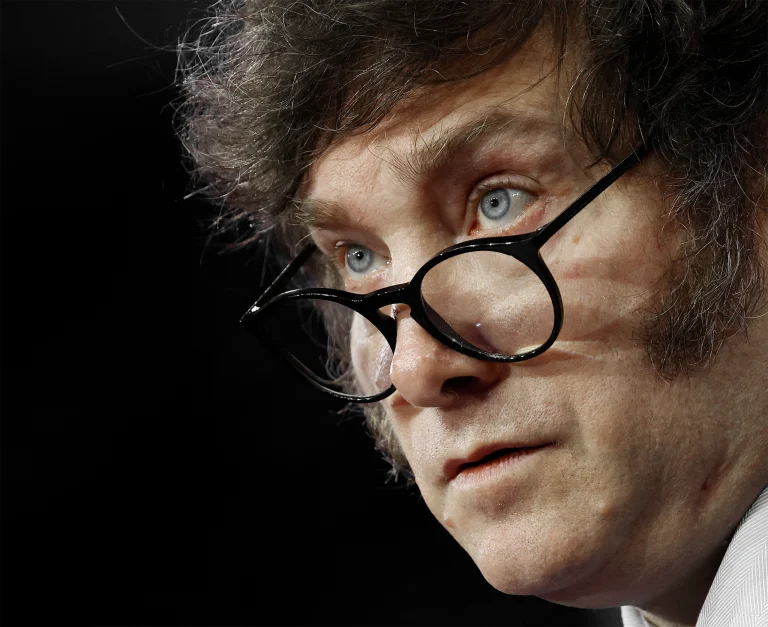
Trump faces growing pressure at home to regulate social media, raising concerns over free speech and privacy. Photo: Jaap Arriens/NurPhoto via Getty Images
|
US President Donald Trump has frequently criticized the European Union for its digital media regulations, arguing that they amount to foreign interference in American companies and threaten freedom of speech.
However, three online safety bills with significant bipartisan support are set to come before the US Senate. Critics say all of them point toward the introduction of digital IDs, even while the texts of the proposed acts say they do not require age verification.
There is growing pressure on American politicians to regulate social media, with polling suggesting voters on both sides of the political divide favor stricter government control, largely over fears of harm to children resulting from social media use.
The explosion of artificial intelligence (AI) chatbots has added fuel to the fire, as technological developments progress faster than the law can catch up.
Trump’s first term was marked by tensions with Facebook, Twitter (now X) and other platforms, which frequently censored his posts and later banned his accounts.
At the time, Trump and the Republicans opposed the power these platforms wielded over public discourse and favored moves to use government apparatus to challenge what critics saw as their ideological hegemony.
However, the tide has shifted since Elon Musk’s takeover of Twitter and a warming of relations between big tech titans like Mark Zuckerberg and Jeff Bezos and the Republican Party.
One sign of this change has been the hard-nosed approach taken by the Trump administration to the EU’s digital media regulations, such as its Digital Services Act (DSA) and its Digital Markets Act (DMA). The administration has opposed them on the grounds of both freedom of speech and foreign interference in American companies.
In July, the US president mulled retaliatory measures after the European Commission fined Google €890m ($1bn) for breaching the DMA. Trump threatened substantial tariffs.
His administration has also released critical studies of how the EU has used its regulations to pressure social media companies to limit expression of conservative viewpoints on their platforms.
And lastly, Trump and his allies have been highly critical of proposed social media bans for teenagers that have gained broad political support in Europe. Vice President JD Vance has said Britain’s Online Safety Act is taking the country down the road of online censorship.
Pressure for Regulation from Voters
Within the US, polling frequently reveals that there is an appetite among a majority of US adults to introduce stricter regulations of social media platforms.
A Reuters/Ipsos poll recently found that a majority of Americans (85%) think social media can be addictive for children. Some 61% of respondents said companies running these platforms need firmer oversight.
Additionally, the growing number of lawsuits against social media giants reflects mounting public concern. Some courts and juries have found companies liable for the allegedly addictive nature of their products and the risks they pose to young people.
On 12 August, jury selection began in a trial addressing claims by California, Colorado, Kentucky and New Jersey that Meta engineered Facebook and Instagram to be addictive to children, as well as claims by 29 states concerning the collection and use of children’s data.
But as free speech advocates note, it is not clear that the public is aware of what many online safety proposals for children would entail, such as making government-issued IDs or face scans mandatory for accessing the internet.
Free speech advocates question whether the public understands the effect proposed safety regulations would have on freedom and privacy online.
Online Safety Bills
On 5 August, the Senate Commerce, Science and Transportation Committee sent the Kids Online Safety Act (KOSA), the Youth AI Privacy Act and the Children’s Health, Advancement, Trust, Boundaries, and Oversight in Technology (CHATBOT) Act for consideration by the full Senate.
The three bills highlight the dangers posed to the freedom of the internet by child safety efforts, no matter how well-intentioned. None of the bills explicitly calls for companies to use age-verification technologies but all of them require companies to know the age of their users.
The acts use the identical phrase to define what “know” means: having “actual knowledge or knowledge fairly implied on the basis of objective circumstances”.
Whether or not the business could reasonably be deemed to know if a user is a minor would be determined by federal or state authorities after the fact if enforcement action was taken against a company.
Proponents of the bills argue that they do not impose requirements for age checks, while the Age Verification Providers Association argues bills like KOSA sidestep how a platform is meant to work out who is a minor.
But free speech advocates say that the bills place a level of liability on social media companies that leaves them little option other than implementing stricter age checks to protect themselves from possible lawsuits.
As Dan Frieth writes on libertarian digital news site Reclaim the Net, the cheapest way for companies never to be on the wrong side of the law “is to check everyone at the door and keep the receipt”.
In making this claim, critics of the bills are able to draw on the precedent of Australia’s ban on under-16s using social media. The antipodean nation’s laws similarly include no specific requirement to introduce age verification measures such as face scans and government ID checks.
A number of companies have already introduced face scans as one of the chief means of verifying a user’s age. Others use invasive AI technology to monitor their platforms and detect signs that a user is underage based on the pattern of their use.
Free Speech Protections
So while the Trump administration has aggressively fought digital media regulations in the EU, at home the picture is not as clear, with Republicans as well as Democrats pushing for policies not dissimilar to Europe’s.
At present, though, America’s constitutional protections for freedom of speech, as well as divisions between the two chambers of Congress, the Senate and the House, mean that the bills may face a long journey before becoming law – if they ever do.
Vice President Vance expresses support for the Kids Online Safety Act.
The House passed its own package – the Kids Internet and Digital Safety (KIDS) Act – on 29 June, which includes a watered-down version of KOSA that the Senate says it will not accept.
The Trump administration’s position on such legislation is unclear. Vice President Vance supported KOSA when a senator and gave it his support again earlier this year in the context of AI regulation.
All this means that the public, legal and political battle in America over increased regulation of social media and big tech companies is likely to keep ramping up, and may yet test Trump’s resolve on an issue he has made central to his presidency.
Welcome to the comments section of the Štandard daily. Please take note of our guidelines, comments are moderated by us. You can contact the moderators at support@statement.com.
Participate in the discussion
Comments are available to subscribers only. If you'd like to join the discussion, choose a subscription starting at €6.72 per month.
All comments 0
Register
Comments are available to registered users only. If you'd like to join the discussion, register here.