When the pro-life right engages in the abortion debate, one of the most difficult questions to answer is what to do with a woman who insists that she wishes to have an abortion: is she to be tied down, held in a cell and forced to give birth? The broad principle that abortion should not happen is one thing; but applying it in practice is often quite another.
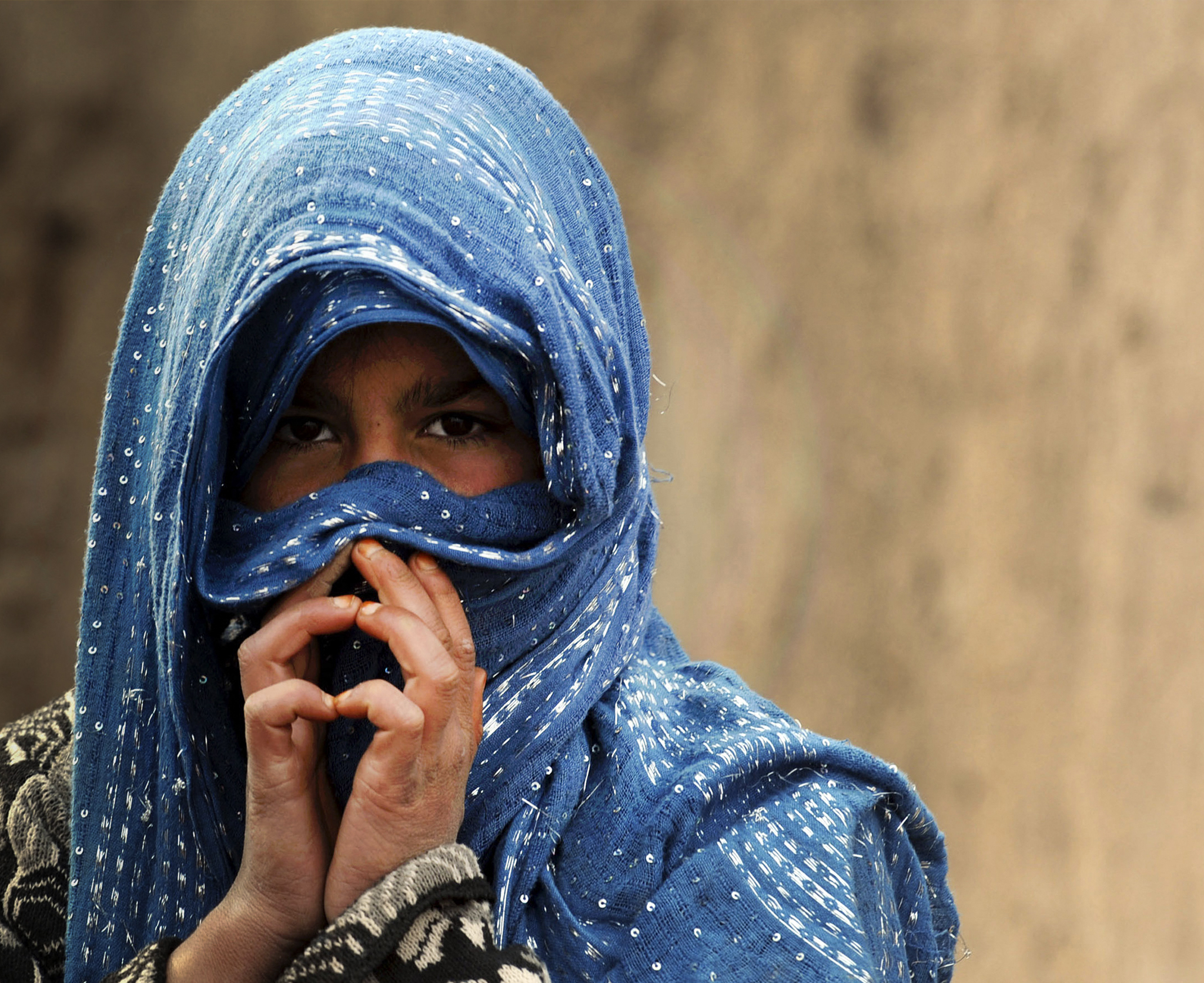
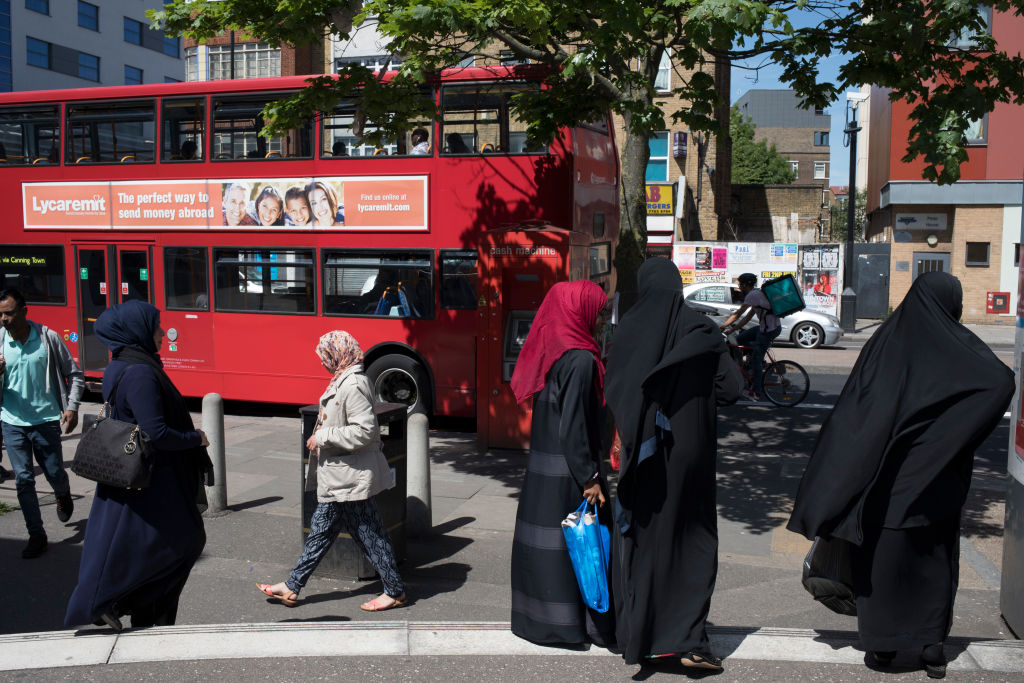
The same applies here: what is to be done, in western societies that enforce a ban on the niqab and the burqa, to women who wear them regardless? The state cannot impose laws and then let them be flouted openly – yet the obvious alternative is not exactly desirable either. Are women to be prosecuted for how they dress? Are courts to force that cohort of women who have deeply internalized Islamic notions of shame and dignity to unveil themselves in public? May the side effect not be, in practice, to turn parts of the West into Afghanistan, where women simply never leave the house because the government has made it unlawful in practice for them to do so?
These are difficult questions, but questions that need to be confronted, in this writer’s view, before a full-scale charge for a ban is adopted.
The Cheap Option?
What is more, of the Islamic customs which offend European senses, the full-face covering is hardly at the top of the list: much more concerning, one could argue, is the degree to which halal slaughter of animals for food is at odds with European and western sensibilities around animal welfare and cruelty. These practices could be vastly more easily restricted, also, since it is much easier for the state to regulate factories and slaughterhouses than it is to have a presence on every street in which a Muslim woman might live.
Then there is the bigger question: to what extent does Europe actually believe in religious freedom and the right to worship as a person pleases?
Such a commitment is easy to make, of course, when the choice is Catholic, Protestant, Jewish or atheist. Each of those dispositions is – these days at least – relatively unobtrusive, and the practice of such views is less than visible in the daily lives of those who do not share them. Tolerance for religious difference becomes much harder when that religious difference is – pardon the pun – in your face.
Mill’s Liberty Principle
Most European countries have long-standing jurisprudence on the issue of religious freedom which aligns broadly to John Stuart Mill's harm principle: that so long as one’s religious views do not impinge on the freedom of others, they may be broadly tolerated. Thus, for example, will a court intervene to force a blood transfusion on a child whose parents are Jehovah’s Witnesses and do not believe in the practice.
When it comes to Islam, examples of the harm principle that are much more pertinent than the niqab or the burqa come to mind: for instance, the practice of cousin or clan marriage, still widespread in Muslim migrant communities, risks real harm to the putative offspring of such a marriage. Sharia courts, which impose a sort of shadow, dual legal system in Muslim communities, can also deprive people of justice to which they are legally entitled.
Aside from all of these cases, there is a feeling – at least in this writer’s mind – that going after Islamic veils is the cheap option and the one which requires the least confrontation. It also, very arguably, is the least justified impingement on religious freedom.
The notion of the state rounding up Muslim women and exposing their faces is, prima facie, absurdist. Further, there is a real risk that doing so will create an entirely justified emotional backlash in Muslim communities which feel that their female members have been targeted and ritually humiliated by police and judges who, of course, are mainly white Christian men.
What will be accomplished, in this case, is relatively little for a relatively high cost. The wisdom of it, in my view, should certainly be considered further.