Tesla's Cybercabs Hit the Streets with No Steering Wheel
Tesla began offering paid rides in its driverless Cybercab in Austin, Texas, on Thursday, a launch that has already drawn scrutiny from federal safety regulators.
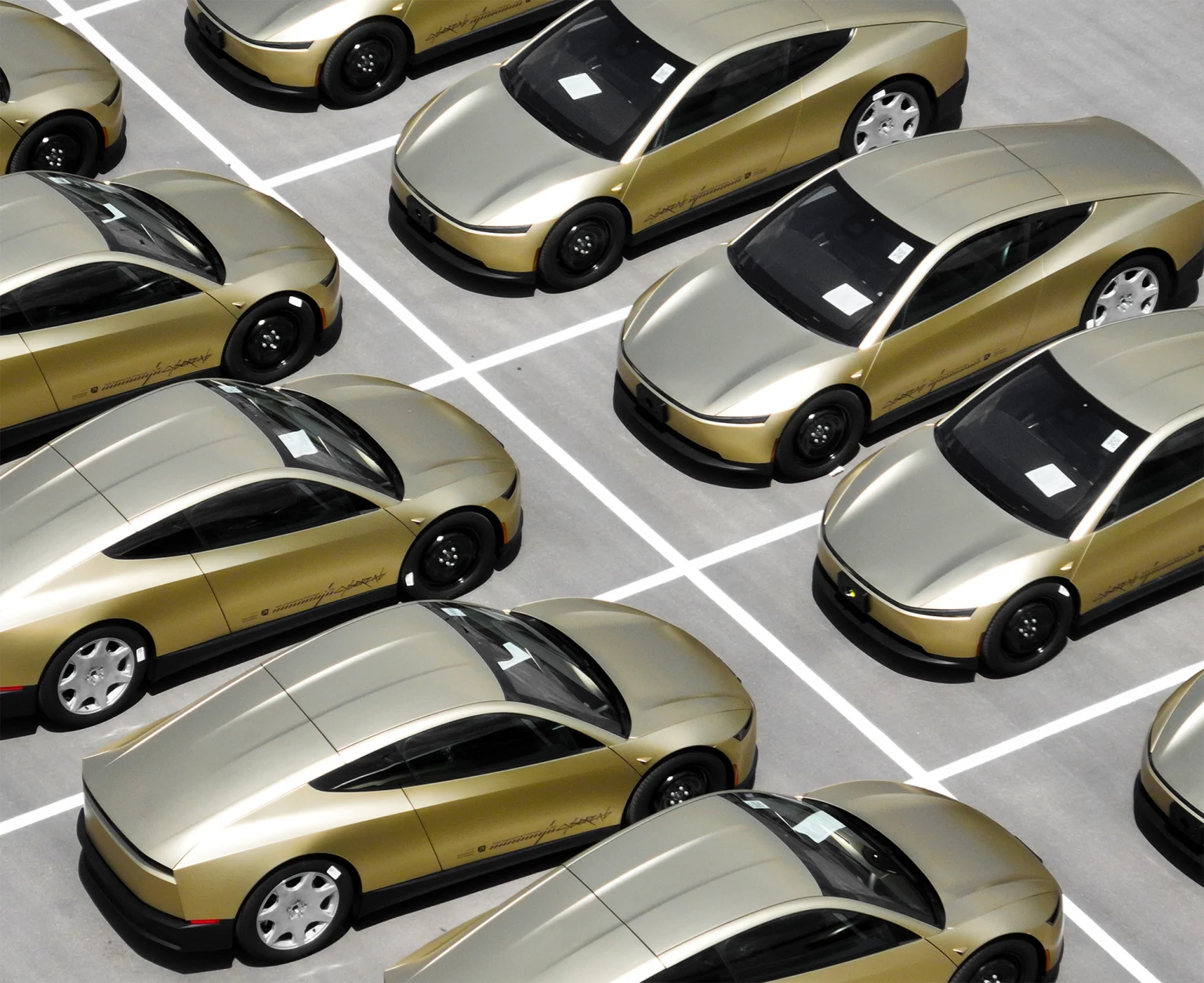
Tesla\'s driverless Cybercabs, built without steering wheels or pedals, line up before entering service in Austin. Photo: Jay Janner/The Austin American-Statesman via Getty Images
|
A driverless car with neither a steering wheel nor pedals has become the latest innovation in the automotive industry to begin ferrying paying customers through the streets of an American city.
Tesla launched its two-seater Cybercab in Austin, Texas, on Thursday, announcing that it was now offering paid rides across limited areas of the city. The Cybercab is the newest addition to the electric car giant's Robotaxi fleet, which is currently operating in two other Texan cities, Dallas and Houston, as well as three in Florida: Miami, Orlando and Tampa.
The Robotaxi fleet, which already features fully autonomous Tesla Model Ys, has now been bolstered by the Cybercab, a distinctive golden vehicle with butterfly doors and a large central display that replaces conventional driver controls, allowing customers to use it for entertainment or connectivity during their commute.
The Cybercab appears to take the brand's Full Self-Driving (FSD) system to the next level. While the company's other vehicle models can operate FSD in a supervised capacity, each of them still comes equipped with a steering wheel and pedals for the driver to use. The Cybercab, by contrast, is the first Tesla vehicle to dispense with both, relying instead on cameras and artificial intelligence to navigate the roads.
No Hands, No Wheel
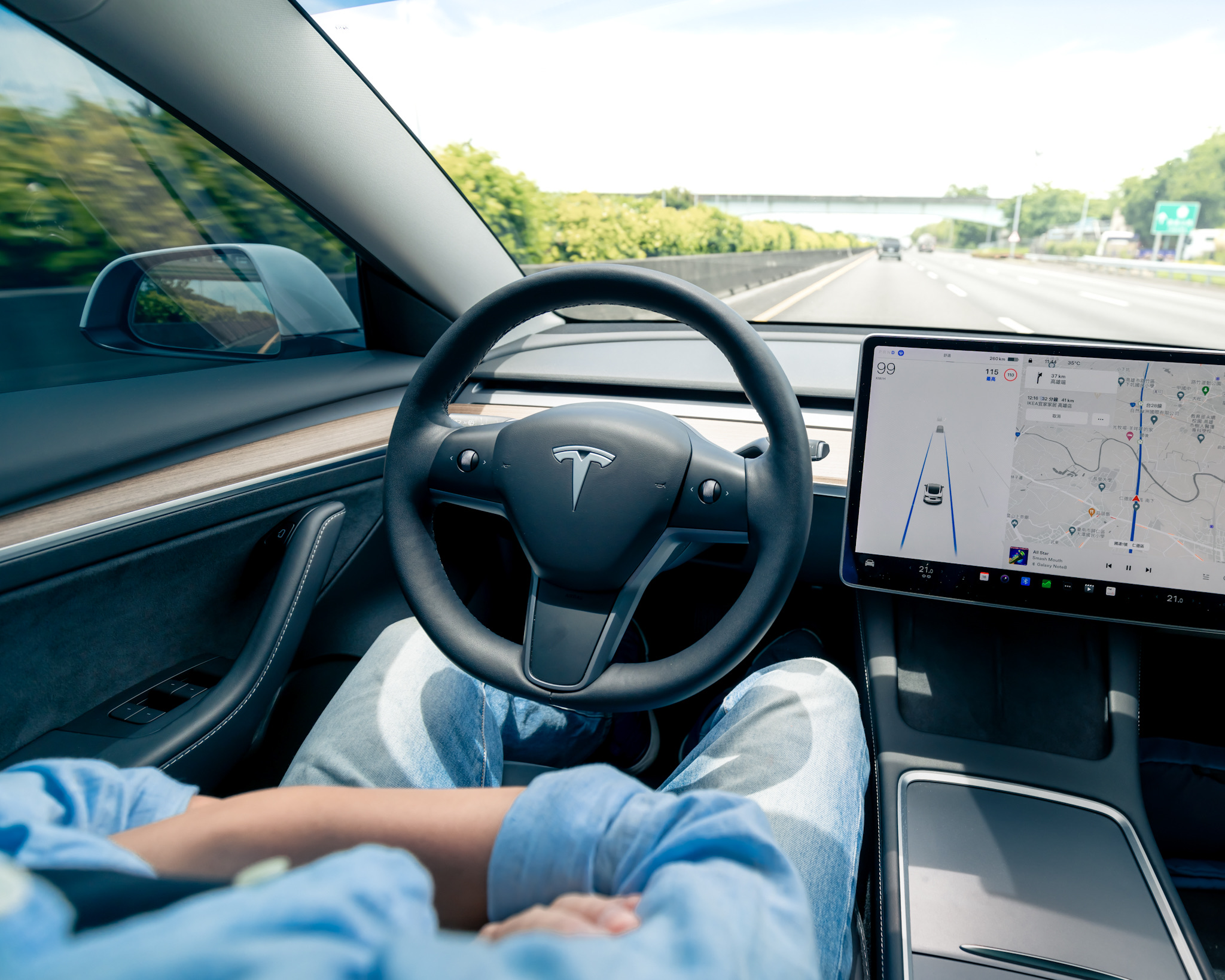
Tesla describes FSD as a "suite of advanced driver assistance features" trained on billions of miles of anonymous real-world driving data. The system draws on a range of instruments, including cameras, GPS and vehicle sensors, feeding data to an onboard AI computer that makes decisions and takes physical control of the car.
Although the consumer version of FSD still requires human supervision, the Cybercab has been designed to operate without an onboard safety monitor at all, setting it apart from every other model in the Tesla fleet.
Since the Cybercab's launch on Thursday, Tesla has updated its Robotaxi website to tell users that the vehicle can be used for "errands, commuting and more", noting that it also offers storage space for items such as luggage, golf clubs and scooters.
Despite the anticipation surrounding its much-hyped launch, the Cybercab has already attracted federal regulatory scrutiny. Auto safety regulators have opened an investigation, known as an Audit Query, into the Cybercab in the days since it began operating on Austin's streets on 3 September.
In a notice issued by the National Highway Traffic Safety Administration (NHTSA), the regulator announced Tesla had informed the agency that it had self-certified its Cybercab vehicles as compliant with all applicable standards.
"Tesla also notified the Agency that it plans to gradually expand commercial deployment of the Cybercab to include additional vehicles and locations. The vehicles lack permanently attached, conventional manual controls, such as a brake pedal, gas pedal, steering wheel, and mirrors", the notification reads, identifying features that are generally required in cars.
The NHTSA noted it was carrying out its review to examine the "process and technical data" that Tesla relied upon when certifying the Cybercab.
"Among other things, NHTSA will consider the extent to which Tesla's certification depended on determinations that certain FMVSS [Federal Motor Vehicle Safety Standards] are inapplicable to the Cybercab", it said.
Vehicle manufacturers seeking to deploy cars without typical features, such as those highlighted in the notice, can request an exemption from the NHTSA. Tesla's self-certification, however, suggests that it chose not to pursue that route, instead declaring that its Cybercab met all of the required FMVSS outright.
The Cybercab is not the first vehicle to take to the roads without a steering wheel or pedals. Another fully autonomous robotaxi secured permission to do so first.
The Amazon-owned Zoox unveiled its autonomous vehicle, which has no steering wheel, pedals or driver's seat, back in 2020. That vehicle went on to receive the first-ever exemption granted to an American-built model under the Automated Vehicle Exemption Program, in 2025.
Then, in July this year, the NHTSA was directed by the Trump administration to grant Zoox a temporary exemption allowing it to deploy its robotaxis commercially.
"This temporary exemption will allow the commercial deployment of up to 2,500 vehicles annually for two years, subject to an enhanced, adaptable oversight structure that can evolve as Zoox's technology advances", an NHTSA press release said.
The autonomous transport industry is taking off in the United States, with companies such as Waymo, Zoox and Tesla now offering driverless services in a growing number of American cities.
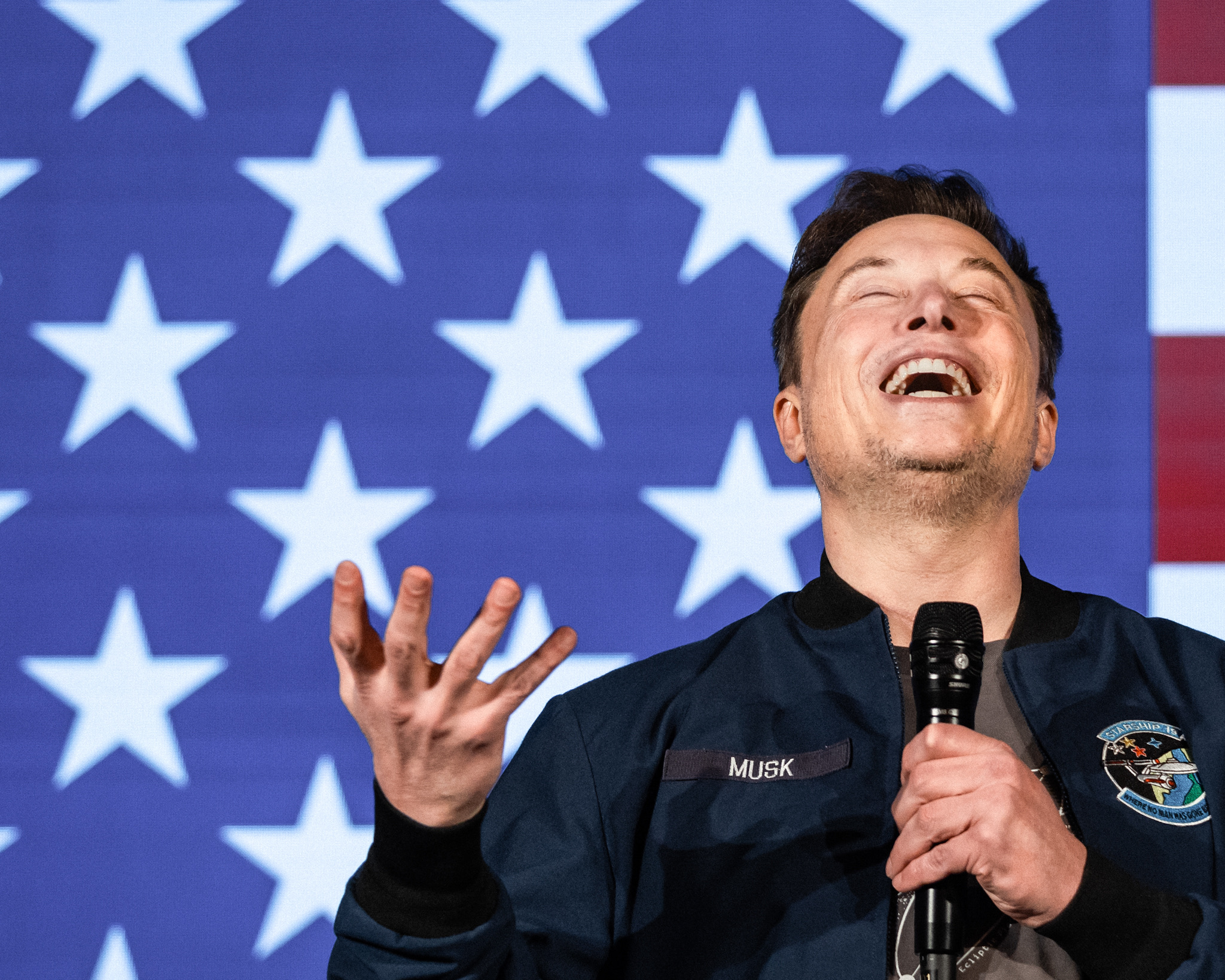
It is an industry Tesla CEO Elon Musk is backing, having described the Cybercab as "the future of transportation" on his social media platform X.
Welcome to the comments section of the Štandard daily. Please take note of our guidelines, comments are moderated by us. You can contact the moderators at support@statement.com.
Participate in the discussion
Comments are available to subscribers only. If you'd like to join the discussion, choose a subscription starting at €6.72 per month.
All comments 0
Register
Comments are available to registered users only. If you'd like to join the discussion, register here.