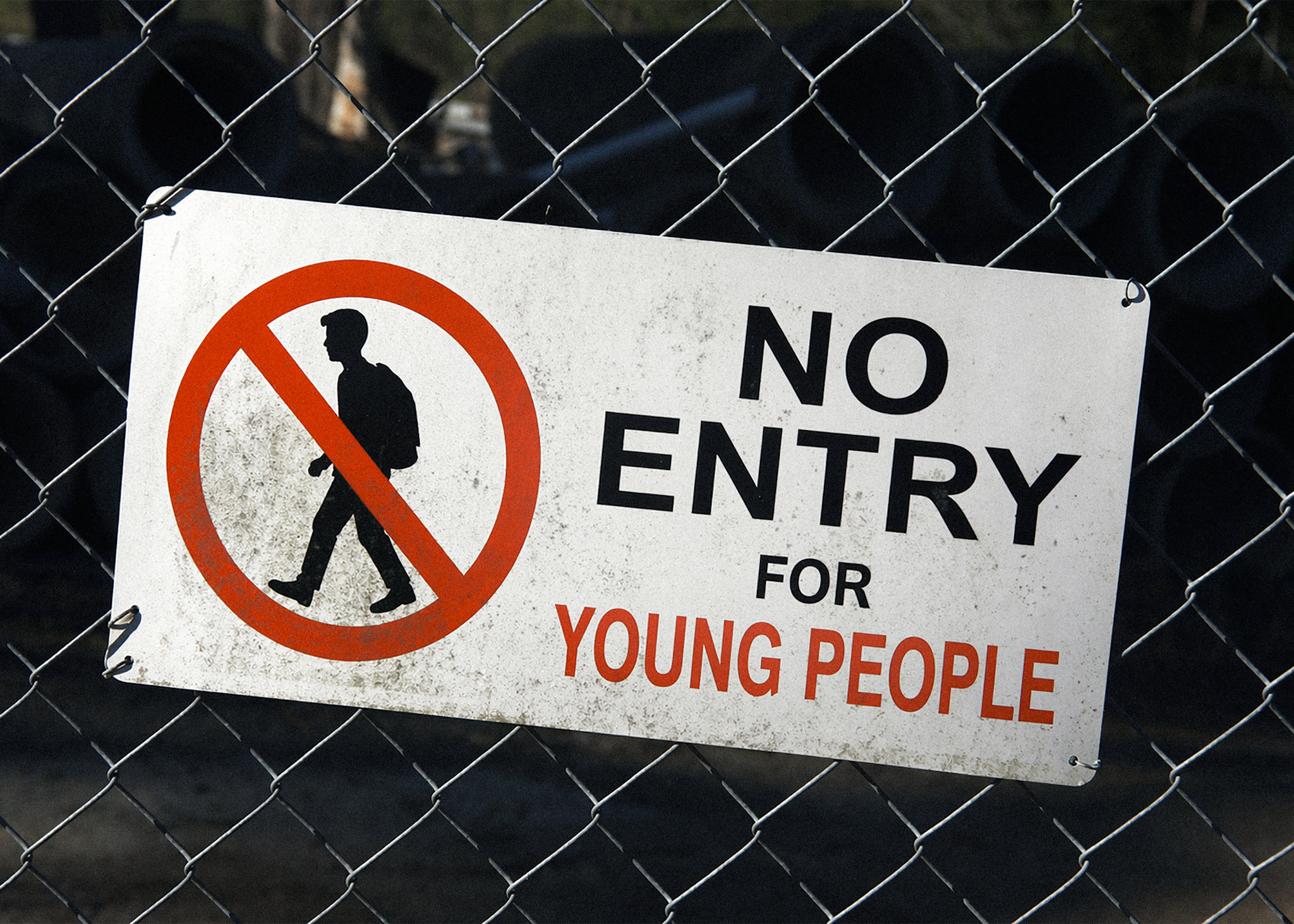
Raising children has always required a shared effort. While it remains a deeply personal responsibility for parents, it is also shaped by the support of family and community. Today, that balance is being tested by the growing presence of smartphones in children’s lives. As devices reshape how young people communicate, learn and spend their time, concern is mounting over their influence on development and relationships.
A growing body of research points to risks ranging from distraction and reduced attention spans to more serious psychological harm, including depression, cyberbullying and exposure to violent or explicit content. In response, governments across Europe are moving towards tighter controls, with countries such as France and Greece considering limits on children’s access to social media. Critics warn that such measures risk blurring the line between protection and censorship, raising questions about how far regulation should go.
Doing it Differently
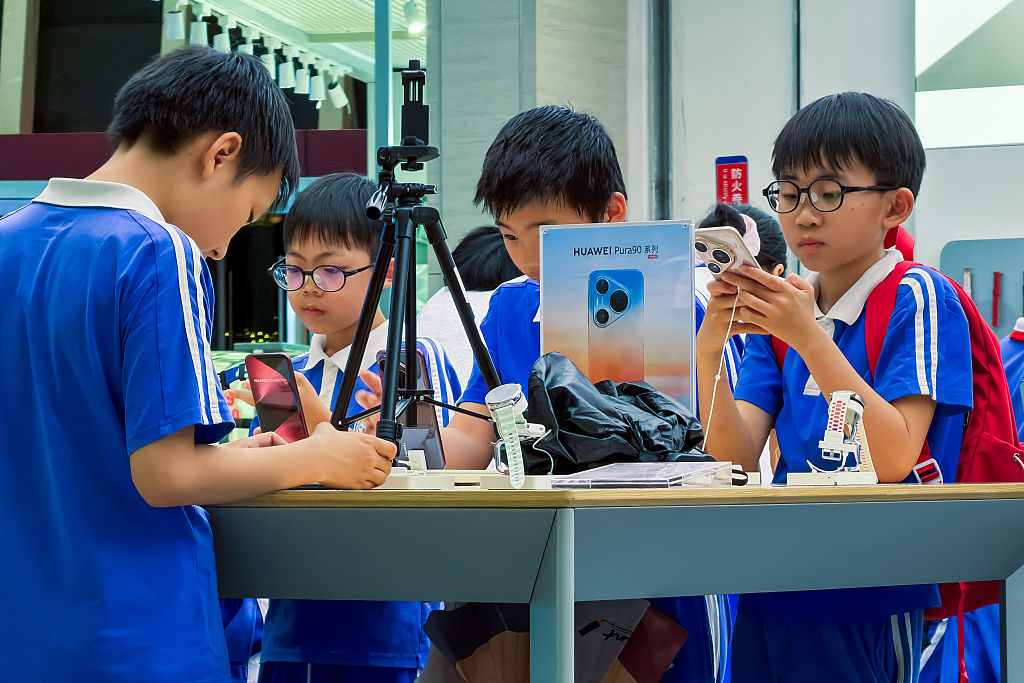
Amid these attempts to address social media and smartphone use among children and adolescents is a small village on the coast of Ireland called Greystones. Ireland, as a country, has reinvented itself in the last few decades as a hub for many global companies, including Google, Meta, Microsoft, Apple and LinkedIn. The average child is given a smartphone at around age 9.
The initiative, known as “It Takes a Village”, began in 2023 after educators and parents noticed rising anxiety, sleep problems and exposure to harmful online content among primary school children. Many families felt they were losing control over when and how their children entered the digital world. Surveys pointed to widespread concern, with a significant number of parents reporting anxiety among their children and some already seeking mental health support.