French Judges Finally Recognize Anti-White Motive in Crépol Killing
Nearly three years after the killing of 16-year-old Thomas Perotto, French judges have added an aggravating racist motive to the charges against his attackers, reopening a debate over anti-white racism and the media's handling of one of France's most divisive recent criminal cases.
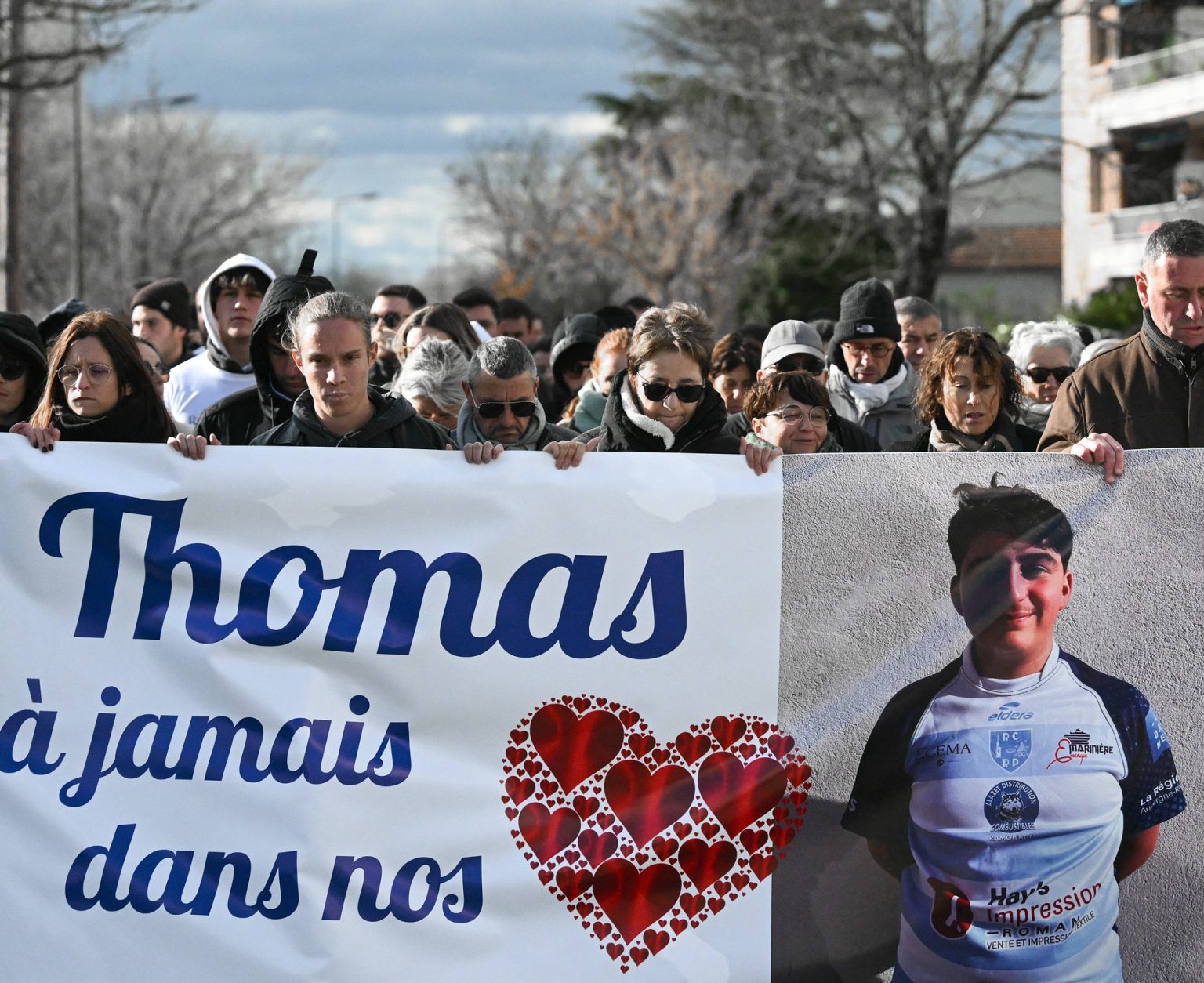
Mourners gather in Romans-sur-Isère for a march in memory of Thomas Perotto, who was fatally stabbed at a village dance in Crépol in November 2023. Photo: Olivier Chassignole/AFP/Profimedia
|
Almost three years ago, a tragedy shook public opinion in France: the murder of young Thomas, a 16-year-old rugby player, stabbed during a village ball by a gang of attackers who had traveled from a neighboring town looking for a fight. What the press was quick to describe at the time as a brawl had all the hallmarks of an ethnic riot. According to several witness statements taken that evening, the attackers had come to “stab white people”.
In an unprecedented move, after years of official denial, the investigating judges are reconsidering the facts and adding an aggravating circumstance to the charges against the suspects: anti-white racism and hatred of the French nation. The trial has not yet taken place, but this is already a major symbolic victory, one that finally acknowledges a very real phenomenon that has long been ignored.
From a Village Brawl to an Ethnic Fight
On the night of 18–19 November 2023, Thomas Perotto, a 16-year-old sixth-former, was fatally stabbed during the winter ball held in the village hall in Crépol, in the Drôme department. A brawl broke out after a group of young people from the nearby town of Romans-sur-Isère stormed in. Some neighborhoods in the town, with large immigrant populations, are known for endemic crime. Several other attendees were injured, some seriously.
The Valence Public Prosecutor's Office opened a judicial inquiry into murder and attempted murder committed by an organized gang. Several suspects were quickly arrested and charged. Investigators sought to determine each individual's exact role in the violence, as well as the identity of the person who delivered the fatal stab wound. This proved difficult to establish given the number of people involved in the clash.
Throughout 2024, the investigation continued: DNA analyses, examination of mobile phones, interviews with hundreds of witnesses and a meticulous reconstruction of the evening's events. Magistrates worked to establish individual responsibility amid a particularly chaotic group assault. Several witnesses reported having heard insults directed at the young people attending the ball, including remarks such as “we're here to stab white people”, but investigators sought to verify the scope and credibility of these statements.
As the interviews progressed, a number of consistent accounts described insults and hostile remarks directed at “white people” before or during the attack. Forensic analyses of the suspects' mobile phones, along with further confrontations, were added to the case file. While these elements gradually fed into the magistrates' consideration of a possible racist motive, they were not immediately reflected in the criminal classification of the offense.
Nearly three years after the incident, the investigating judges decided to extend the charges by adding the aggravating circumstance applicable when an offense is committed “on the grounds of the victim's origin or membership, whether real or supposed, of an ethnic group, nation or race”. In practice, the magistrates now consider that the evidence gathered allows them to conclude that the victims may have been targeted because they were perceived as white.
This marks a major turning point in the case. The courts have found sufficiently serious evidence to examine the possibility of a racist motive against the victims. For the first time in a criminal case of this significance, however, the concept of racism is being applied not to a community of immigrant origin, but against white French people. The investigating judges invoked the aggravating circumstance provided for in Article 132-76 of the Criminal Code, specifying that the offenses were allegedly committed “because the victims belonged to the white race and the French nation”.
The judicial investigation is not yet complete. The judges must still determine the individual responsibility of each suspect and decide, at its conclusion, on the final charges to be brought before the Assize Court.
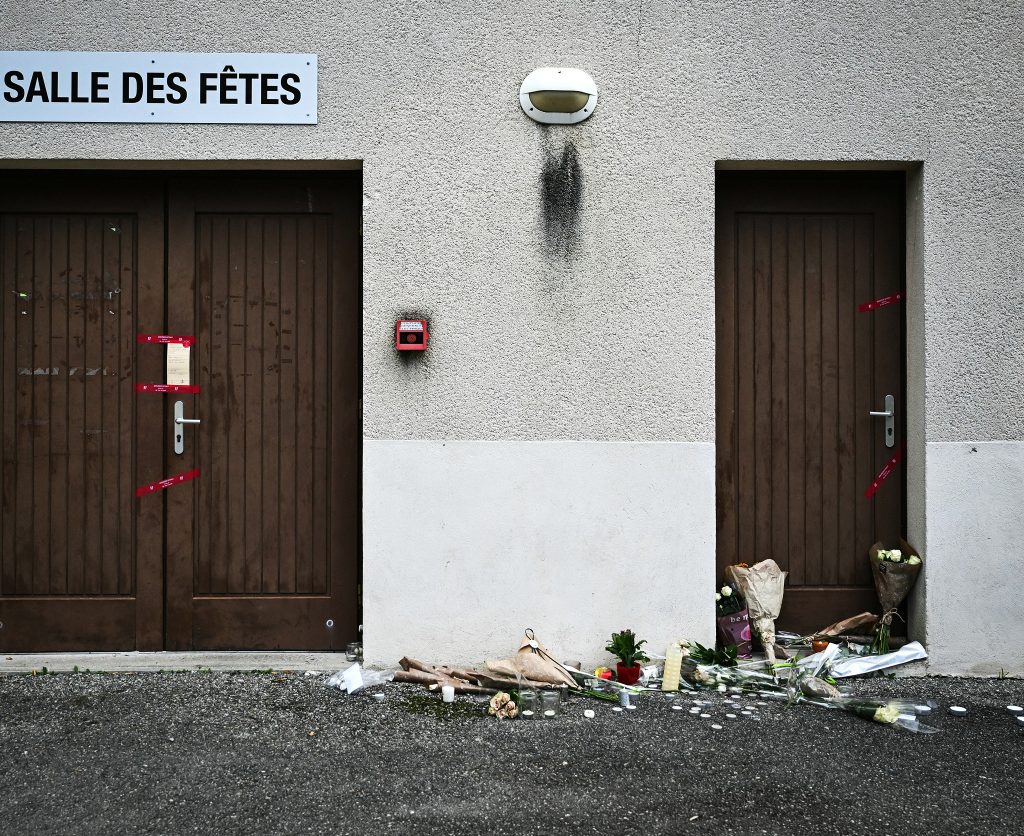
Flowers outside the reception hall in Crépol, where Thomas Perotto was fatally stabbed during a village dance in November 2023. Photo: Olivier Chassignole/AFP/Profimedia
A Media Blind Spot Exposed
During the long months of the investigation, the tragedy surrounding Thomas's death was compounded by a media scandal. From the very first days following his death, two conflicting accounts emerged. On one side, several witnesses claimed that the attackers had hurled insults targeting “white people”, including remarks such as “we're here to stab white people”. These accounts were reported in particular by CNews, Europe 1 and several right-wing media outlets, which saw them as evidence of a crime motivated, at least in part, by racism.
On the other side, a significant section of the national press, along with several left-wing politicians, refused to entertain this hypothesis. Several media outlets dismissed the theory of anti-white racism as mere speculation, or as an attempt to exploit the emotion stirred up by the murder.
In the days following Thomas's death, right-wing activists traveled to the scene to pay their respects and to condemn the gang responsible for his death. They organized a march, chanting “Justice for Thomas”, “Islam out of Europe” and “France belongs to us”. These events fueled accusations from the left that racism lay with Thomas's supporters, rather than with his attackers.
In 2024, the controversy took an institutional turn. Complaints were lodged with the Regulatory Authority for Audiovisual and Digital Communication (ARCOM) over the conservative channel CNews's coverage of the case. The channel was accused of promoting the investigative hypothesis, widely dismissed at the time, of a “racist crime”.
For nearly three years, this controversy remained at the heart of public debate. Now, the investigating judges have decided to add to the charges the aggravating circumstance that the offenses were committed on the grounds of the victims' presumed origin or race.
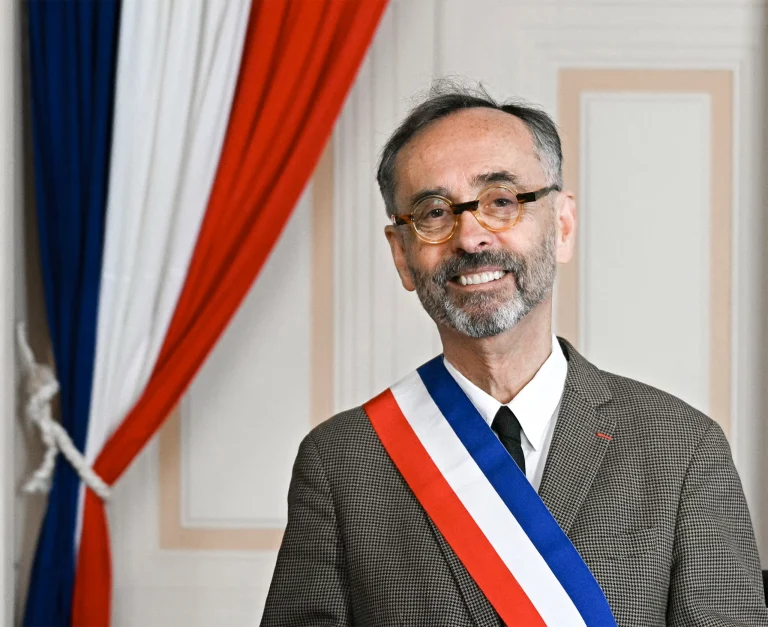
For observers who had denounced the suppression of this aspect of the case from the outset, this judicial development appears to vindicate their doubts about the initial media coverage. The mayor of Romans-sur-Isère, Marie-Hélène Thoraval, who had courageously championed Thomas's cause and identified those truly responsible the very day after the crime, welcomed the judges' decision, lamenting that for three years, eyewitnesses had been “neither understood nor believed”.
In the face of insults and accusations of ulterior motives, the facts have ultimately proved them right. Sadly, an apology, or even a belated acknowledgment that they were right, is unlikely to follow.
Welcome to the comments section of the Štandard daily. Please take note of our guidelines, comments are moderated by us. You can contact the moderators at support@statement.com.
Participate in the discussion
Comments are available to subscribers only. If you'd like to join the discussion, choose a subscription starting at €6.72 per month.
All comments 0
Register
Comments are available to registered users only. If you'd like to join the discussion, register here.