However, there have been some silences among other prominent right-wing parties that may indicate a degree of unease regarding the success of Germany’s anti-establishment political movement.
Trump Watches, Musk Congratulates
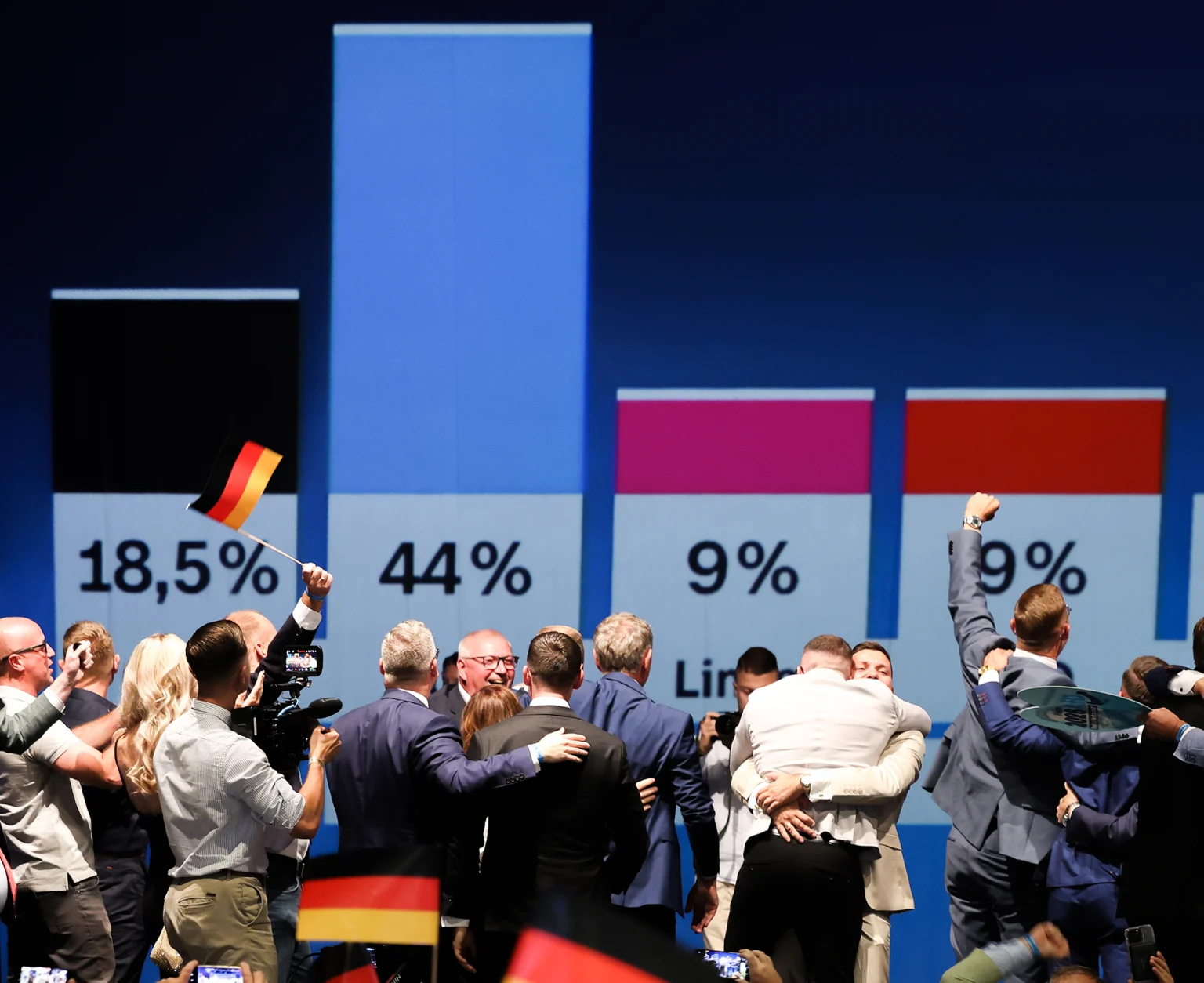
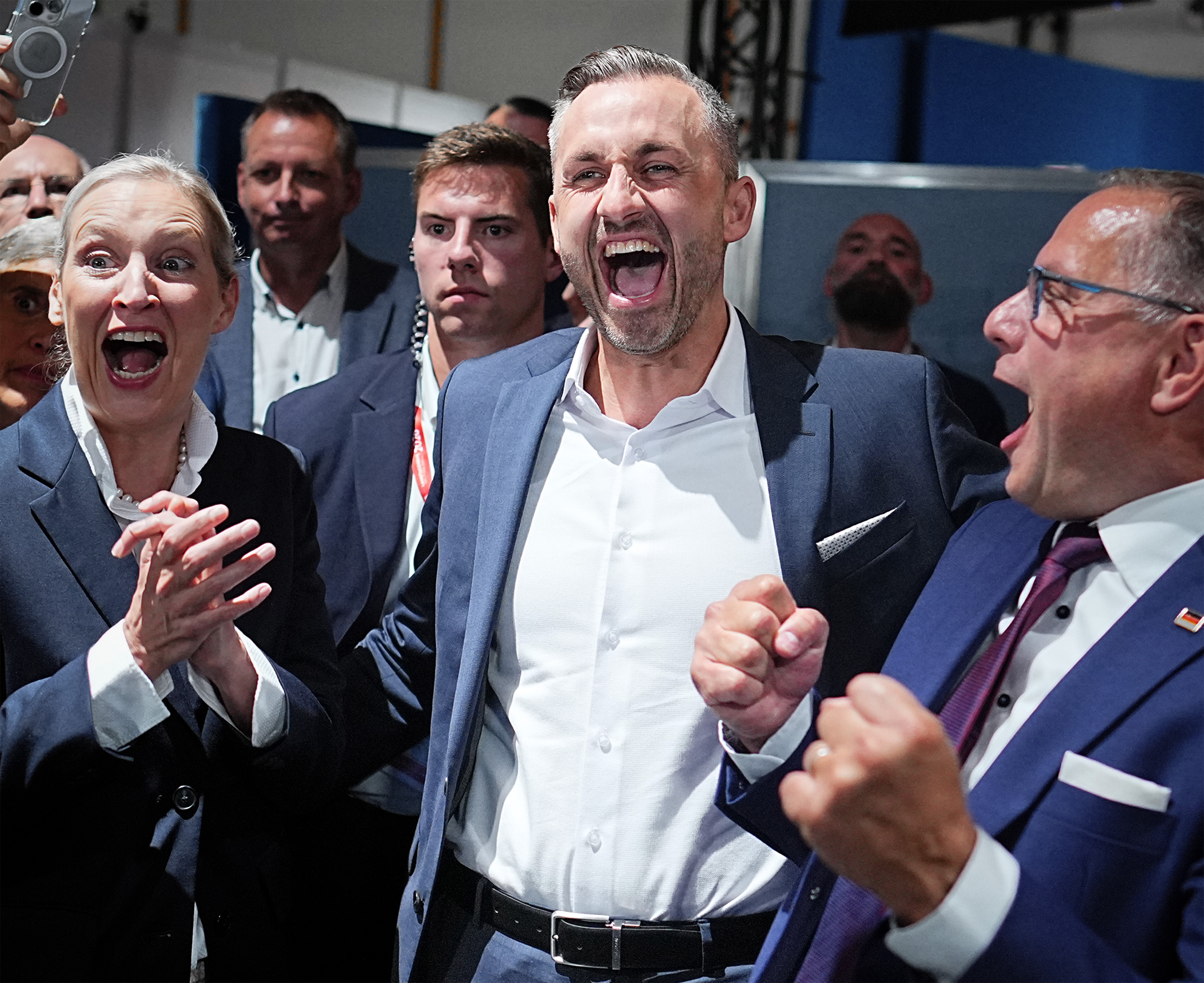
Provisional results from the Saxony-Anhalt election on Sunday 6 September show that AfD exceeded expectations by gaining 43.8% of the vote. Although its 39 seats leave it three short of an absolute majority, it was by far the most popular party, well ahead of the incumbent Christian Democratic Union (CDU).
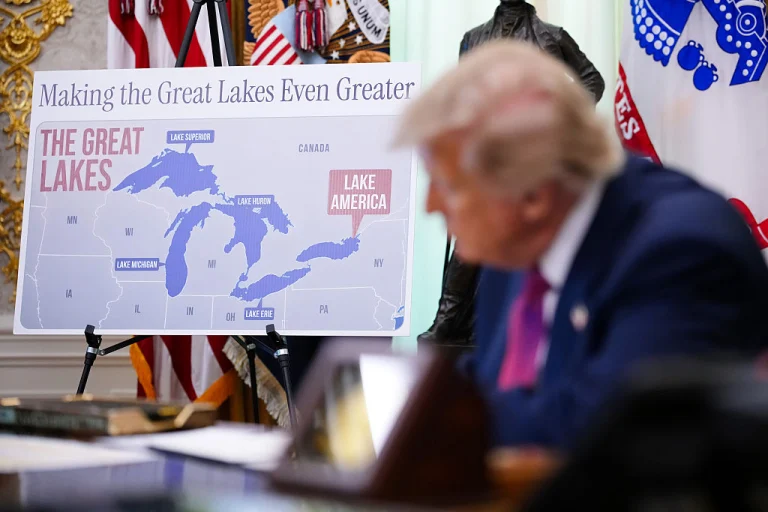
As news filtered through, President Donald Trump posted on his social media platform Truth Social a screengrab of a projected result showing AfD in the top position, indicating the leader of the free world’s interest in the election.
Meanwhile, the world’s richest man Elon Musk took to his platform, X, to congratulate AfD co-leader Alice Weidel on her party’s triumph, writing “Gut gemacht!” (“Well done!”).
With key elections across the continent upcoming in 2027 – including France, Spain and Italy – many right-wing leaders in Europe have expressed their hope that AfD’s election success augurs well.
The former Hungarian prime minister and thorn in the side of the liberal establishment Orban was particularly bullish, calling the result “huge” for Germany and Europe, before adding: “Buckle up. This is just the beginning!”
His sentiments were echoed by the leaders of some far-right parties in France and the United Kingdom. Éric Zemmour, leader of Reconquête, celebrated the collapse of the “cordon sanitaire” that sees mainstream parties try to lock out right-wing parties from power. Zemmour said the cordon “only delayed the hour of truth. That hour has come. And it will toll everywhere”.
In the UK, the leader of populist remigration party Restore Britain, Rupert Lowe, called AfD’s success “an inspiration for what Restore Britain can achieve”, saying that German patriots had made their voices heard.
In Italy, Austria and Spain, major right-wing forces all celebrated the result and the apparently “unstoppable momentum” for the right that it represents.
The Mainstream Despairs
For mainstream and establishment politicians and commentators, the manifestation of a result long predicted in the polls did not apparently temper their concern and fear.
Donald Tusk, the centrist Polish Prime Minister, was especially damning, calling any Poles who celebrate the Saxony-Anhalt result “idiots and traitors”, adding that many of these can be found in conservative parties like Confederation and Law and Justice (PiS).
For members of the French government led by Emmanuel Macron, AfD’s win is “a serious moment in Europe”, with Europe Minister Benjamin Haddad warning that “nationalism and xenophobia will never be a solution”.
Figures on the far left, including French presidential candidate Jean-Luc Mélenchon, were unsurprisingly vocal in their criticism of AfD – and also of the political mainstream for enabling its success.
In Brussels, fear about AfD’s likely win has been mounting for weeks. Just before the weekend vote, senior officials told Politico that national governments needed to work quickly to complete a budget for the bloc before more Euroskeptic parties gain ground.
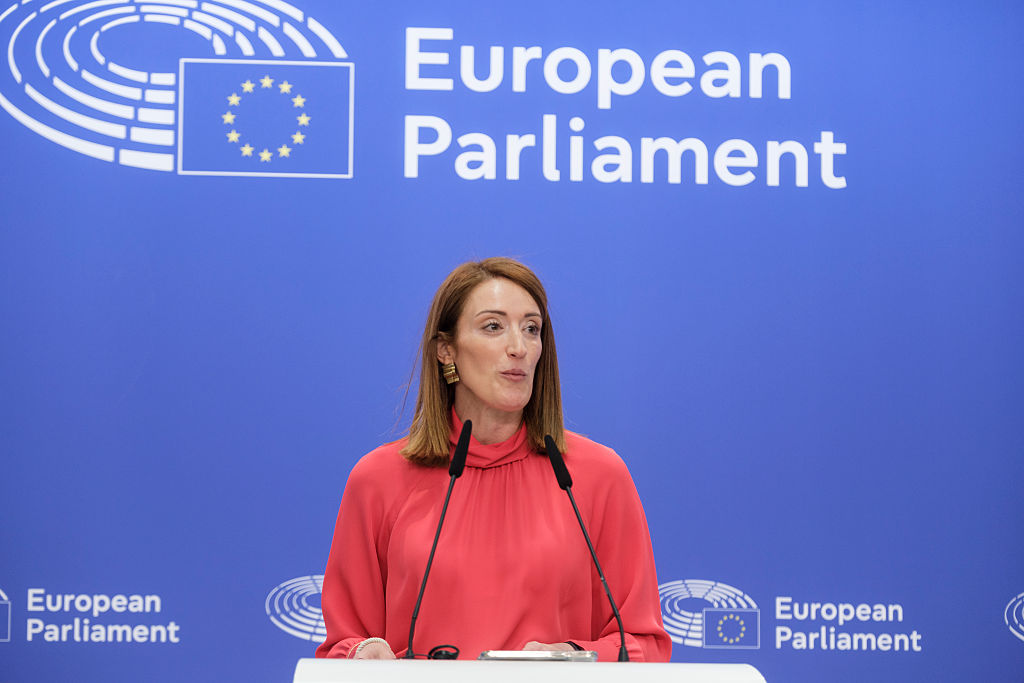
Meanwhile, there have been constant maneuvers in the European Parliament to break the connection between the Parliament’s largest grouping – the European People’s Party (EPP) – and right-wing groupings, including Europe of Sovereign Nations (ESN), home to most of AfD’s representatives in Brussels.
Fears are mounting that ESN and other far-right groups like Patriots for Europe will break through the cordon sanitaire and receive their first major positions, including vice presidencies.
Divisions on the Right
However, while many figures on the right are celebrating AfD’s success, some comments and surprising silences hint at divisions within the movement regarding the party’s radical approach.
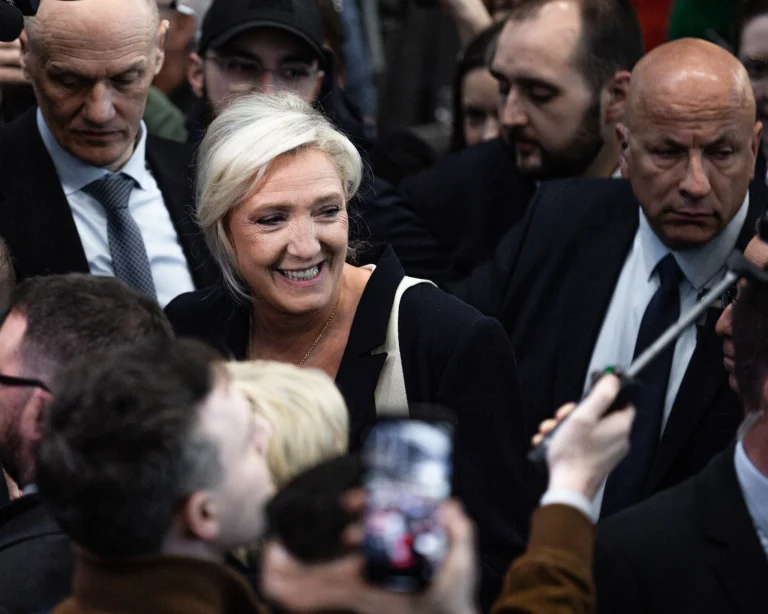
For instance, there has been little in the way of congratulation from within France’s hard-right Rassemblement National (RN), led by presidential candidate Marine Le Pen. The two parties have crossed swords previously, with Le Pen kicking AfD out of her grouping in Europe for being too radical, while her protege Jordan Bardella distanced his party from the German far-right over the summer.
Bardella, RN’s president, confirmed on Saturday that the party had no plans to resume an alliance with the AfD, although he did note the pressure the party’s success is placing on the mainstream.
Meanwhile, figures within Italy’s ruling conservative coalition, led by Prime Minister Giorgia Meloni, have issued contrasting responses to the news from Germany.
Italy’s Foreign Minister, Antonio Tajani, described the election result as “terrible news … because it concerns a political force that is antithetical to liberal and western values”.
But Deputy Prime Minister Matteo Salvini taunted “those on the left who stoked fears and catastrophic scenarios”, adding: “Fear? Terror? Danger? No, it’s called DEMOCRACY. Another Europe is possible.”
Meloni herself has not responded so far, although some commentators believe she is more in Tajani’s camp given her willingness to work with European officials and her transatlantic links.
However, regardless of these divisions, few are disputing the scale of the change underway in Germany and Europe more broadly.
With an intense cycle of national and regional elections coming up in Europe over the next year, this opening salvo has emboldened Europe’s resurgent right and laid down the gauntlet for the political establishment.