The AfD won Saxony-Anhalt by a wide margin but fell three seats short of an absolute majority. Whether it can take power remains uncertain: a handful of CDU lawmakers could still defect, or Ulrich Siegmund may have to reach an understanding with the left-wing socialists in the Sahra Wagenknecht Alliance.
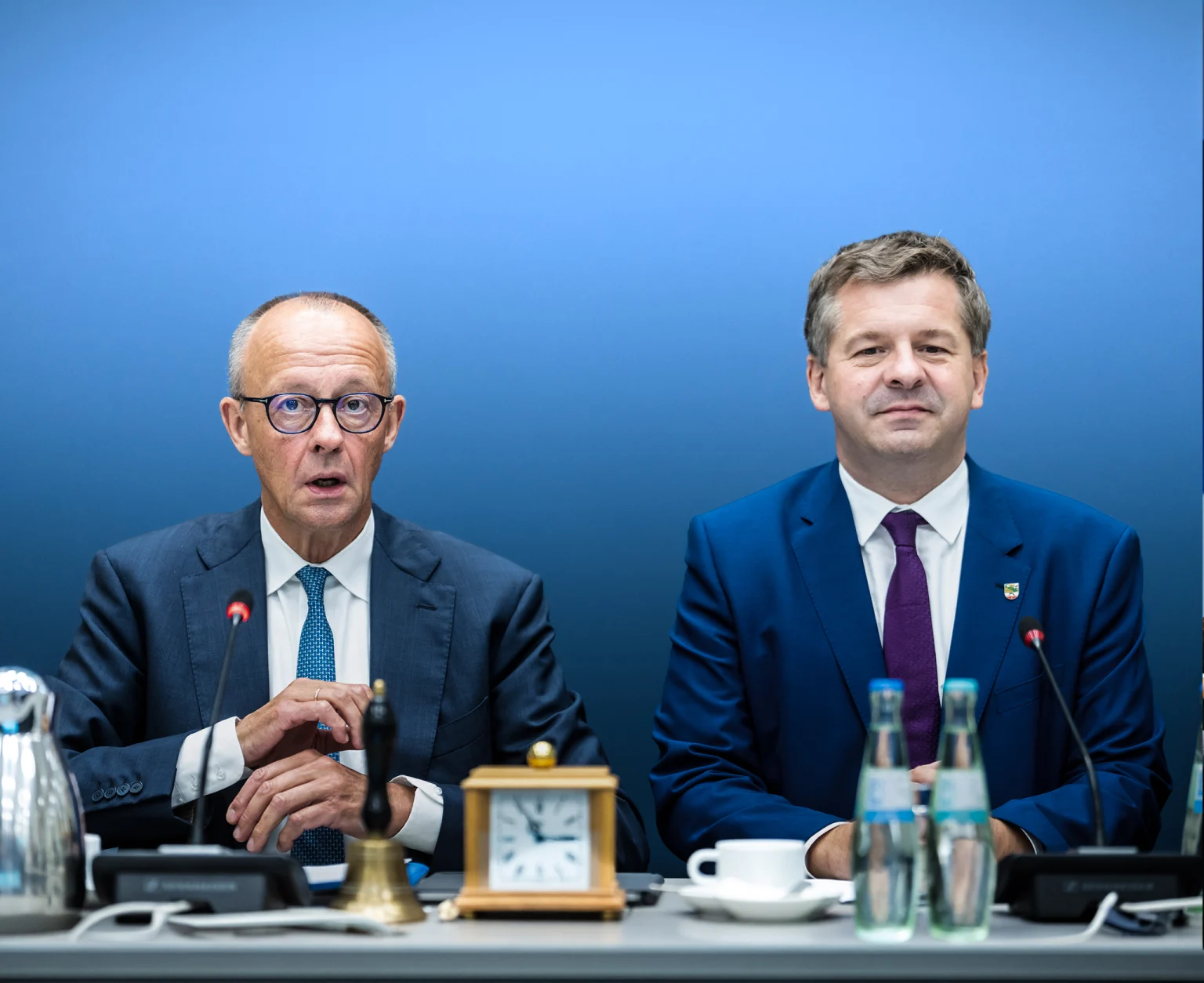
Chancellor Friedrich Merz and Saxony-Anhalt Minister-President Sven Schulze at a CDU leadership meeting in Berlin following the party’s historic defeat in the state election. Photo: Michael Kappeler/picture alliance via Getty Images
|
Incumbent Christian Democratic Union (CDU) Minister-President Sven Schulze conceded defeat, said his party would go into opposition and declared that the mandate to form a government now lay with the Alternative for Germany (AfD). In doing so, he formally abandoned any claim to put together an alliance of his own.
Chancellor Friedrich Merz appeared before the press at noon on Monday and, despite the historic defeat, insisted that his government would press ahead with its reforms. In any case, there is little time for a decisive change of direction within the CDU, with three more elections due in September alone.
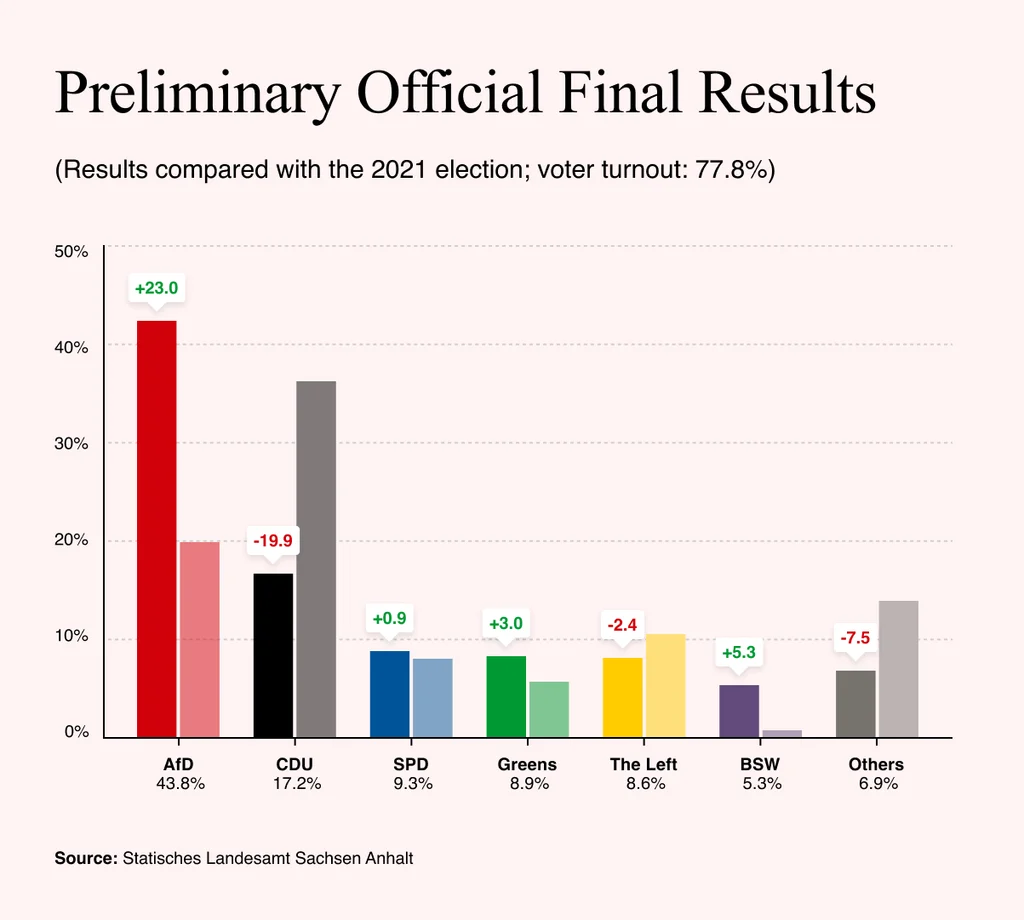
Source: Statistisches Landesamt Sachsen-Anhalt
The provisional result was not known until Monday morning. The AfD increased its share of the vote by 23 percentage points from 2021, more than doubling it. The CDU lost a full 19.9 points. The shift in power is even more striking in the constituencies. The AfD won 38 of the state's 41 directly elected seats, with additional members entering parliament from party lists based on each party's share of the vote.
The remaining three constituency seats went to The Left in Magdeburg and Halle. The CDU, which had won 40 of the 41 constituencies in 2021, failed to take a single direct seat this time.
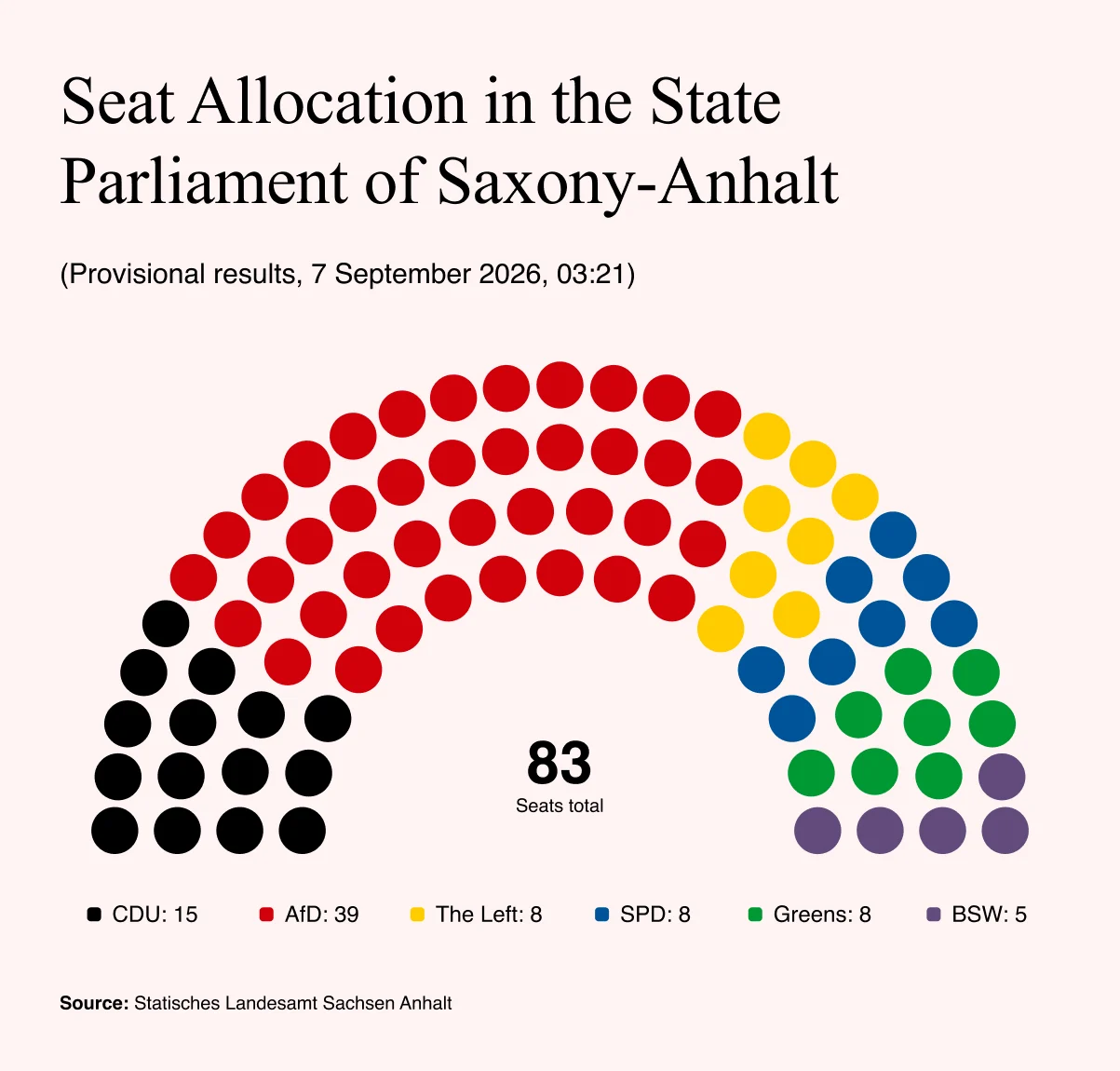
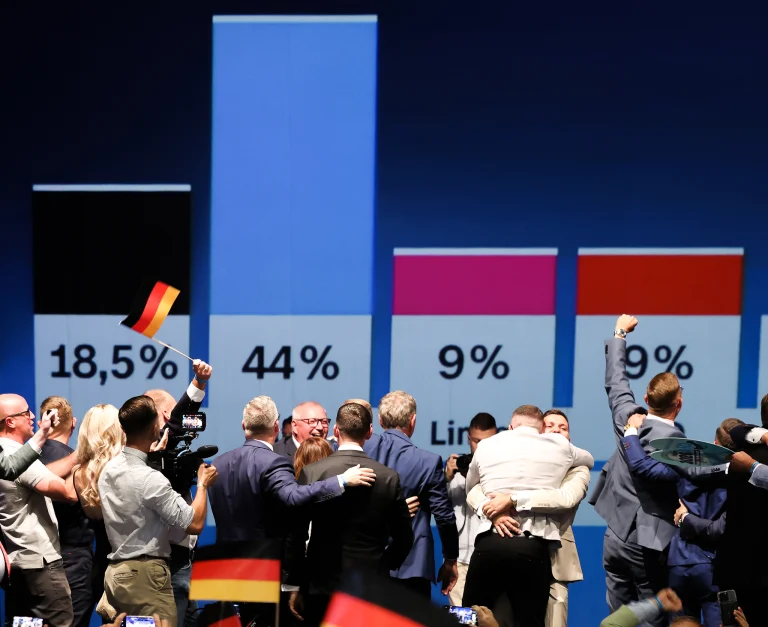
The AfD finished first by a wide margin in the Saxony-Anhalt state election with 43.8%, pushing the governing CDU down to 17.2%. According to the provisional official result, the AfD took 39 of the 83 seats in the state parliament, three short of the 42 required for an absolute majority and single-party rule. The Social Democratic Party (SPD) won 9.3%, Alliance 90/The Greens 8.9%, The Left 8.6% and the Sahra Wagenknecht Alliance (BSW) 5.3%.
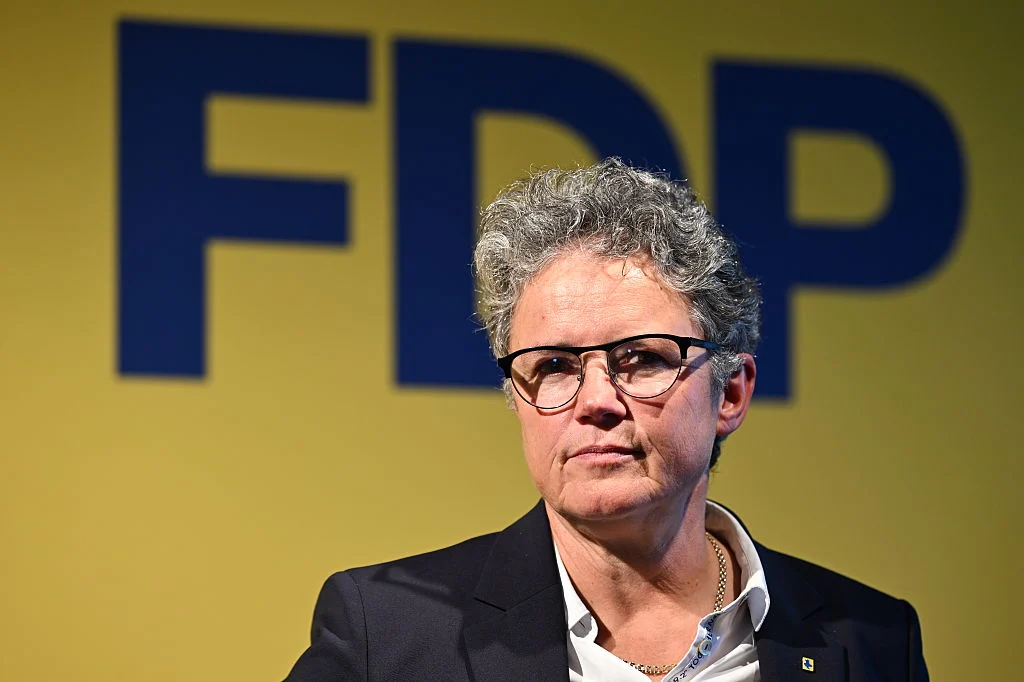
Lydia Huskens (FDP) announced her resignation as state party leader on election night. Photo: Hendrik Schmidt/dpa/picture alliance via Getty Images
The Free Democratic Party (FDP), on 2.6%, fell well short of the 5% threshold for entering the state parliament. It lost all its seats and will leave the legislature after just one term. State Party Leader and Lead Candidate Lydia Huskens announced her resignation on election night.
Turnout rose to a record 77.8%. Rarely has a state election mobilized voters to such an extent.
Siegmund Is Three Votes Short
AfD Lead Candidate Ulrich Siegmund emerged as the clear winner. He also comfortably won his own constituency of Genthin. In interviews on Sunday evening, he had already outlined a path to an AfD government and elaborated on it on Monday. The AfD, he said, would offer talks to other parliamentary groups as well as individual lawmakers. He would stand for election as minister-president once a stable majority was within reach.
Source: Statistisches Landesamt Sachsen-Anhalt
With 39 seats, Siegmund is three votes short of the absolute majority needed to elect him minister-president in either of the first two ballots.
If no candidate secures an absolute majority in the first two ballots, and the state parliament does not subsequently dissolve itself, a simple majority of the votes cast is sufficient in a third ballot. Defections or abstentions by individual lawmakers from other parliamentary groups could then prove decisive. All the other parties represented in the state parliament had ruled out a coalition with the AfD before the election.
At the same time, Siegmund set strict limits on cooperation with other parties or lawmakers. An AfD minister-president is, for him, a non-negotiable condition of any agreement. Core AfD positions, particularly on migration and internal security, would have to be implemented “100%”.
AfD Federal Co-Leader Tino Chrupalla appeared more willing to compromise. After the party fell short of an absolute majority, concessions might be necessary, he said.
The Fallout Reaches Berlin
The consequences extend to Chancellor Friedrich Merz's federal government. His CDU lost more than half its share of the vote in Saxony-Anhalt. The SPD improved slightly on its 2021 result but remains in single digits at 9.3%.
SPD Leader and Vice Chancellor Lars Klingbeil described the result on election night as a “signal to Berlin”. Merz on Monday called the defeat one of the CDU's worst in decades and said the result had changed not only Saxony-Anhalt but Germany. At the same time, he firmly backed Schulze.
Merz sees no reason for a substantive U-turn by the federal government. His determination to press ahead with reforms, he said, was “undiminished”. The government must, however, relate its reforms more closely to people's everyday lives and their economic and social concerns. The challenge is not simply to explain political decisions better. Merz argued that the reforms also needed a more compelling political “narrative” to give them coherence.
Merz wants to postpone a fundamental debate over the CDU's future direction until after the elections in Berlin and Mecklenburg-Vorpommern. He gave no indication that his own position was in question, instead stressing his responsibility and his determination to continue carrying it.
Merz and Schulze are therefore taking different approaches. Schulze has given up any claim to form a government and says the mandate belongs to the AfD. Merz is sticking to his reform agenda and putting the broader debate over political direction off for two weeks.
Siegmund also raised the prospect of fresh elections if no government could be formed. Speaking on public broadcaster ZDF, he said the AfD could then win “50 or 55%”.
Schulze drew a clear political conclusion from the defeat. “We no longer have a mandate to govern as the CDU. We are in opposition. The mandate to govern now lies with the AfD”, he said on Monday after consultations with the CDU leadership in Berlin.
In doing so, Schulze relinquished any claim to put together an alternative government without the election winner. He says what happens next in Saxony-Anhalt is a matter for the newly elected state parliament.
Schulze also signaled that there could be consequences for his own position. He intends to put a proposal to the CDU state executive on how to proceed following the election result but did not say what this might mean for him personally.
The Junge Union (JU), the youth wing of the CDU and its Bavarian sister party, the Christian Social Union (CSU), is calling for the resignation of the entire CDU state leadership. Former Education Minister Eva Feussner has also urged Schulze to step down. Until a new minister-president is elected, Schulze remains in office in a caretaker capacity unless he resigns.
Five Seats Put the BSW in the Driving Seat
Meanwhile, the smallest parliamentary group could decide who governs. The BSW narrowly cleared the threshold with 5.3% and will hold five seats. The CDU, SPD, Greens and Left together have 39 seats, exactly as many as the AfD. The BSW's five votes would therefore be needed for all the other parties to secure a majority against Siegmund.
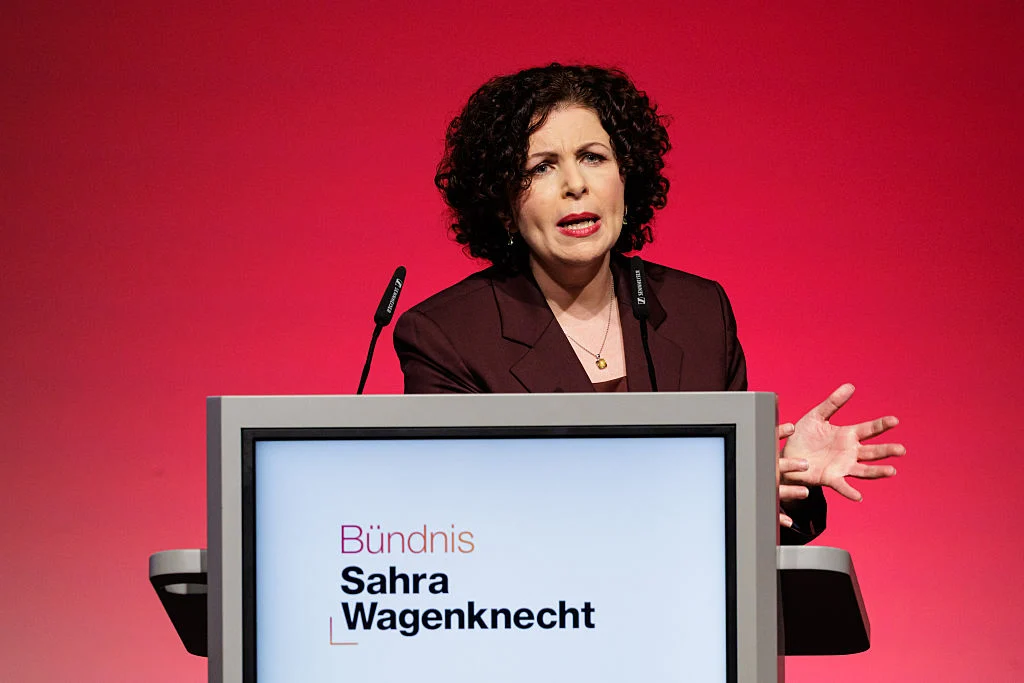
The BSW has so far said it will vote for neither Siegmund nor Schulze as minister-president. BSW Co-Chair Amira Mohamed Ali has instead proposed a broadly respected non-partisan figure to head a government that would work with shifting majorities in parliament. Siegmund categorically rejects such an arrangement. Either he becomes minister-president or the AfD will take no part in such negotiations.
Amira Mohamed Ali, co-leader of the Sahra Wagenknecht Alliance, said she would vote for neither Sven Schulze nor Ulrich Siegmund as minister-president. Photo: Jens Schlueter/Getty Images
BSW Lead Candidate Thomas Schulze also said on Monday that his parliamentary group would abstain in a possible third ballot if Siegmund stood. Since only a majority of the votes cast would then be required, this could indirectly make it easier for Siegmund to be elected minister-president without the BSW openly voting for him.
A conventional majority government without the AfD would be mathematically possible only through an alliance of all five remaining parties. The CDU, SPD, Greens and Left would still need the BSW.
A federal CDU party conference resolution, however, rules out coalitions and similar forms of cooperation with both the AfD and The Left. The Left emerged in part from the Party of Democratic Socialism, the successor to East Germany's ruling Socialist Unity Party (SED).
The SPD has already called on the CDU to reconsider its stance toward The Left to clear the way for a broad alliance of all the other parties against the AfD. In such a coalition, the CDU would still be the largest party and could therefore claim the post of minister-president. Sven Schulze's declaration that the CDU now sees itself in opposition makes such a five-party solution even less likely.
Three More Elections Loom
The pressure on Merz and the CDU does not end with Saxony-Anhalt. The electoral calendar offers no respite. Local elections will be held in Lower Saxony on 13 September. On 20 September, Berlin will elect its House of Representatives, the capital's state parliament, while Mecklenburg-Vorpommern will hold its state election.
Mecklenburg-Vorpommern in particular will be the next test. In the latest Infratest dimap poll, the AfD leads on 35%, ahead of Minister-President Manuela Schwesig's SPD on 32%. The Left is on 11%, the CDU just 8%. The Greens stand at 5% and the BSW at 4%.
The balance of power in Berlin is also wide open. The latest Infratest dimap poll puts the CDU on 21%, The Left on 19% and the AfD and Greens on 18% each. The governing mayor's SPD stands at just 11%.
The AfD's victory in Saxony-Anhalt will therefore be followed by three more elections within two weeks. Meanwhile, in Magdeburg, the search for a government begins.
Welcome to the comments section of the Štandard daily. Please take note of our guidelines, comments are moderated by us. You can contact the moderators at support@statement.com.
Participate in the discussion
Comments are available to subscribers only. If you'd like to join the discussion, choose a subscription starting at €6.72 per month.
All comments 0
Register
Comments are available to registered users only. If you'd like to join the discussion, register here.