Fireworks and Homophobic Abuse
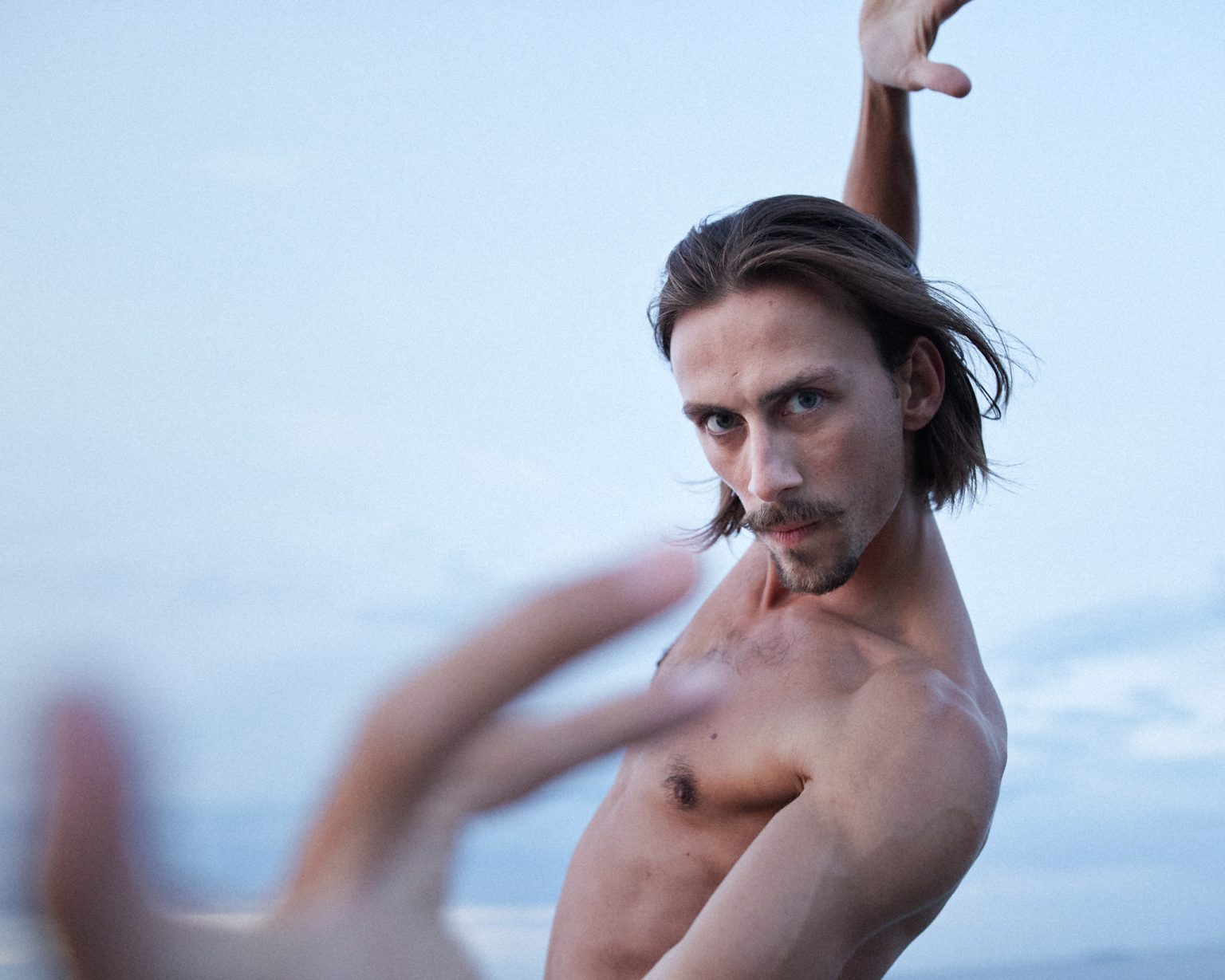
According to an account reported by Le Progrès, however, the atmosphere was tense from the moment the artists arrived. The two dancers and the composer, accompanied by two volunteers, were subjected to insults, some of which were homophobic in nature. The situation then escalated as fireworks were set off. One, launched from a building, exploded right next to the composer, who was providing live commentary on the performance. His computer was destroyed and he suffered hearing damage. In total, about ten fireworks were set off.
The artists were ultimately forced to flee the square amid the barrage. Francesco Colaleo and Maxime Freixas described the incident as extremely violent and said they remain deeply shocked.
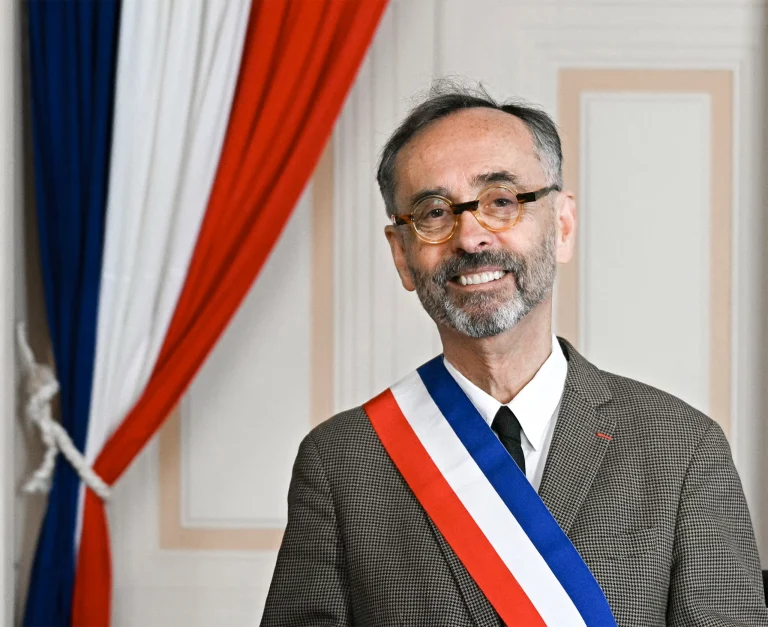
The mayor of Lyon, Green Party member Grégory Doucet, issued a statement condemning “in the strongest possible terms these extremely serious acts”. He emphasized that the city “will remain uncompromising in the face of all forms of hatred and will continue its commitment to an open, inclusive and respectful city”.
The Muslim Factor
This carefully worded language frames the attack in general terms without seeking to determine who was responsible for the insults and violence.
La Duchère is a neighborhood in Lyon’s 9th arrondissement that has been profoundly shaped by several decades of urban renewal. Built in the 1960s to address the housing crisis and to house returnees from Algeria – and, more broadly, immigrants from the Maghreb – it has long been characterized by its large housing complexes, a high concentration of public housing and socioeconomic challenges. In the so-called priority neighborhood – a disadvantaged area targeted by urban renewal policies – nearly 75% of housing is public. Recent statistics estimate that about 30% of the population is of immigrant origin.
The incident on 1 August thus takes on a particular significance: a cultural event designed to engage residents – held in a public space and in a neighborhood that has long been the focus of urban renewal and social cohesion policies – was disrupted by hostile behavior and fireworks. Given the demographic makeup of La Duchère, this situation is hardly surprising: a dancing duo, even if not actively involved in the LGBT movement, is likely to be seen as offensive by members of the largely Muslim local community.
This phenomenon extends far beyond the unfortunate incident in La Duchère. The rise in hostile behavior toward gay people over the past several years – particularly insults and physical assaults – has been noted, though the causes of this increase have never been clearly identified. According to statistics from the Ministry of the Interior, recorded anti-LGBT offenses increased by an average of 13% per year between 2016 and 2024. The perpetrators of these offenses are predominantly men under the age of 30.
Official statistics do not identify the perpetrators’ ethnic, religious or immigration background. But there are other perspectives. A 2019 Ifop survey commissioned by the government’s interministerial delegation against racism, antisemitism and anti-LGBT hatred found a striking disparity based on religious affiliation: 63% of Muslim respondents considered homosexuality to be either a disease or a sexual perversion, compared with 14% of Catholics and 10% of respondents with no religious affiliation.
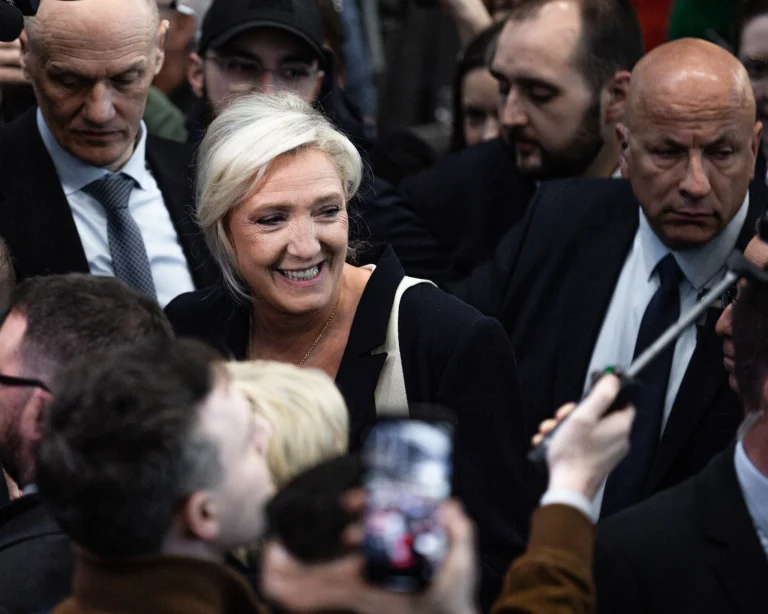
For several years now, the Rassemblement National (RN) has argued that there is a link between immigration and the resurgence of attacks against gay people.
The ride-hailing sector, both in Paris and elsewhere in France, is a particularly striking example. Several cases have implicated Uber drivers in attacks against gay people. A large number of drivers are of North African origin, with family roots in predominantly Muslim countries.
Recent election results show that a growing portion of the LGBT community is voting for the RN or the nationalist right in general, primarily for reasons related to immigration and security.