A Pragmatic Foreign Policy
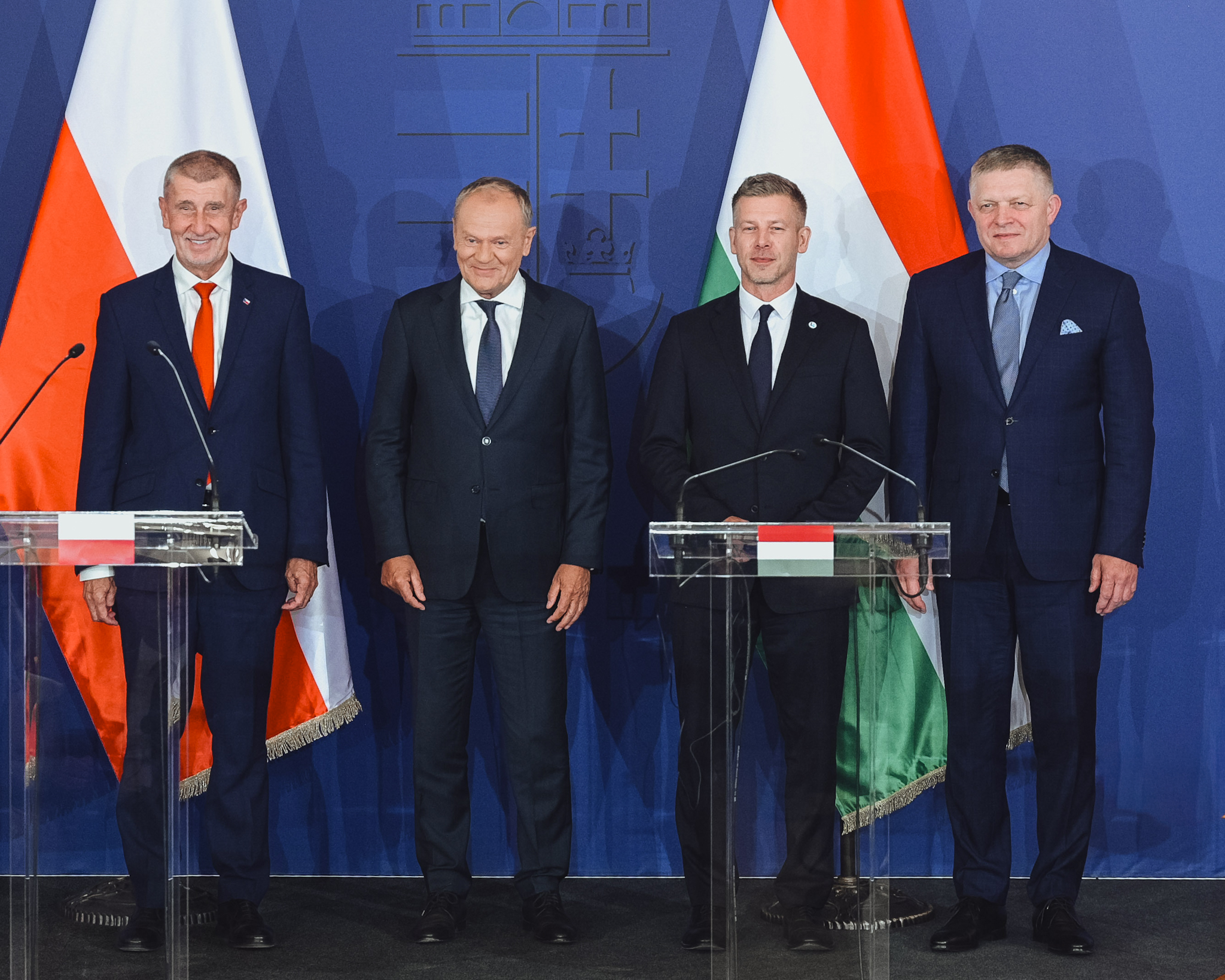
Magyar devoted much of his first weeks in office to foreign affairs, and one achievement stands out. His government secured the release of €16.4bn in EU funding that had been frozen during Orban's premiership over concerns about the rule of law.
The change in government was warmly welcomed in Brussels after years of frequent clashes with Orban. Yet the thaw in relations reflects more than a simple change of tone. Magyar has adopted a more constructive and conciliatory approach toward the EU while largely preserving Hungary's core national positions.
He withdrew Orban's veto on opening EU accession talks with Ukraine, but at the same time resisted efforts to fast-track Kyiv's membership – a position that disappointed President Volodymyr Zelensky. As a result, Ukraine's accession timetable remains uncertain.
Hungary has also maintained its refusal to allow weapons shipments to Ukraine through its territory and continues to opt out of the EU's multibillion-euro financial support package for Kyiv.
Pro-European, but Protective of Sovereignty
Magyar has taken a similarly cautious approach to migration.
He has made clear that Hungary will not accept illegal migrants or participate in compulsory relocation schemes under the EU Migration and Asylum Pact. On this issue, his position differs little from Orban's, but at the same time, he has avoided direct confrontation with Brussels.
That balance reflects public opinion. Hungarians are deeply attached to their national sovereignty and remain wary of excessive centralization within the European Union. Yet they are also overwhelmingly pro-European.
Hungary's thousand-year statehood began with its Christianization and integration into European civilization. For many Hungarians, national identity and European identity are complementary rather than contradictory.
In recent years, some voters felt that Orban's repeated conflicts with Brussels risked portraying the EU solely as an adversary. Magyar's more measured style appears designed to address those concerns without abandoning Hungary's national interests. So far, the strategy has proved politically effective.
Far More Confrontational at Home
If Magyar has pursued compromise abroad, his approach to domestic politics has been markedly different.
His government has moved aggressively against institutions associated with the previous administration, prompting growing concern among legal experts and political observers about the resilience of Hungary's democratic institutions.
One of the most controversial steps was the removal of President Tamas Sulyok. Although Sulyok had been elected by parliament in 2024 to a five-year term, TISZA passed a constitutional amendment on 13 July declaring his mandate terminated.
The move followed months of political attacks in which Magyar accused Sulyok of bearing responsibility for Orban's policies, despite the president's largely ceremonial constitutional role and the fact that he had entered office under Hungary's existing legal framework.
Retroactive Limits on the Opposition
The same constitutional amendment introduced a retroactive 12-year term limit for members of parliament. As a result, more than half of the current opposition MPs would be barred from standing in the next election.
Comparable restrictions are rare in established parliamentary democracies. None of TISZA's 141 MPs would be affected, since all entered parliament for the first time in 2026. Given those circumstances, critics argue that the measure amounts to a deliberate weakening of the parliamentary opposition.
The "Lex Orban"
Shortly after taking office, Magyar introduced another constitutional amendment limiting future prime ministers to two terms, or a maximum of eight years in office. The limit applies retroactively to 1990, effectively preventing Viktor Orban from ever returning as prime minister.
Magyar argues that voters gave him a broad mandate to reshape Hungary's political system. Nevertheless, the constitutional changes have raised serious questions about the rule of law that cannot easily be dismissed. Sooner or later, the European Union is likely to take a position. The Council of Europe's Venice Commission has already visited Hungary and is expected to issue a legal assessment of the reforms.
A Government Still Taking Shape
Many observers continue to ask why Magyar has pursued reforms that appear difficult to reconcile with his stated goal of renewing Hungarian democracy after 16 years of Fidesz rule. At the same time, he has been in office for only a little more than two months.
His rapid rise to power has made him one of Europe's most closely watched political leaders. Whether his combination of pragmatism abroad and confrontation at home proves sustainable will become clearer in the months ahead.