Trump Administration Quietly Redefines Embryos as Children
Federal documents from the Trump administration that recognize embryos as children could lay the groundwork for the victory pro-life advocates have long sought.
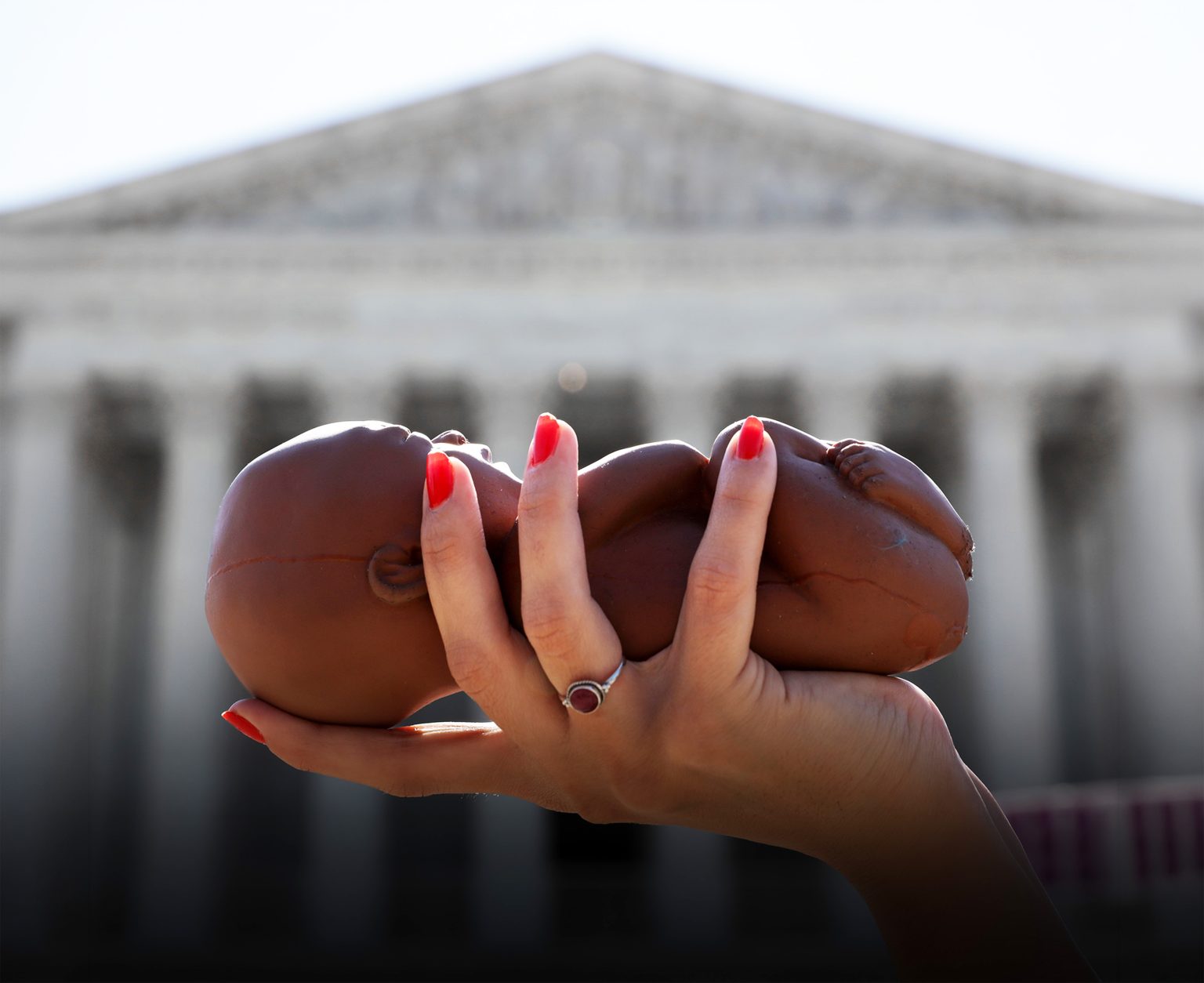
Recognition of the personhood of the unborn could lead to a constitutional protection for unborn children. Photo: Alex Wong/Getty Images
|
President Donald Trump's second term has been a mixed record for pro-life advocates, but his administration's push to recognize the personhood of embryos in a federal grant program could carry far-reaching implications for the right to life of the unborn.
Pro-abortion advocates fear, and pro-life proponents hope, that an updated funding document for the Embryo Adoption Awareness and Services (EAA) program, released in June, could lay the groundwork for a Supreme Court case establishing constitutional protections for the unborn, after it referred to frozen embryos as "children who already exist".
The EAA documents are the latest in a series of steps taken by the Trump administration consistent with a fetal personhood framework. These include an executive order defining sex as determined at conception and the classification, by officials at the United States Agency for International Development (USAID), of birth control pills and hormonal implants as abortifacients.
To understand the significance of these moves, it is worth returning to the original Roe v. Wade ruling in 1973, which established federal protections for abortion. In the majority ruling, the Supreme Court justices noted that the case for so-called abortion rights would "collapse" if unborn children were recognized as persons under the 14th Amendment, with a constitutional right to life.
Pro-life advocates have since tried to establish that constitutional personhood begins at the moment of conception, with little success. Efforts launched in Congress and at state level have failed, and 56% of US voters oppose laws declaring that human life begins at conception, despite the overwhelming scientific evidence supporting this view.
As a result, the bid to extend recognition of personhood to unborn children has failed to gain sufficient ground, with pro-life groups themselves divided on how to approach the issue.
Discarded Embryos and the Rise of IVF
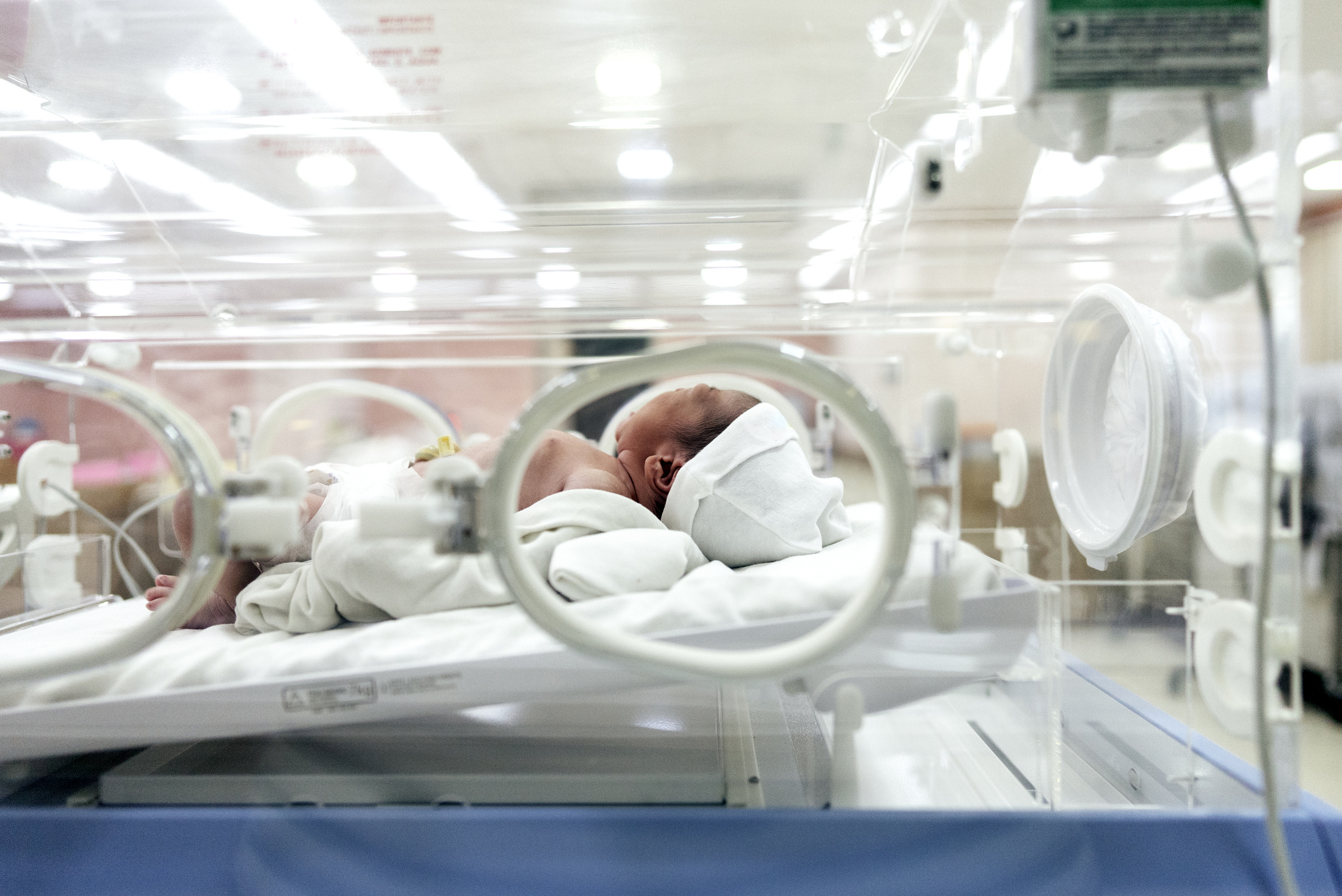
However, as in vitro fertilization (IVF) became more popular in the 1990s, it forced the question back into public view, with debate over the use of discarded human embryos in scientific research drawing national attention.
It was against this backdrop that embryo adoption services were established in 2002 under President George W. Bush, following successful lobbying by Christian groups such as Nightlight Christian Adoptions.
The EAA was largely symbolic, however, since under US law embryos remain officially donated rather than adopted, as states do not classify embryos as children under adoption law.
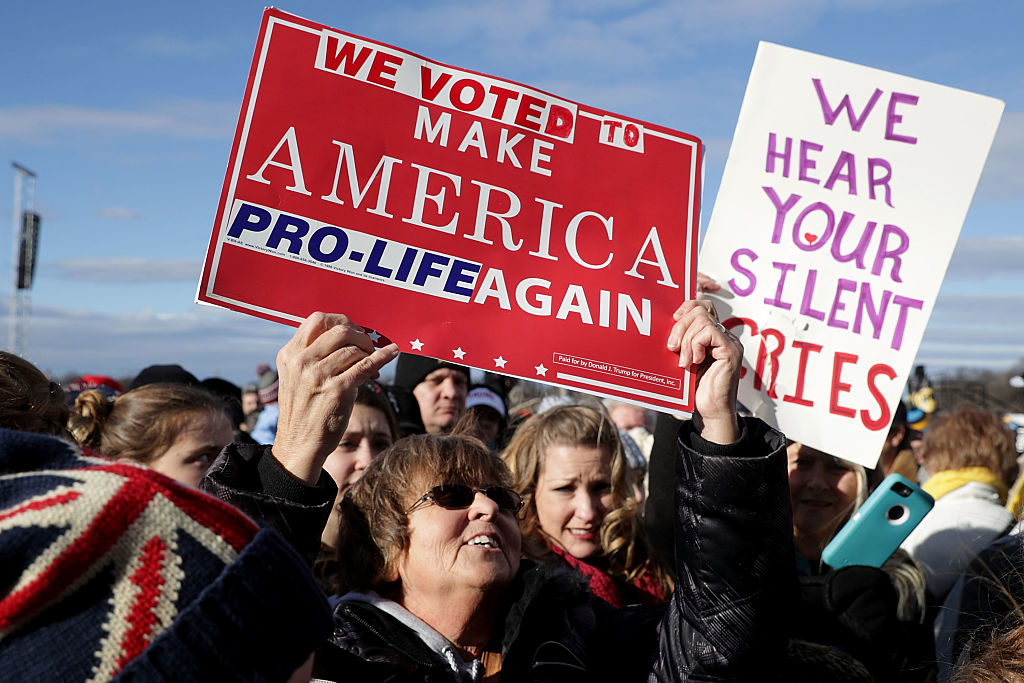
Some pro-life commentators praised Vice President JD Vance's appearance at the 2025 March for Life; others criticized his stance on mail-in abortions.
Instead, parents who no longer intended to use their frozen embryos transferred ownership through contracts and consent forms to would-be parents.
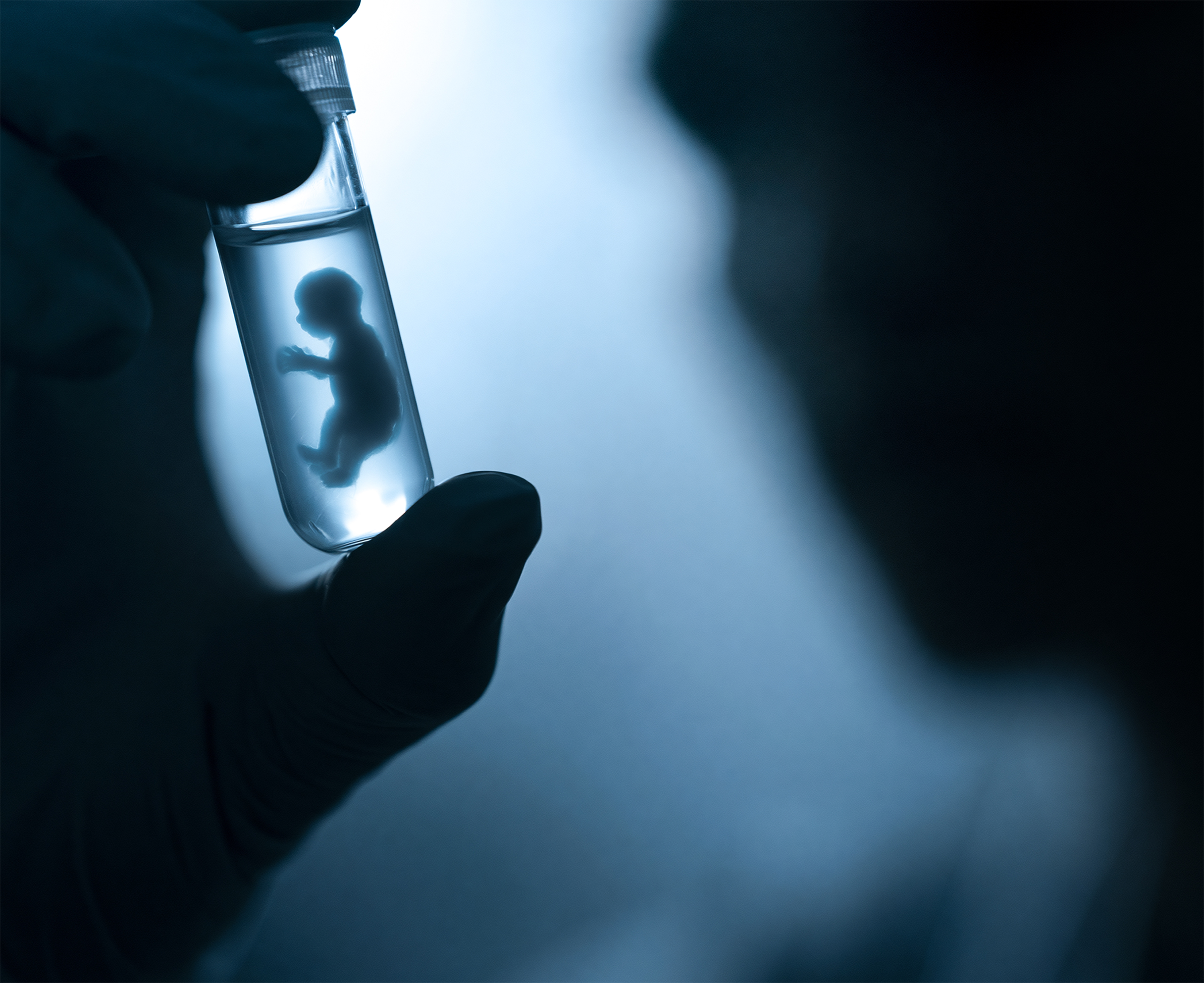
The lack of legal recognition of personhood also paves the way for discarded embryos to be used in scientific research or to be destroyed outright.
Until Trump's second term, it was only among a small network of agencies, nonprofits and church bodies that embryos were seen as children and adopted to save lives. These programs require home studies to assess prospective parents and encourage donors and recipients to get to know each other, rather than remaining anonymous.
The Legal Landscape After Dobbs
However, the 2022 Dobbs ruling, which overturned the federal constitutional right to abortion, has been followed by a wave of lawsuits and bills at state level. Combined with changing language in federal documents, these have worried pro-abortion and pro-IVF advocates while emboldening the pro-life movement.
For instance, in 2024 the Alabama Supreme Court, which consists of nine Republicans, ruled that the state's wrongful death statute applied to embryos. However, the Republican-led Alabama legislature immediately stepped in to protect IVF providers from legal liability.
More recently, a pro-life ministry, Voice for the Voiceless, sued seven Utah fertility clinics in April this year, arguing that their disposal of embryos violates the state's wrongful death law. Utah is one of four states with both a fetal personhood law and a civil wrongful death law, giving pro-life advocates confidence in their case.
Meanwhile, the debate around legal personhood has come to the fore in state bans on abortion, as well as in pro-IVF legislation being considered in a number of Democrat states.
Personhood Gains a Federal Foothold
This makes the change at the federal level all the more notable. The Trump administration has generally shown favorable attitudes toward IVF, to the disappointment of the pro-life community, which makes the strengthening of language in EAA documentation a significant step.
The June grant notice from the Department of Health and Human Services (HHS) repeatedly refers to frozen embryos as "children who already exist" and frames the program around the "well-being and best interests of the child".
The words "child" or "children" appear almost 40 times in the document in reference to frozen embryos, alongside explicit references to embryo "rights".
This marks a major shift from previous grant notices, including the most recent ones from 2017 and 2021, which focused on the needs of couples rather than the rights of unborn children.
Pro-abortion advocates fear that embedding child welfare and rights language in the federal grant framework, combined with a growing body of administrative and policy authority, will make fetal personhood arguments more viable in court over time. This could eventually pave the way for a Supreme Court challenge that, if successful, would have significant implications for the availability of abortion and IVF, potentially laying the groundwork for constitutional protection of the right to life of the unborn.
The Trump administration's record on the abortion pill and IVF may be mixed, but it could yet deliver the victory the pro-life movement has been pursuing for decades.
Welcome to the comments section of the Štandard daily. Please take note of our guidelines, comments are moderated by us. You can contact the moderators at support@statement.com.
Participate in the discussion
Comments are available to subscribers only. If you'd like to join the discussion, choose a subscription starting at €6.72 per month.
All comments 0
Register
Comments are available to registered users only. If you'd like to join the discussion, register here.