The Dutch Association for Gynaecology and Obstetrics (NVOG) estimates that around 225 women a year find themselves in such a situation – a negligible figure, given the major ethical issues at stake. For the professional organization, the alleged gap in healthcare provision must be addressed so that the women can be treated in their own country. Several hospitals across the country are now reportedly considering following the OLVG’s example.
What About the Viability Threshold?
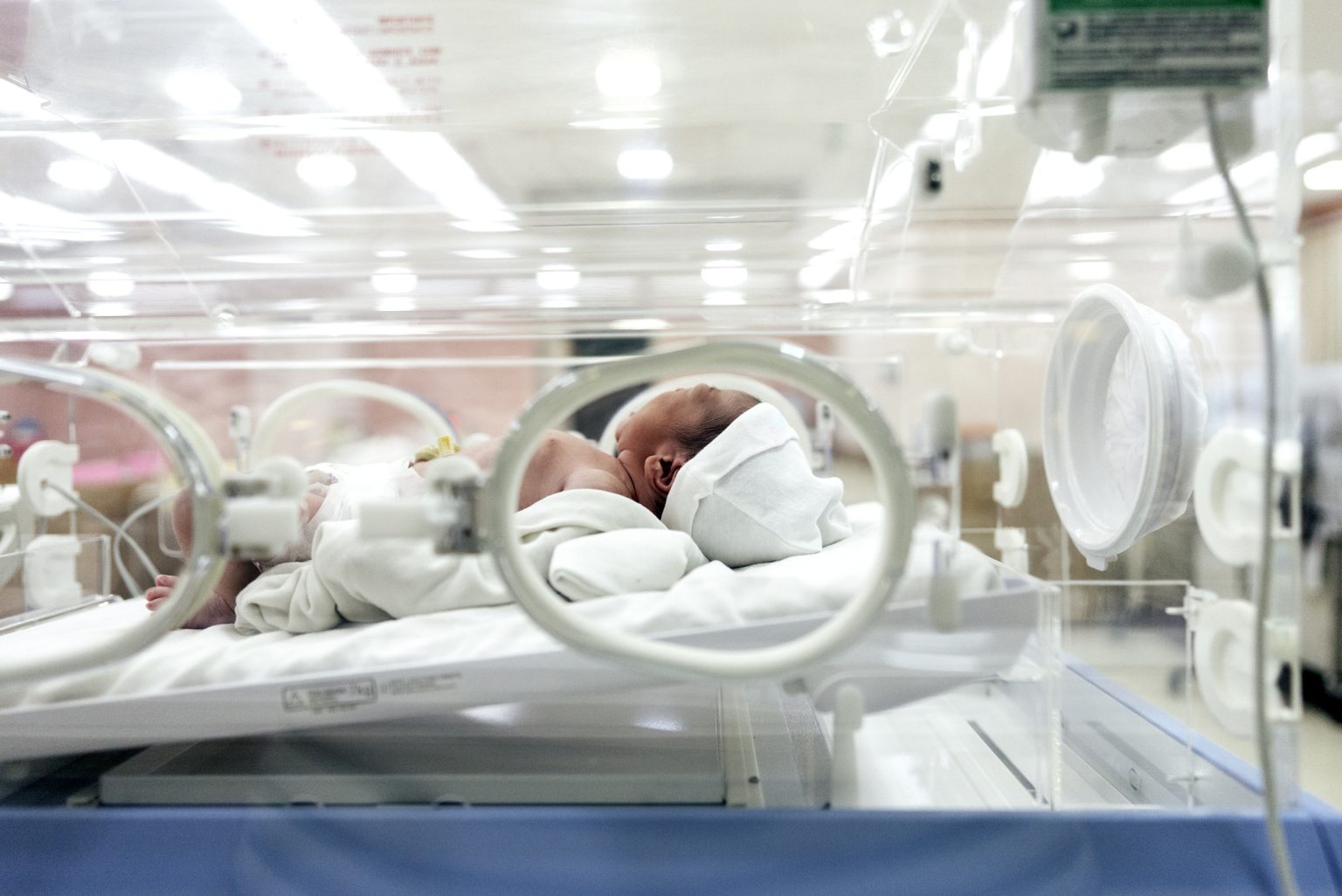
The issue is particularly sensitive given the advanced stage of pregnancy. In the Netherlands, as in many other Western countries, the viability of a premature baby is generally considered to be around 24 weeks’ gestation. Advances in neonatal medicine now mean that some very premature babies born at this stage, or even slightly earlier, can survive with appropriate care.
In the United Kingdom, a baby was born in February at 22 weeks, weighing just 555 grams. The baby survived. In 2024, a baby born at 21 weeks in the United States, weighing 285 grams, also survived: the child is doing well, turned two and has been entered into the Guinness World Records.
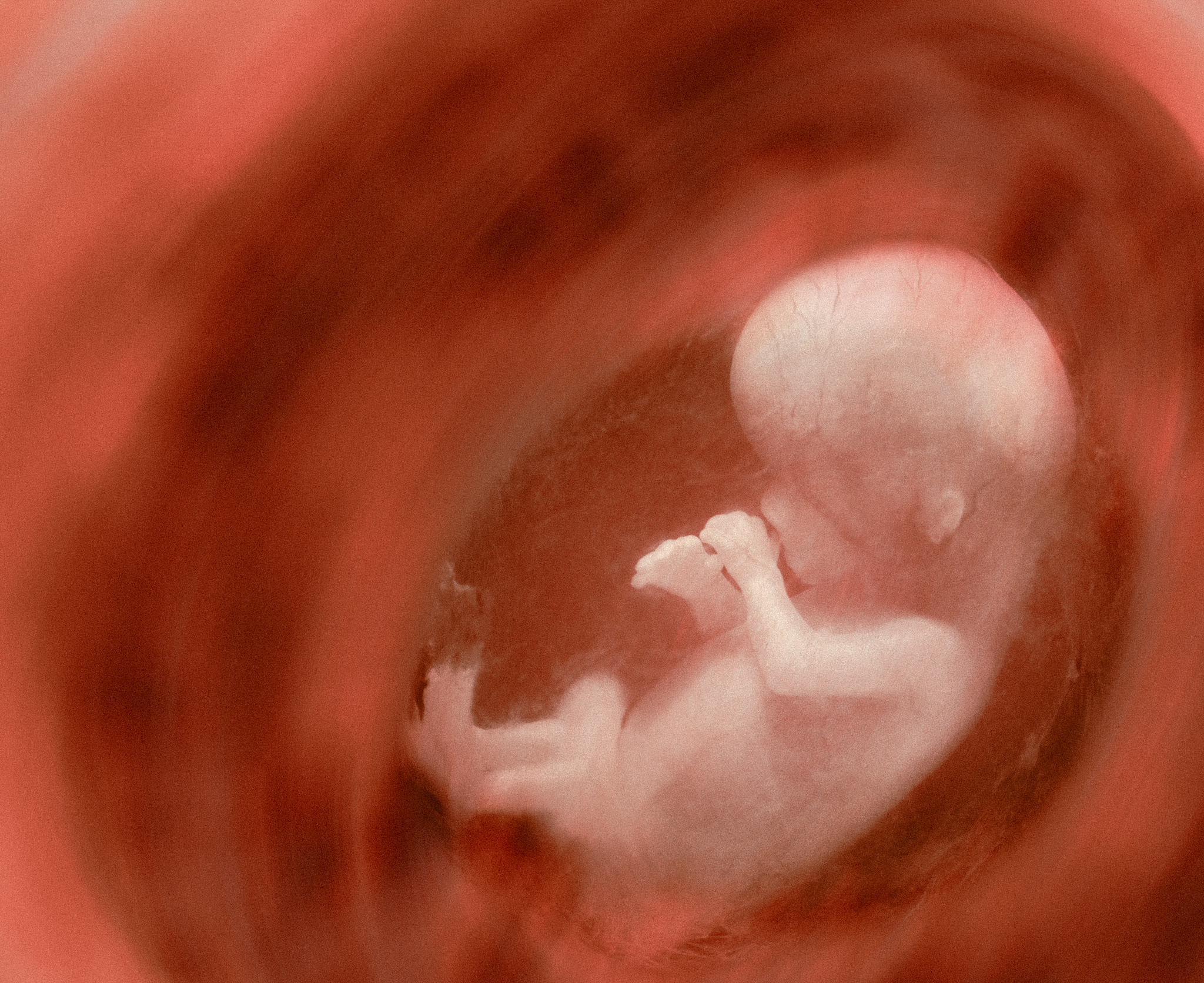
According to the NVOG itself, it is “not uncommon” for a fetus to still show signs of life during a termination carried out between the 22nd and 24th weeks, a prospect that easily explains the reluctance among some medical staff. The professional association acknowledges that abortions at this stage represent a “significant emotional burden” for hospital teams, particularly in maternity wards where healthcare workers have specifically chosen their profession to support births.
In preparation for the trial, the OLVG has organized several ethical reflection sessions bringing together doctors, abortion specialists and ethicists. Staff taking part in the trial will be able to invoke an individual conscience clause, although the hospital maintains that the institution as a whole has an obligation to provide the care. For some doctors, however, the proposal is quite simply unthinkable: it amounts to nothing less than killing fully formed, viable babies.
A Change Presented as a Matter of Access to Care
The Dutch Ministry of Health supports the approach, arguing that it is primarily about improving access to care that is already permitted under the current legal framework.
Dutch law officially sets the limit for abortion at 24 weeks. In practice, very late terminations remain rare. In 2024, the country recorded more than 39,000 abortions, including 331 between the 22nd and 24th weeks. However, the authorities do not distinguish between medical and social grounds in the figures, making it difficult to assess the phenomenon accurately.
For the project’s proponents, the main aim is to prevent particularly vulnerable women from being forced to travel abroad during an already trying time. The OLVG Hospital emphasizes that these situations concern a very limited number of patients and that the aim is to offer them “appropriate” care “close to home”.
Political and Ethical Opposition
The announcement of the pilot scheme provoked a strong reaction from the SGP, the Dutch Protestant party, which is fiercely opposed to abortion. Its MP, Diederik van Dijk, said he was “dismayed” to learn that the project had been launched without any real parliamentary debate. In his view, it is also unclear whether the plan complies with the recommendations of gynecologists and hospitals. “With this drastic expansion of abortion, the boundaries of criminal law are literally being pushed back. Yet no serious political or societal debate has ever taken place regarding the moral, legal and practical issues raised. This unethical development must therefore be stopped immediately!”
The SGP criticizes the government for allowing hospital practices to evolve without democratic consultation on an issue that directly concerns the definition of the threshold for the protection of human life. The party has put a series of questions to the Minister for Health, seeking to ascertain, in particular, whether certain hospitals would eventually be compelled to carry out the procedures, how frequently they would be performed and what protocols would govern them.
Beyond religious objections, several bioethics specialists also highlight the unease caused by the development. Stef Groenewoud, professor of health ethics at Utrecht Theological University, acknowledges the difficulty of the situation: he considers it regrettable that women are forced to travel abroad, while noting that performing such late-term abortions in maternity wards represents a profound shift from the mission traditionally undertaken by these institutions – to welcome life.
A Broader European Trend
The Dutch debate forms part of a wider context of the gradual redefinition of abortion policies across Europe. Several countries have recently extended the legal time limits or made access to abortion easier, while constant advances in neonatal medicine are continually pushing back the limits of survival for extremely premature babies.
The development is highlighting a growing tension between two opposing viewpoints. On the one hand, advocates of expanding reproductive rights believe that women must be able to retain their freedom of choice up to the limit set by law, regardless of the circumstances that led to a late-term unwanted pregnancy. On the other hand, opponents argue that an approach based solely on the mother’s autonomy becomes, more than ever, impossible to defend when the fetus approaches the threshold of viability.