Why the Murder of Marius Dick Could Change Germany's Deportation Policy
Germany has seen a series of fatal attacks committed by migrants without prompting a major shift in migration policy. The killing of 22-year-old student Marius Dick, however, may prove different. His mother is a CDU politician, his family is demanding deportations and Chancellor Friedrich Merz has already rung them personally.
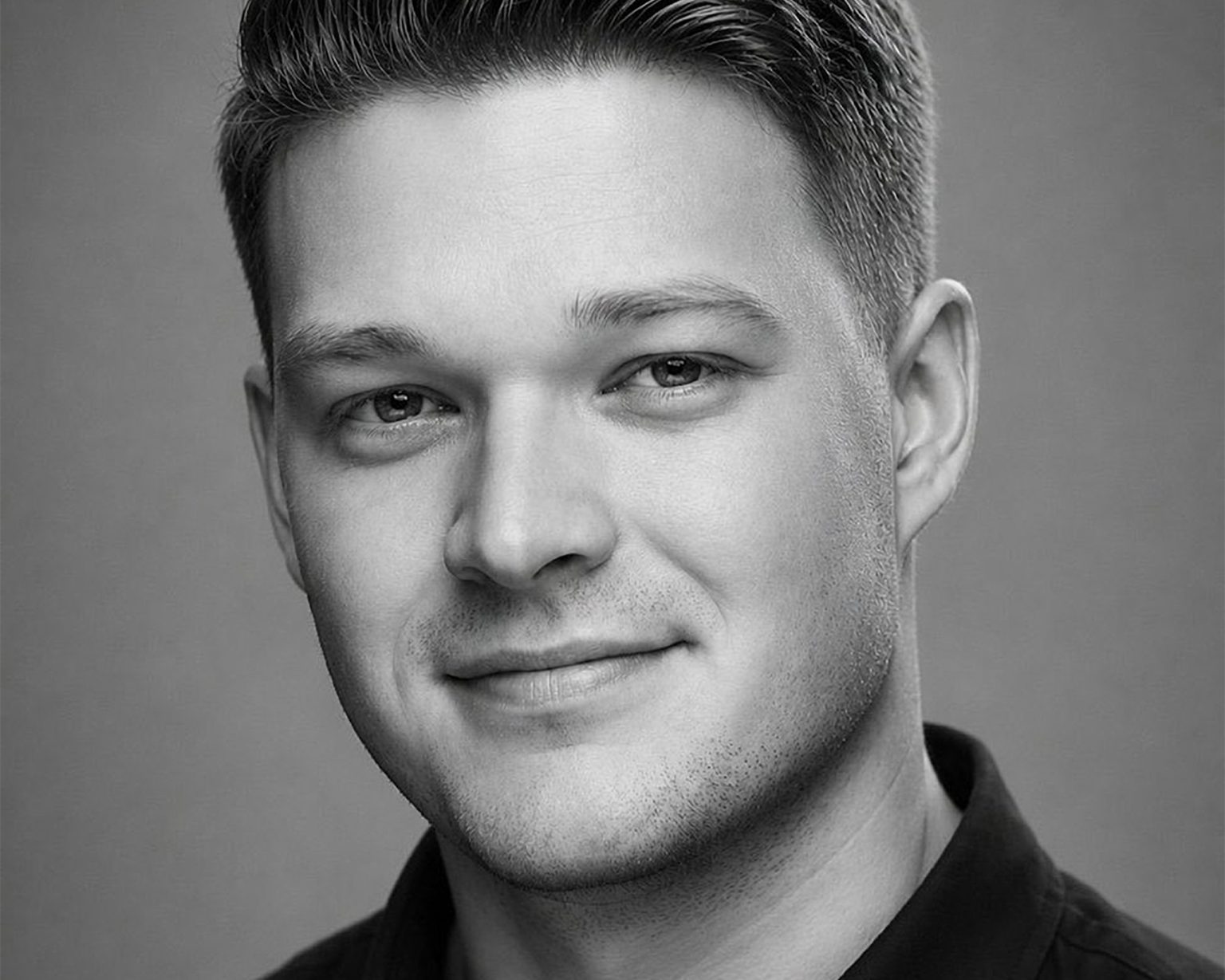
22-year-old German student Marius Dick, who was murdered on 19 July. His parents, both members of the local CDU, are calling for government action. Photo: x.com
|
Marius Dick was 22 years old, studied history at the University of Trier and was just weeks away from completing his bachelor's degree. He planned to go on to study military history in Potsdam. On the morning of 15 July, he was returning from the shops when he encountered an Afghan man of the same age on a footpath. According to the current state of the investigation, the two did not know each other. Marius Dick was what investigators describe as a random victim.
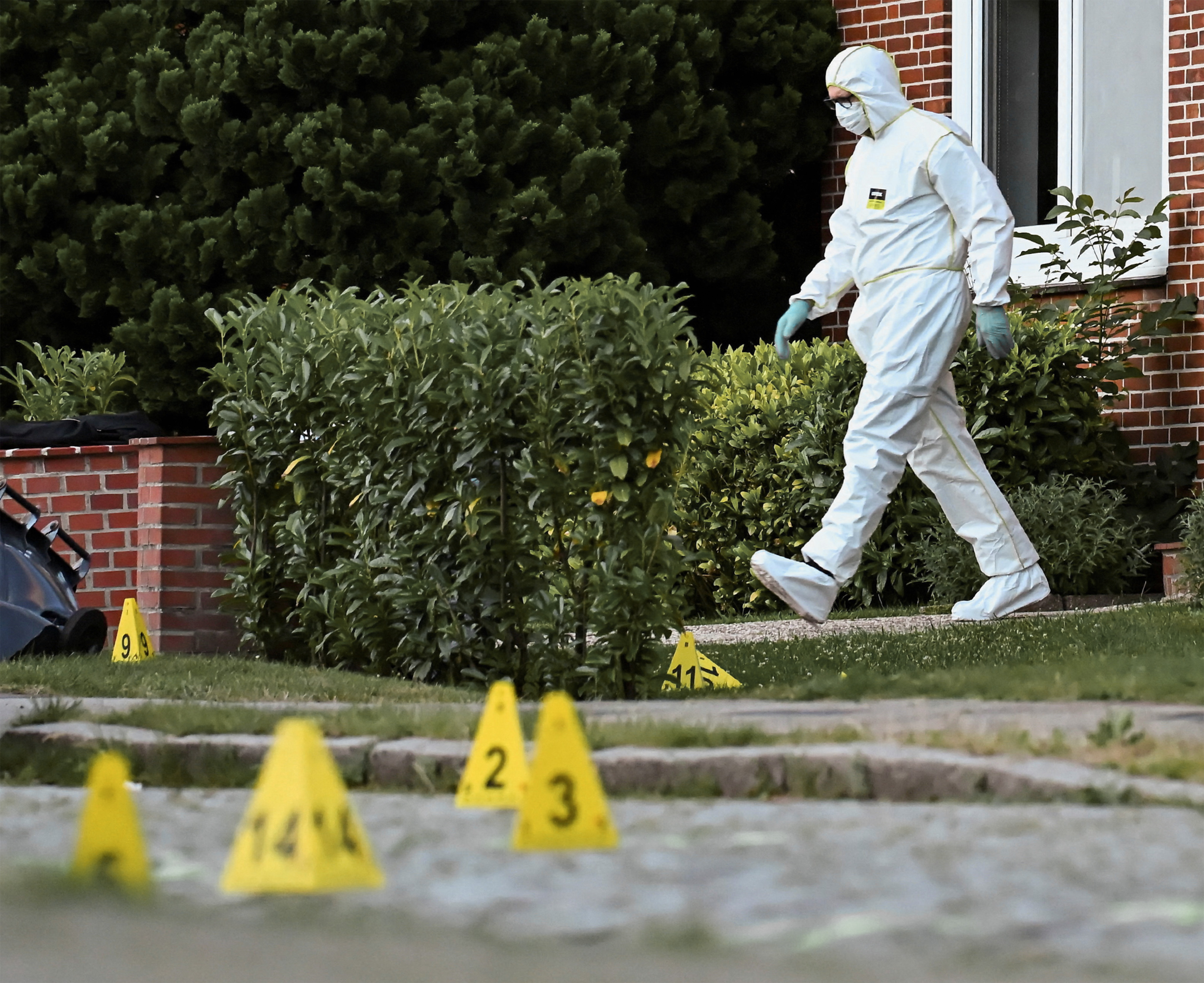
The migrant is alleged to have stabbed Dick at least twice with a kitchen knife without apparent provocation. Just like that. One of the stab wounds pierced the student's heart. He died a short time later in hospital. The suspect admitted carrying out the attack but declined to provide any further information about his motive.
The assailant is a 22-year-old Afghan national who arrived in Germany as a minor. His asylum application had already been rejected in March 2023. Nevertheless, he was allowed to remain in Germany after the authorities imposed a ban on his deportation to Afghanistan and granted him a residence permit.
Because the Afghan national is believed to suffer from a mental illness and had recently been receiving inpatient psychiatric treatment, a court ordered his detention in a secure forensic psychiatric hospital. An expert assessment will determine whether he was criminally responsible at the time of the attack. Whatever the experts conclude, Marius Dick is still dead.
Cases like this have become a grim part of everyday life in Germany. A brief news report, a sigh over the morning newspaper and then life goes on. Many fear that too much public attention or political debate would only strengthen the right-wing Alternative für Deutschland (AfD).
However, this case directly affects Germany's governing Christian Democratic Union (CDU). Marius Dick's mother, Elke Dick, leads the CDU group on the Landstuhl town council and previously served for several years as chair of the local CDU association. His father, Thomas Dick, is also active in the party.
That is why this case has particular political significance for the CDU. The murder of the child of long-standing party members cannot simply be ignored or quietly forgotten, especially as Marius Dick's parents spoke out publicly almost immediately after the attack, calling for political action to prevent similar senseless killings in the future.
In an interview with the news website Nius, the parents described the moment they learned of their son's death. Thomas Dick was sitting at home watching television when the doorbell rang. Two police officers and two chaplains were standing outside.
“At that moment, it feels like you are in a film”, the father said. The officers asked him to sit down, but he instead demanded to know immediately what had happened. His first thought was of his wife, who was still out. Then came the words: “Marius is dead.”
At first, Thomas Dick could not comprehend the news. His son was in Trier, studying, with plans for the future and appointments ahead of him. Now young officers were standing in his home, telling him that the 22-year-old had been stabbed to death.
Because Elke Dick could not be reached, her husband asked the police and chaplains to wait. He feared she might learn of their son's death while driving home and lose control of her car.
When she arrived home shortly after 5 p.m., Thomas Dick immediately opened the door. She could tell from his face that something was wrong. Then she noticed the police officers and chaplains inside the house.
“Marius is dead”, her husband told her.
“I just collapsed straight away. All I could do was scream, ‘My child, my child, my Marius, this cannot be happening’”, Elke Dick recalled. “It was an absolute nightmare.”
Rather than retreating into private grief, Marius Dick's parents chose to speak out publicly. They are calling for tougher sentences for criminal migrants and the consistent deportation of foreign nationals who commit serious offenses.
“Something has to change in Germany. We no longer feel safe”, they said. Thomas Dick directed his appeal straight to the federal government: “Politicians, change something! Sit down together, make decisions, do something.”
German Chancellor Friedrich Merz, who had not commented publicly on the killing until then, later called the family. According to Thomas Dick, the conversation lasted around ten minutes and was “very emotional”. Merz expressed his condolences and offered his support. Thomas Dick said he now expects the chancellor “to make something happen, to set something in motion”.
In Germany, a rejected asylum application does not automatically result in deportation. If the authorities determine that a person cannot legally be returned to their country of origin, they may instead be granted a residence permit. In such cases, the decisive factor is no longer whether the individual qualifies for refugee status, but whether they would face a specific risk if returned.
This creates a legal limbo. Although the asylum claim has been rejected, deportation remains prohibited. In the case of the Afghan suspect, a psychiatric assessment will now determine whether he was criminally responsible at the time of the attack. Depending on its findings, he could either stand trial or be detained indefinitely in a secure forensic psychiatric hospital. In Germany, not Afghanistan.
A genuine shift in migration policy would have to end this situation. Deportations to Afghanistan would need to become fully possible again. Anyone whose asylum claim has been definitively rejected and who has no legal entitlement to protection should be required to leave Germany. If a rejected asylum application does not result in the person's departure, the decision becomes little more than an administrative formality, while the individual remains in the country and, in most cases, continues to be supported at taxpayers' expense.
If the suspect is ultimately found guilty of murder but committed to a secure forensic psychiatric hospital, the cost of his detention could be as much as €300,000 ($350,000) per year.
To change the current system, the federal government would need to negotiate deportations with the authorities in Kabul, regularly review existing deportation bans and revoke residence permits once the legal grounds for them no longer apply. Mental illness should not result in dangerous individuals remaining in the country without effective supervision. Where deportation is not immediately possible, they should be held in secure facilities until they can be returned.
Elke and Thomas Dick have vowed to continue pressing for political action. Since his phone call with the family, Chancellor Friedrich Merz has been personally aware of their demands.
The CDU now finds itself facing determined party members who are calling not only for justice for their son, but also for measures to prevent similar crimes from happening again.
The case of Marius Dick may receive only limited media attention. Within the CDU itself, however, the case has become a smoldering political issue.
Welcome to the comments section of the Štandard daily. Please take note of our guidelines, comments are moderated by us. You can contact the moderators at support@statement.com.
Participate in the discussion
Comments are available to subscribers only. If you'd like to join the discussion, choose a subscription starting at €6.72 per month.
All comments 0
Register
Comments are available to registered users only. If you'd like to join the discussion, register here.