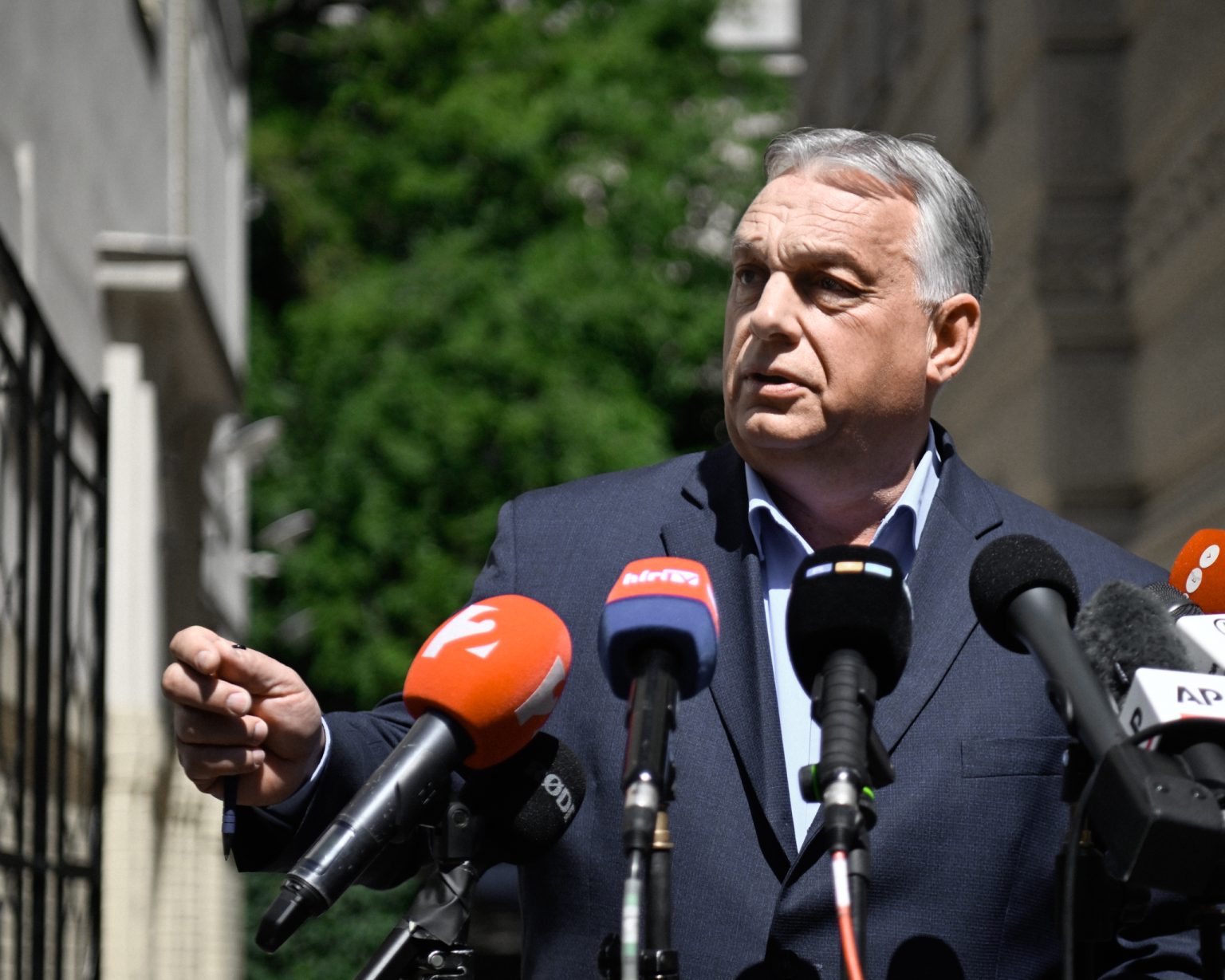
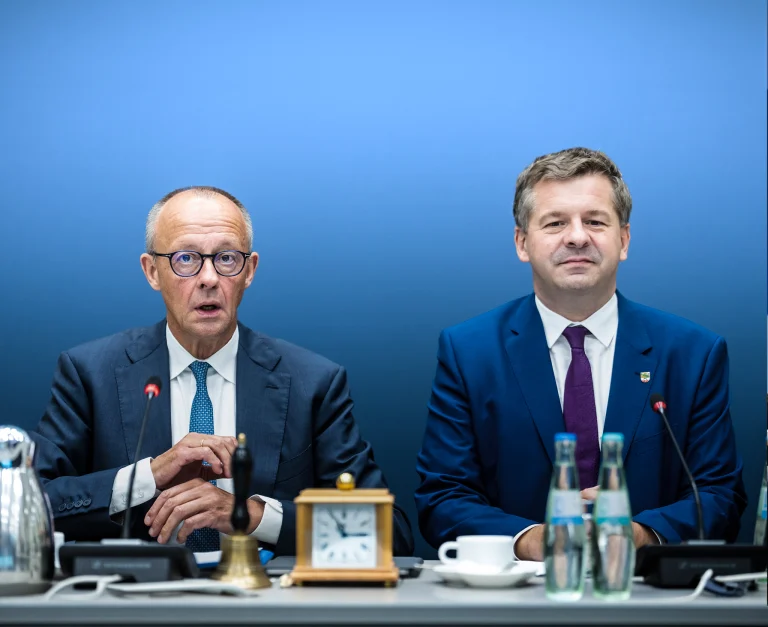
The seizure of Fidesz’s resources comes as Orban’s party had announced a series of demonstrations to protest the new government’s latest measures, aimed at removing the president from office and limiting the terms of members of parliament.
Nothing like this has happened in Hungary since the end of the communist regime, denounced Kinga Gal, the party’s vice president and vice president of the Patriots for Europe group in the European Parliament.
Political Pressure Reaches New Heights
In the wake of this offensive, Attorney General Gabor Balint Nagy resigned. In his resignation statement, he warned that “the prosecution service must not become a tool in the political struggles of political actors” and that it must never become “an arena for daily political interests and power games”. He explained that he was subjected to political pressure and attacks that went far beyond the permissible bounds of public debate. Not affiliated with any political party, he explained that he chose to resign to protect the institution’s independence.
Prime Minister Magyar responded by expressing satisfaction at having rid himself of “yet another Orbán puppet”. On its Facebook page, Amnesty International Hungary expressed alarm at the lack of transparency in the proceedings and the pressure that led to this resignation. The organization also questions the ability of the new ruling party, Tisza, to break with Fidesz’s methods.
Brussels Looks the Other Way
These latest actions have sparked a wave of indignant protests among the European right and Fidesz’s allies in the European Parliament.
French lawmaker and presidential candidate Marine Le Pen denounced the fact that “violations of the rule of law are on the rise in Hungary with the blessing of those who consider themselves on the side of good”. Italian MEP Matteo Salvini, for his part, criticized the “deafening silence from Brussels and from those who, for years, have been talking about the rule of law”.
Former Prime Minister Viktor Orban intends to capitalize on this latest episode to denounce the path chosen by Magyar: dismantling the opposition party through administrative and regulatory means to ensure his victory in 2030 and prevent any return of Fidesz to the political arena.
The offensive is just beginning, as a new body – the Office for the Recovery of State Assets – is set to begin operations this fall, with the goal of investigating companies and institutions suspected of having improperly received public funds. This will provide the Hungarian government with an opportunity to stage prosecutions against former Fidesz officials and business leaders accused of having benefited from the government’s largesse. Orban is already promising, in the event of a victory in 2030, a policy of “restitution”.
For now, Brussels remains silent on these unprecedented clashes.