Crossing the Channel: When No One Takes Responsibility
Four more migrant deaths in the Channel reignite scrutiny of aid groups, French rescue policies and the limits of UK-France migration cooperation.
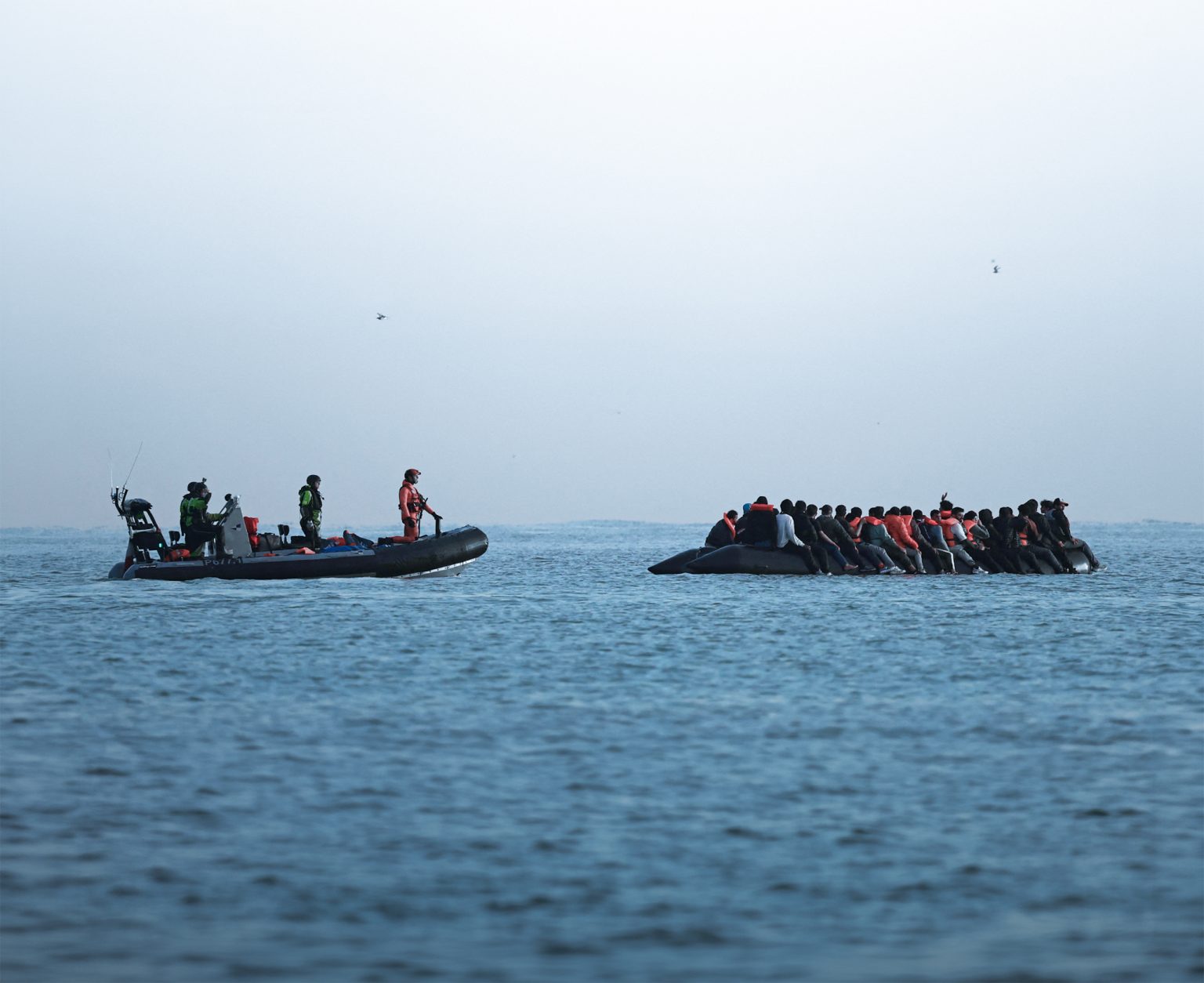
French police escort migrants across the Channel as Britain and France tighten efforts to curb illegal crossings. Photo: Reuters/Gonzalo Fuentes/File photo
|
The death toll continues to rise with four more migrants killed while attempting to reach Great Britain from the French coast, once again raising questions about the responsibility of migrant support groups that, under the guise of humanitarian aid, operate in collusion with smugglers and fuel the flow of migrants without regard for their role in these tragedies.
On the morning of Thursday 30 July, authorities were alerted to the presence of three unconscious women aboard a migrant boat. All three were found to be in cardiac arrest, though the exact circumstances of their deaths are unknown. In such situations, the most plausible scenarios include prolonged compression in an extremely overcrowded boat, possible hypothermia or a stampede on board that led to people being crushed.
The Dunkirk prosecutor’s office has opened an investigation “on the grounds of flagrant offenses for the following charges: aiding illegal entry and residence as part of an organized crime ring while endangering the lives of others, and involuntary manslaughter and injury”. The investigation has been entrusted to the Central Office for Combating Illegal Migrant Trafficking and the Maritime Gendarmerie.
The three deaths come on top of another that occurred overnight between Wednesday 29 and Thursday 30 July, when about 100 migrants attempted to board a taxi boat that capsized. A man died, while six other people, including a child, were treated by emergency responders.
On the ground, only the Civil Protection agency is officially authorized by the prefecture to intervene. Yet numerous organizations operate along the Opal Coast to assist migrants preparing to reach England, such as Utopia 56, Opale Exil and Salam. According to their websites, they exist to provide support to exiles in distress, “particularly those who fail in their attempt to cross into the United Kingdom or who encounter difficulties on the Opal Coast”.
In reality, they are illegally collaborating with smugglers to facilitate crossings to England, as evidenced by the numerous videos that have circulated in recent days. The work of “observation, information, and awareness-raising” highlighted in their official talking points actually bears all the hallmarks of an active contribution to illegal immigration.
According to Amélie Moyart, communications officer for Utopia 56, the deaths can be attributed to the fact that women are placed in the center of the boats and are “trampled by the men”. She blames “the chaos of the situation” for leading to these deaths, with “police pressure” causing people to feel afraid and “under stress”.
For several weeks now, the organization has noted that departures are taking place further south, toward Le Tréport, where the crossing is longer and potentially more dangerous. The boats make several stops to pick up passengers, increasing the risk of capsizing.
French Rescue Doctrine Draws Fire from UK Conservative
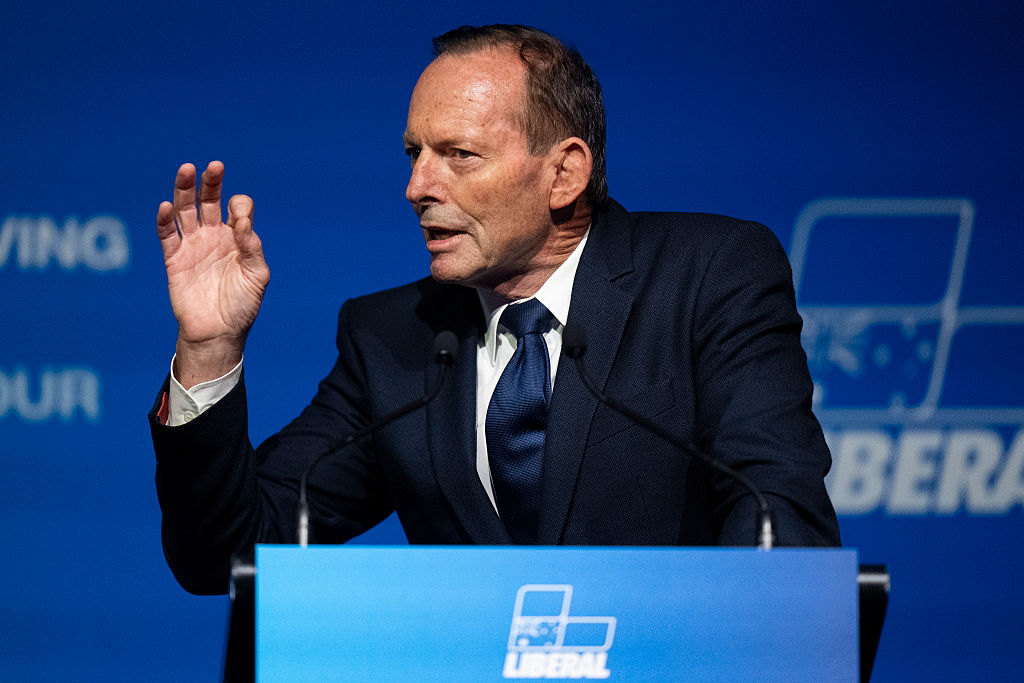
For British Conservative MP Chris Philp, the party’s spokesman on immigration issues, there is not a shadow of a doubt that French authorities bear responsibility for the influx of migrants to Great Britain. In his view, French NGOs also bear some of the blame. Philp, who was on the scene on 29 July, further claims to have been the target of warning shots fired by a French Navy vessel.
While a migrant boat was at sea, the MP released videos showing a French coast guard vessel, a police boat and a patrol boat circling the inflatable dinghy without attempting to stop it, even as it returned to the beach to pick up five additional migrants. French officials provided life jackets to those on board before escorting the boat into British waters.
Macron–Starmer Deal Tested by Continued Crossings
Philp condemns France’s approach, which he says is focused solely on rescue and fails to meet the political objective of preventing crossings despite British funding.
On the French side, authorities defend themselves by emphasizing that law enforcement intervenes before the boat is launched, and that once the boat has departed, their legal priority becomes saving human lives – though this does not preclude more aggressive operations on occasion. Recently, police officers used tear gas to prevent people from boarding boats near Dunkirk.
Nevertheless, the management of migration across the English Channel is marked by a fundamental contradiction: the United Kingdom provides substantial funding for French efforts to reduce crossings, but French operational doctrine prioritizes rescuing people rather than intercepting them once the boats are at sea.
Welcome to the comments section of the Štandard daily. Please take note of our guidelines, comments are moderated by us. You can contact the moderators at support@statement.com.
Participate in the discussion
Comments are available to subscribers only. If you'd like to join the discussion, choose a subscription starting at €6.72 per month.
All comments 0
Register
Comments are available to registered users only. If you'd like to join the discussion, register here.