A Crisis Blamed on Social Media
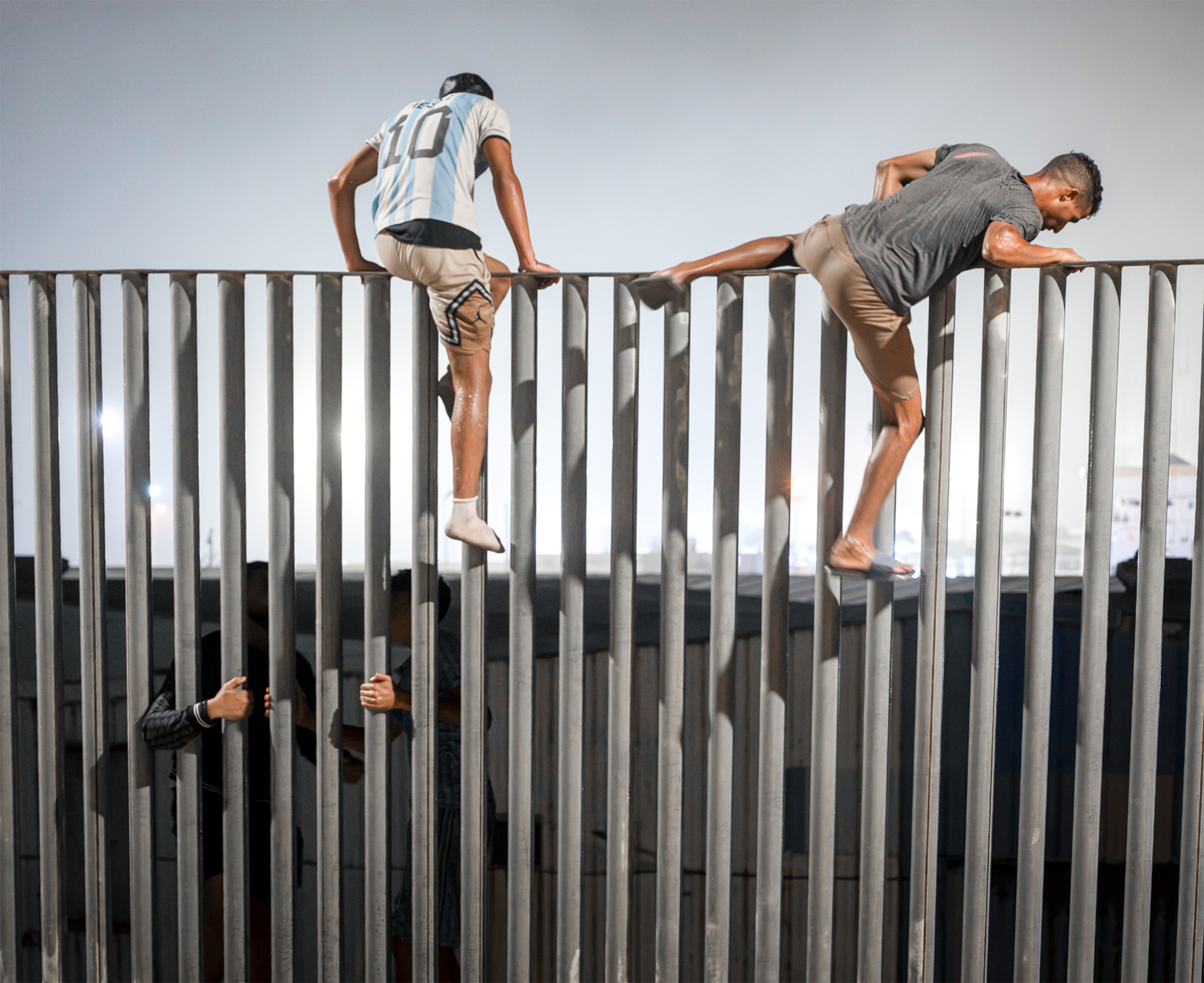
This time, the former EU official believes that the gravity of the events in Ceuta lies not in the uncontrolled influx of tens of thousands of migrants who could travel from this portion of Spanish territory in the Maghreb to all countries within the Schengen Area, but in the dissemination of information on social media platforms at the time of the incident.
The role of social media cannot be overlooked in the migration surge at the beginning of August. On the Spanish side, it appears that online videos claiming the border was open may have triggered the reckless influx of migrants into Ceuta. There are fears that the same scenario could repeat itself on 15 August.
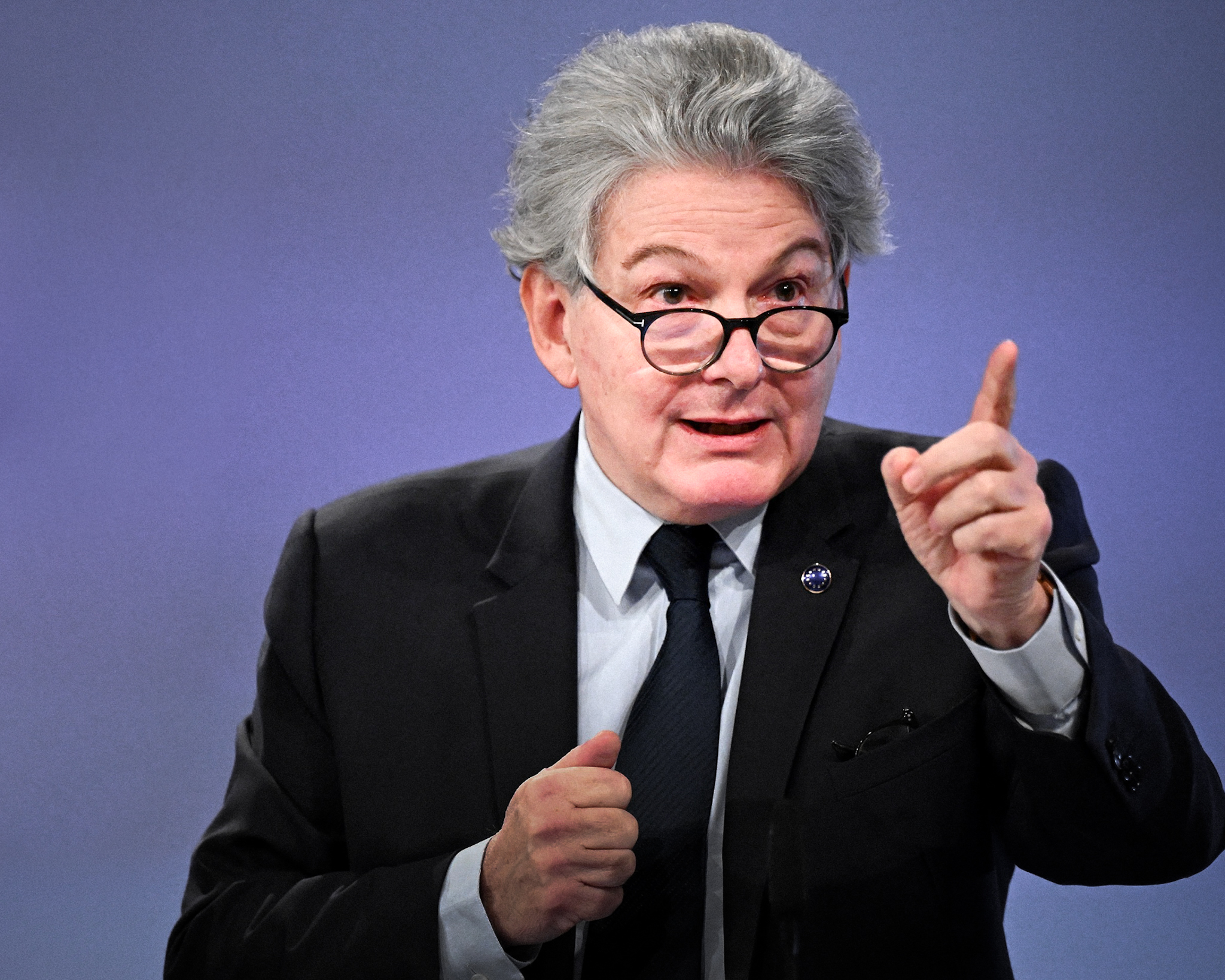
But does this mean we should conclude, as Thierry Breton does, that the real culprit behind the migration problem is “an algorithm”?
So far, the European Commission has given no indication that it intends to treat the Ceuta crisis as a case of disinformation or information manipulation. Nor has any member state requested activation of the Digital Services Act's crisis-response mechanism.
When Migration Becomes a Disinformation Problem
The issue of information control in the migration crisis does not concern only the initial rumor that led to the assault on the enclave. It also concerns the media coverage of the aftermath of the migrant influx.
European Commissioner for Migration Magnus Brunner said the crisis had tested Europe's ability to "resist disinformation". Citing reports of roughly 2,000 fake articles and 6,000 fake social media posts allegedly linked to Russian actors, he argued that member states needed stronger monitoring of online platforms and better coordination of crisis communication.
French Interior Minister Laurent Nuñez, for his part, referred to “a certain degree of interference by foreign states that have used these images to criticize the European Union’s migration management policy”. He argued that this use of the images sought to “sow division” among member states, exploiting their divergent positions on migration to ultimately destabilize and attack the European Union.
The underlying logic is similar to Breton's: the debate shifts away from the migration crisis itself and toward information flows surrounding it. In doing so, attention moves away from broader questions about migratory pressure, the EU's external borders and the effectiveness of the Schengen system during periods of crisis.
The Schengen Question
By blaming social media algorithms for the invasion, Breton aims to discredit the political responses to the crisis put forward, for example, by Italian Prime Minister Giorgia Meloni or Austrian government officials, who have called for the suspension of Schengen and the reinstatement of border controls. “You can’t dismantle Schengen through social media”, he explained to La Stampa. For him, this is not a migration crisis, but a crisis of governance – a convenient way to deny the presence of migrants on Ceuta’s soil and all the unrest that followed: violence, vandalism and rape.
While remaining vague about exactly what he meant by this term, Breton also called for the development of a “doctrine” linking European legislation on migration control and the DSA. The goal would be to hold social media platforms accountable for reducing the identified risks associated with migration. How? Through content moderation that amounts to censorship? Or a fine? The former commissioner did not specify. The underlying message remains quite clear, however: the danger is not the recurrence of an invasion like the one in Ceuta, but the runaway nature of social media.
Breton summarizes tellingly: “The real threat is not the boat, but the algorithm”.