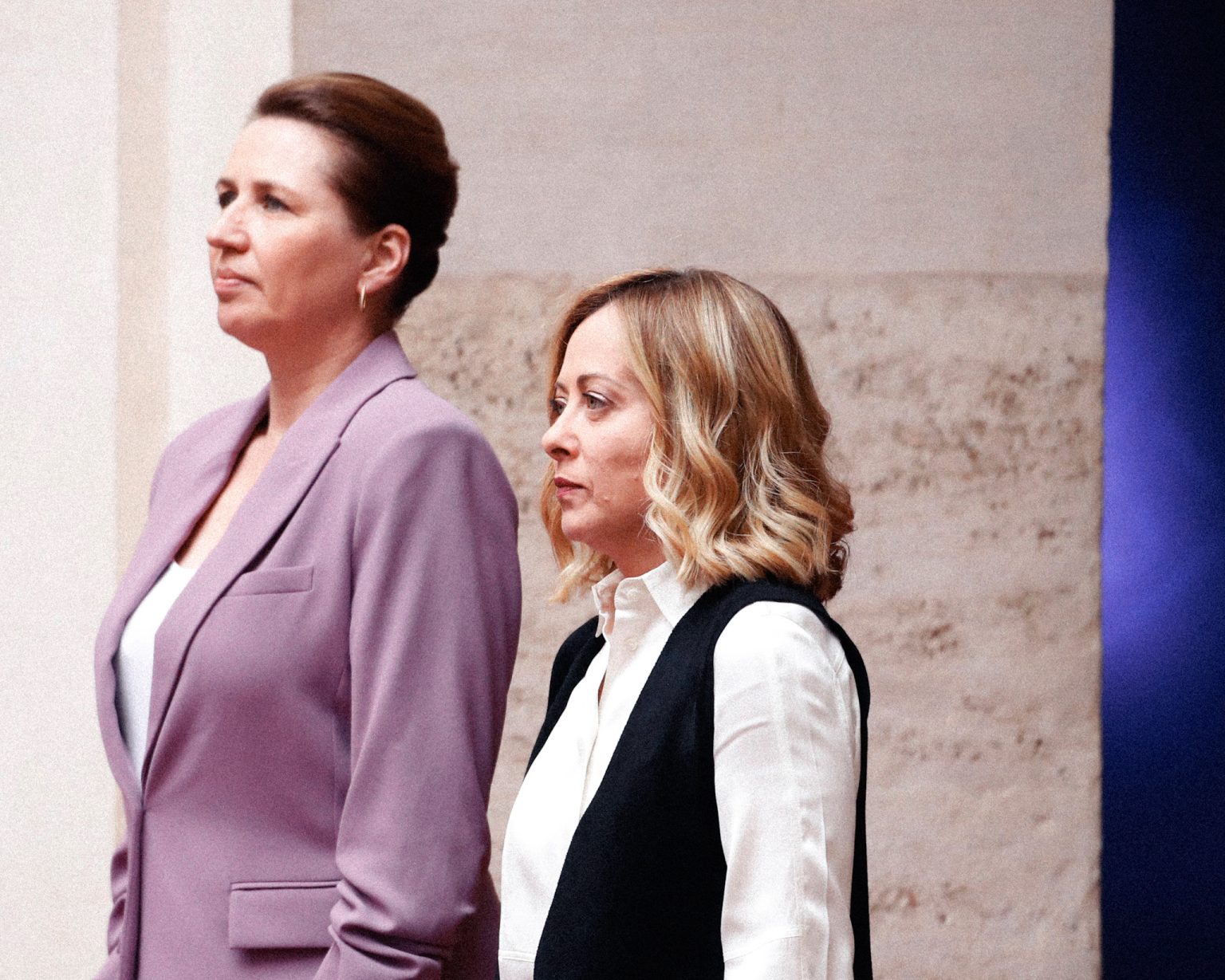
The statement by Meloni and Frederiksen echoes this concern but broadens its scope. The two leaders advocate strengthening return policies and seeking solutions to process certain migration applications outside European territory. They also wish to prevent decisions made in one country from creating incentives for new arrivals in others.
From Border Control to Integration
Their text goes beyond these practical considerations. Meloni and Frederiksen draw an explicit link between compliance with European laws and adherence to “European values”. This requirement applies not only to those entering the Union’s territory illegally but also to the millions of foreign nationals living there legally.
This wording advocates a conception of integration in which the burden of adaptation does not rest solely on the shoulders of European societies. Newcomers, too, are called upon to accept the cultural and normative framework within which they have chosen to live.
Integration is therefore no longer limited to learning the language, gaining access to employment or respecting institutions. It also requires adherence to the values and traditions of the host society.
This concept is not new. Denmark has pursued a demanding integration policy for several years. What is more significant is the link now established between this approach and the issue of Europe’s cultural heritage.
Migration Revives Christian Roots Debate
The most significant sentence in the declaration is likely the one in which the two prime ministers state that they are “proud of Europe’s Christian cultural heritage” and declare their intention to protect it.
For several decades, the European project has been defined primarily by political and legal principles such as democracy, the rule of law and fundamental rights. The historical and religious dimension of European civilization, however, has all but disappeared from the debate since the controversies surrounding the drafting of the European Constitution in the early 2000s. The proposal to explicitly mention Europe’s Christian heritage in the treaty’s preamble sparked intense controversy at the time and was ultimately not included.
Meloni and Frederiksen’s statement brings the issue back to the forefront. Migration has profoundly transformed European societies and raised questions that no longer concern only the number of people being admitted. They also concern the ability of these societies to preserve their cultural norms amid significant immigration.
Christianity is presented here as a historical component of European civilization, and the two leaders assert their legitimacy in preserving it. Immigration thus ceases to be viewed solely as an administrative issue. Europeans expect those settling on their continent to respect their laws. They must also be able to define the values to which their laws and societies should remain committed. Migration policy thus becomes linked to the question of cultural transmission.
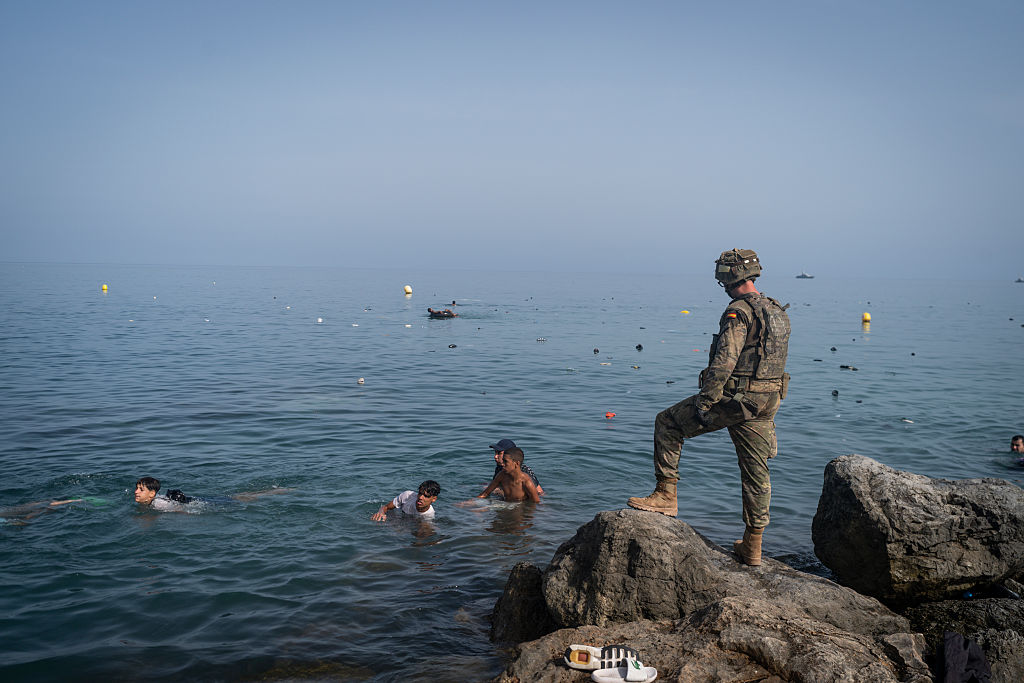
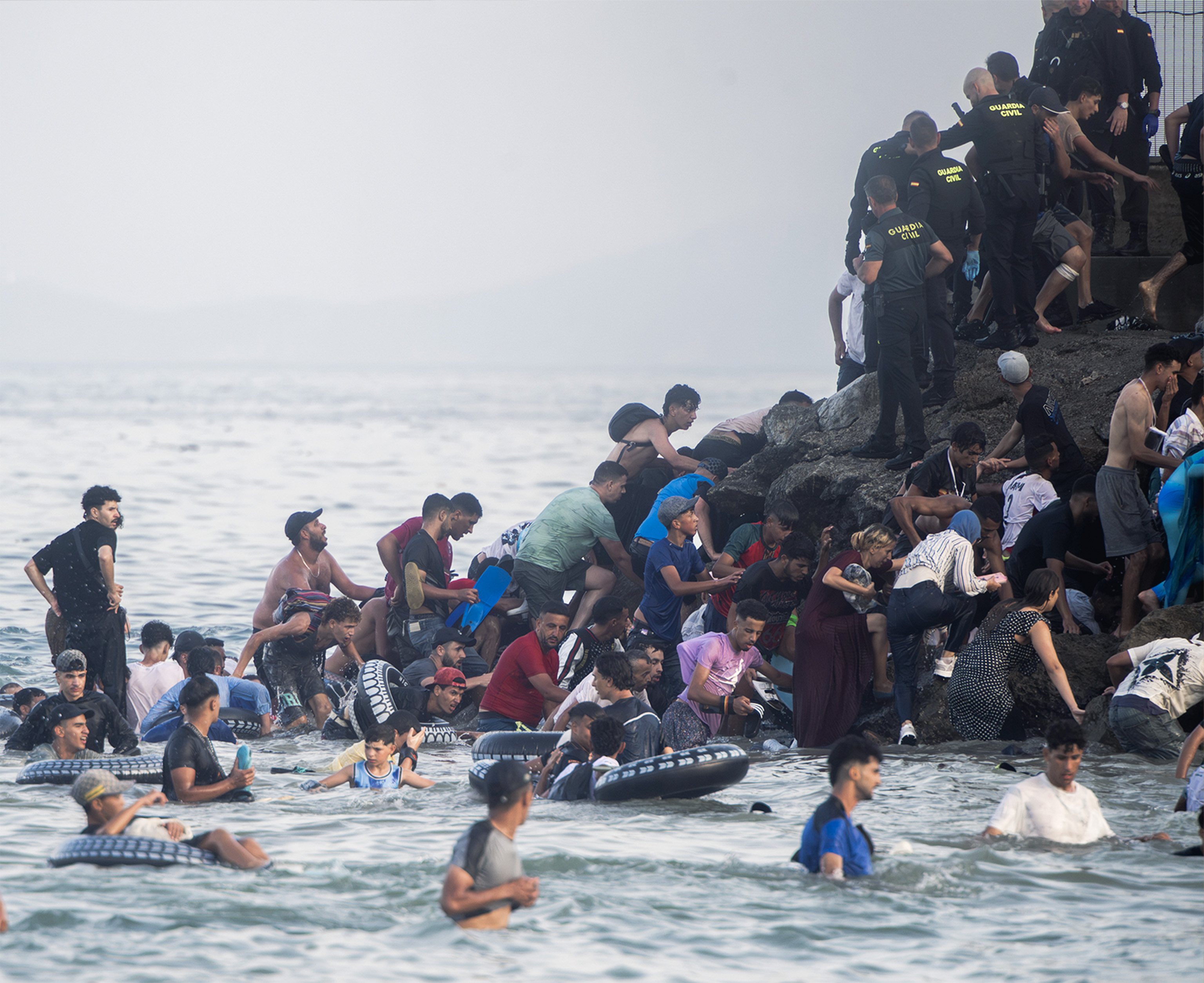
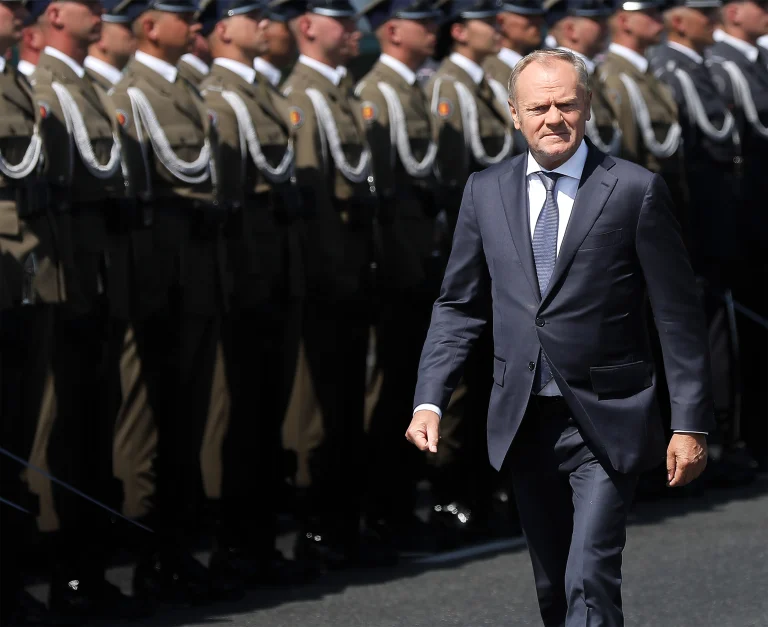
This gives the 10 August statement greater significance than a mere response to the Ceuta crisis. The letter from the 22 member states raised an institutional question: How can freedom of movement be preserved if the Union’s external borders are no longer effectively controlled? Meloni and Frederiksen add a cultural question: What kind of society are these borders meant to protect?
The convergence between the two leaders is revealing. Giorgia Meloni embodies the Italian conservative right, while Mette Frederiksen leads a social-democratic government. Their alignment on immigration shows that border control and integration requirements now transcend traditional political divides.
If Europe wants to protect its borders, it must also define more clearly what it intends to preserve within them.