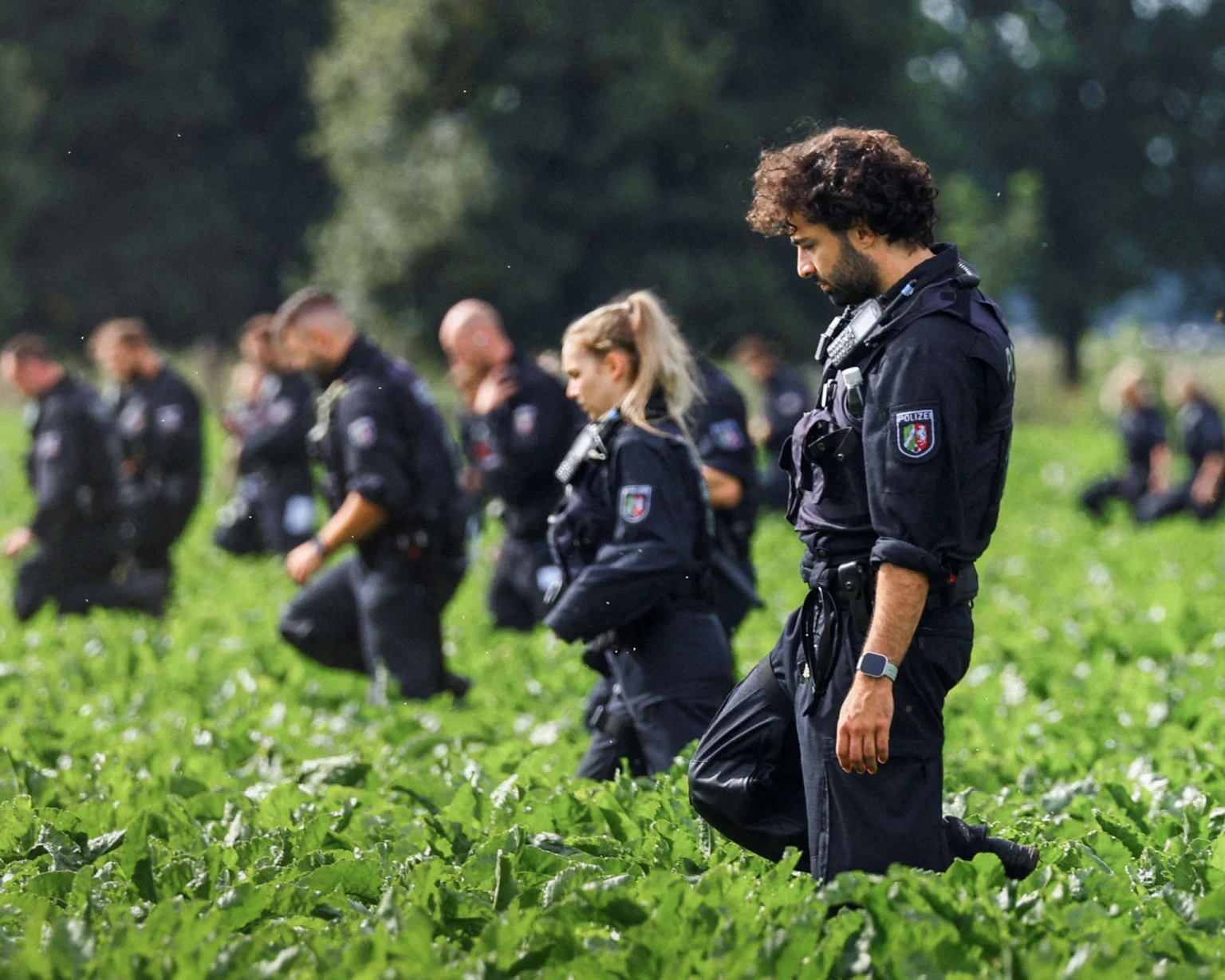
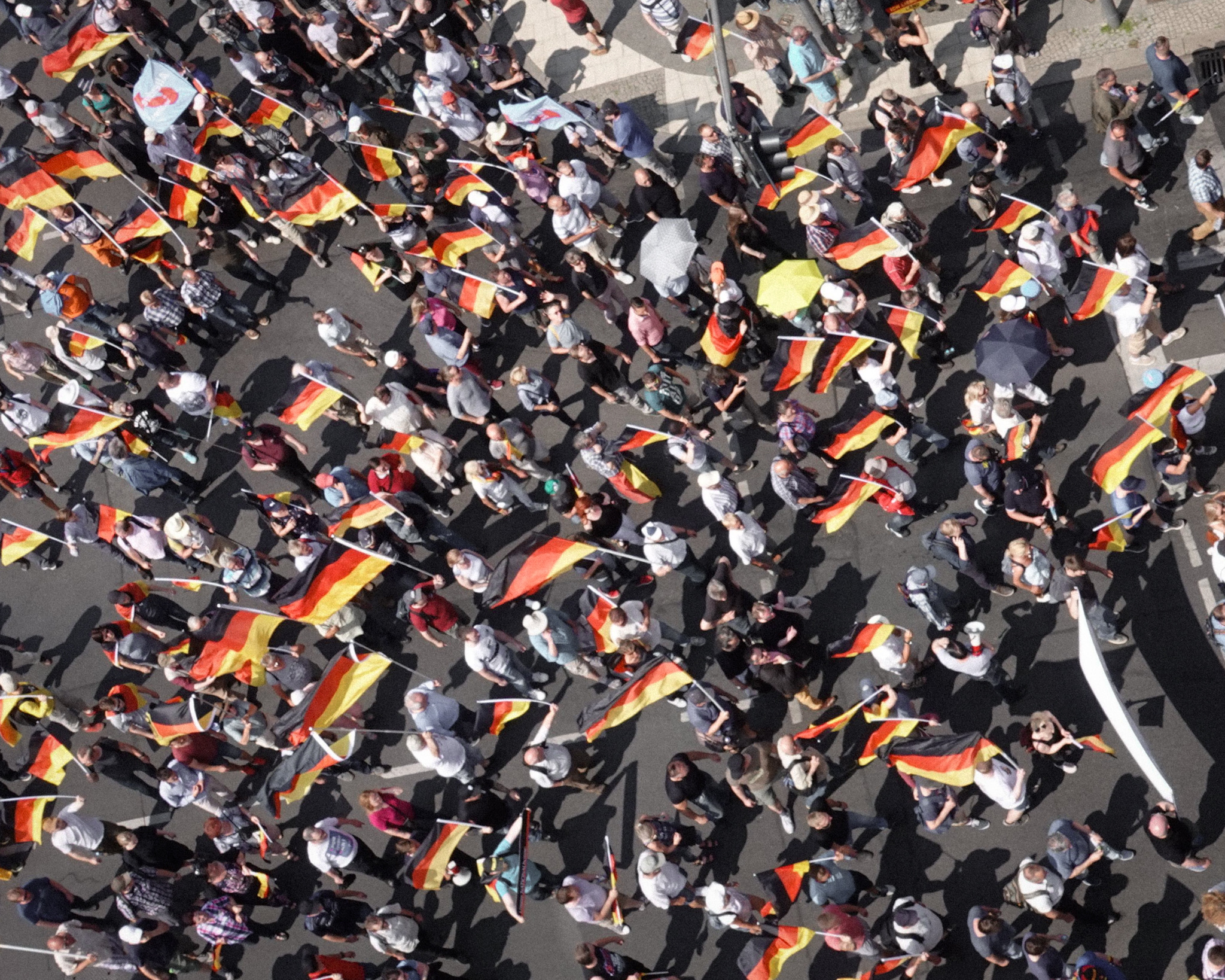
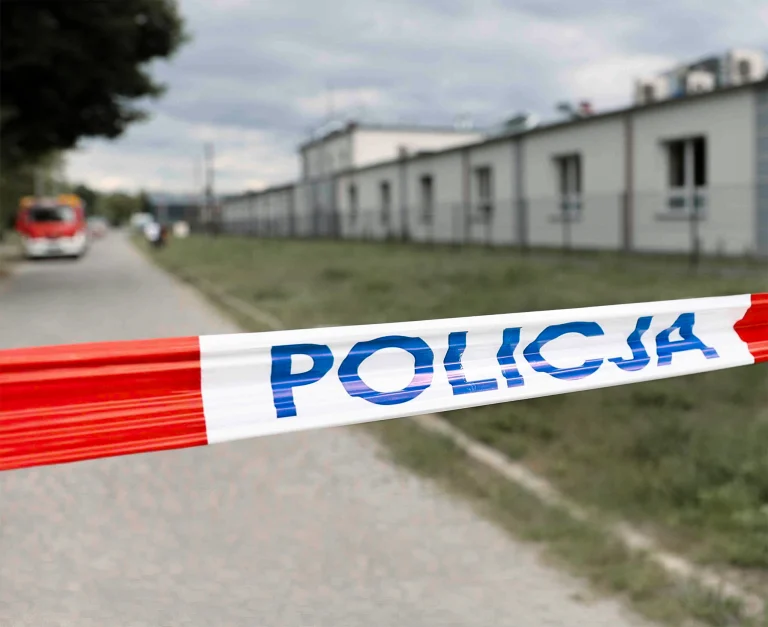
Neither incident caused a major blackout. But the timing and methods were similar enough for authorities in the two states to coordinate their inquiries. In Brandenburg, police are investigating, among other offenses, the suspected formation of a terrorist organization, while in North Rhine-Westphalia the case concerns anti-constitutional sabotage.
North Rhine-Westphalia Interior Minister Herbert Reul has publicly named two possible groups behind the attacks. Police are examining both left-wing extremism and the possibility of an operation directed by a foreign state.
A Call for a “Counterattack” Raises Questions
One intriguing clue has drawn attention to possible involvement by people linked to Antifa. At 2:31 p.m., between the two attacks, an anonymous author published a text on the German-language left-wing extremist platform de.indymedia under the headline “Solidarity and Counterattack”.
Indymedia is part of the international Indymedia network. Germany’s domestic intelligence agency regards de.indymedia as one of the most important information and propaganda outlets for the German-speaking left-wing extremist scene. The platform regularly publishes claims of responsibility following militant actions as well as texts in which sabotage and property damage are politically justified.
The latest post responds to US terrorism sanctions against the Italian tech collective Autistici/Inventati. Washington accuses the group of providing digital infrastructure for violent far-left networks.
The anonymous author portrays the sanctions as an attack on left-wing structures and calls for those structures to be defended. Toward the end, the language becomes more combative. The author says the “defamation” of left-wing groups must be resisted and calls for a “counterattack”. Different forms of resistance, the post says, should become a “broad social practice”.
The post makes no mention of power lines, power plants or substations, and there is so far no evidence that its author had anything to do with either attack. What is striking, however, is that it refers to an earlier attack on Germany’s electricity supply.
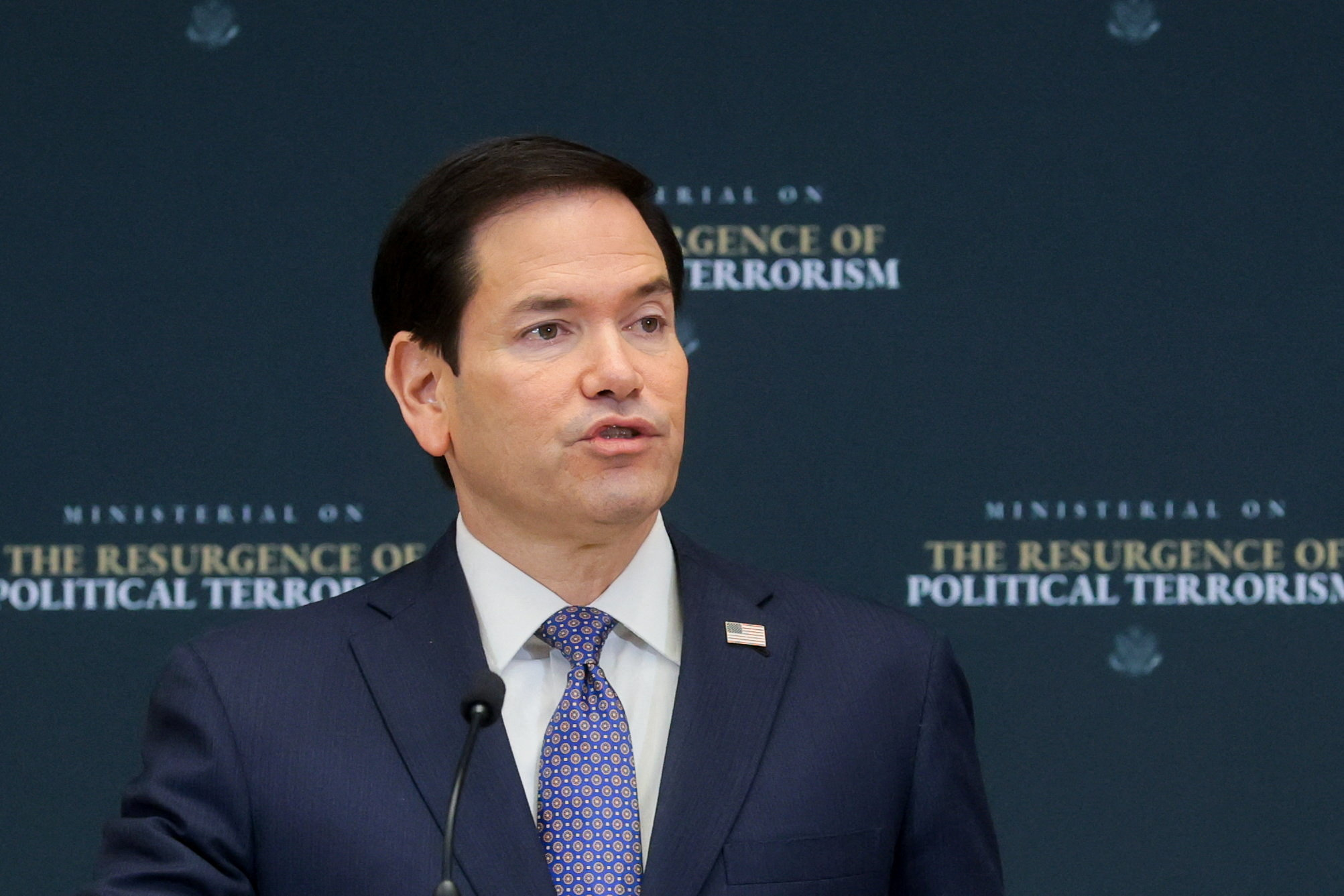
In January, the left-wing extremist Volcano Group claimed responsibility for an arson attack on a cable bridge in Berlin. Tens of thousands of households temporarily lost power. The Indymedia author specifically criticizes US Secretary of State Marco Rubio for later citing the case as an example of political terrorism.
The Volcano Group had already targeted the power supply to Tesla’s factory near Berlin in 2024, setting fire to an electricity pylon. The latest cases look different. Redmann has explicitly noted that the new method differs from the pattern seen in previous left-wing extremist attacks.
Between the Two Attacks, Berlin Blamed Russia
The other line of inquiry reaches far beyond Germany’s left-wing extremist scene. Between the two attacks on the power grid, the German government formally declared that Russia was behind the attempted drone attack on Leipzig/Halle Airport on 4 August. The airport in eastern Germany is one of Europe’s largest air freight hubs and is also used for military transports and aid deliveries to Ukraine. A drone found there was equipped with explosives, according to the German government.
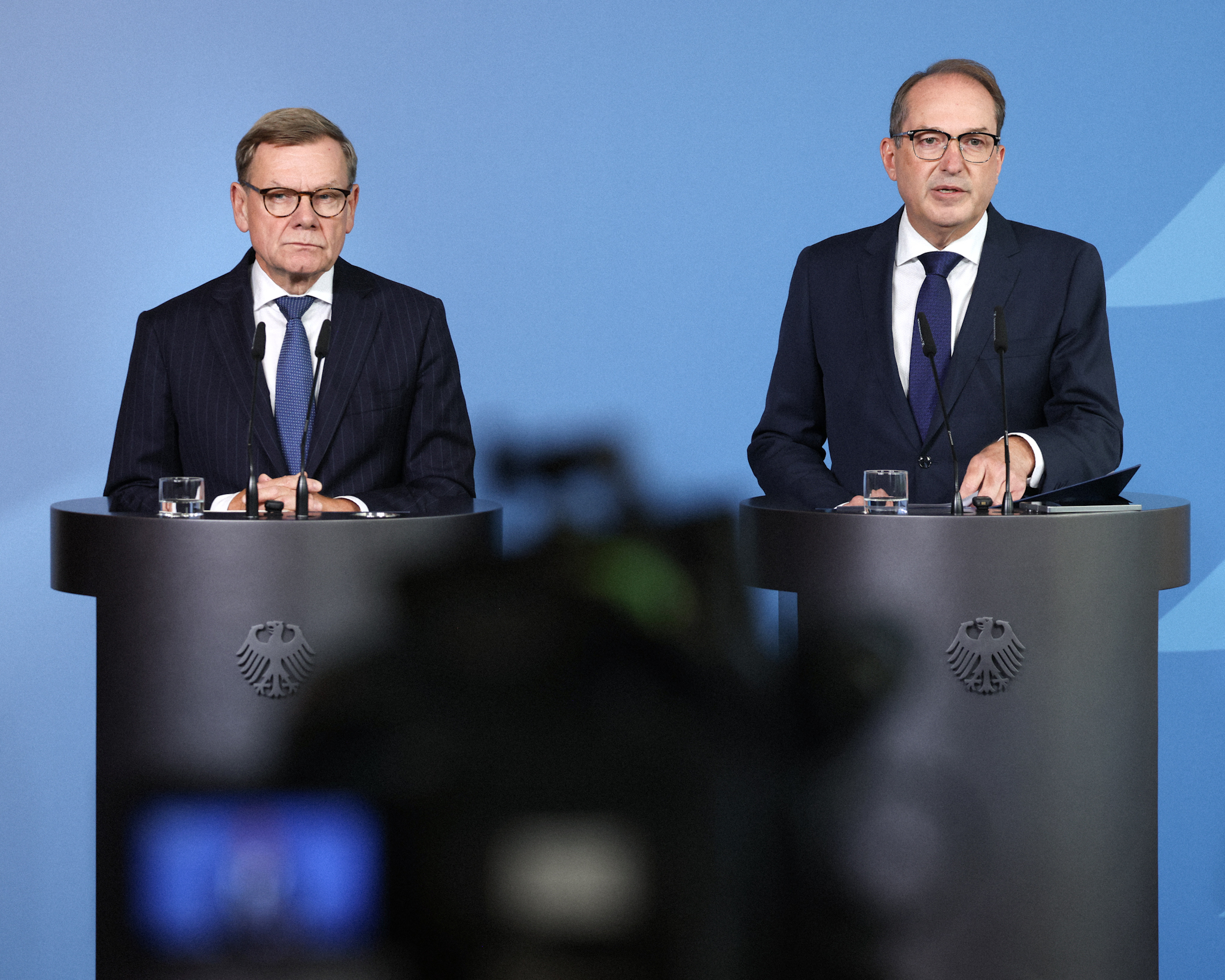
Federal Interior Minister Alexander Dobrindt cited police and intelligence findings as well as the pattern of the operation. Russia, meanwhile, denies any involvement and accuses Germany of exploiting the case for political purposes.
Berlin did not stop at the accusation. The Russian ambassador was summoned, diplomatic measures followed, and several other European governments lodged protests of their own. EU foreign policy chief Kaja Kallas said: “It is clear that it has all the hallmarks of state-sponsored terrorism.”
Wolfgang Ischinger of the Munich Security Conference has put it more starkly. Once explosives are used in such operations, he argues, the term “hybrid war” is no longer adequate. Russia will never formally declare war on Europe, he said, but in a sense that war is already under way.
Russian involvement in the attacks on the power grid has not been established. But investigators are now looking into whether the attacks may have been ordered by a foreign actor, at a time when Berlin has publicly accused Moscow of attempting an explosive attack on a strategically important German airport.
The concern has spread far beyond the two sites. In Hamburg, police used drones to inspect power plants and substations while officers searched surrounding areas for suspicious devices. There has so far been no specific indication of another attack.
What is already clear is that the perpetrators needed neither military equipment nor a large logistical operation. A few cheap components, local knowledge and an understanding of where the system was vulnerable were enough to take power plant units offline.
That is the most uncomfortable lesson of this series of attacks: Germany’s critical infrastructure can apparently be hit with remarkably simple means, while the authorities still do not know what kind of adversary they are dealing with.