The new mobile communications standard 6G will enable comprehensive surveillance that works even for people who do not own a phone themselves. A built-in radar technology is set to generate an entirely new category of data.
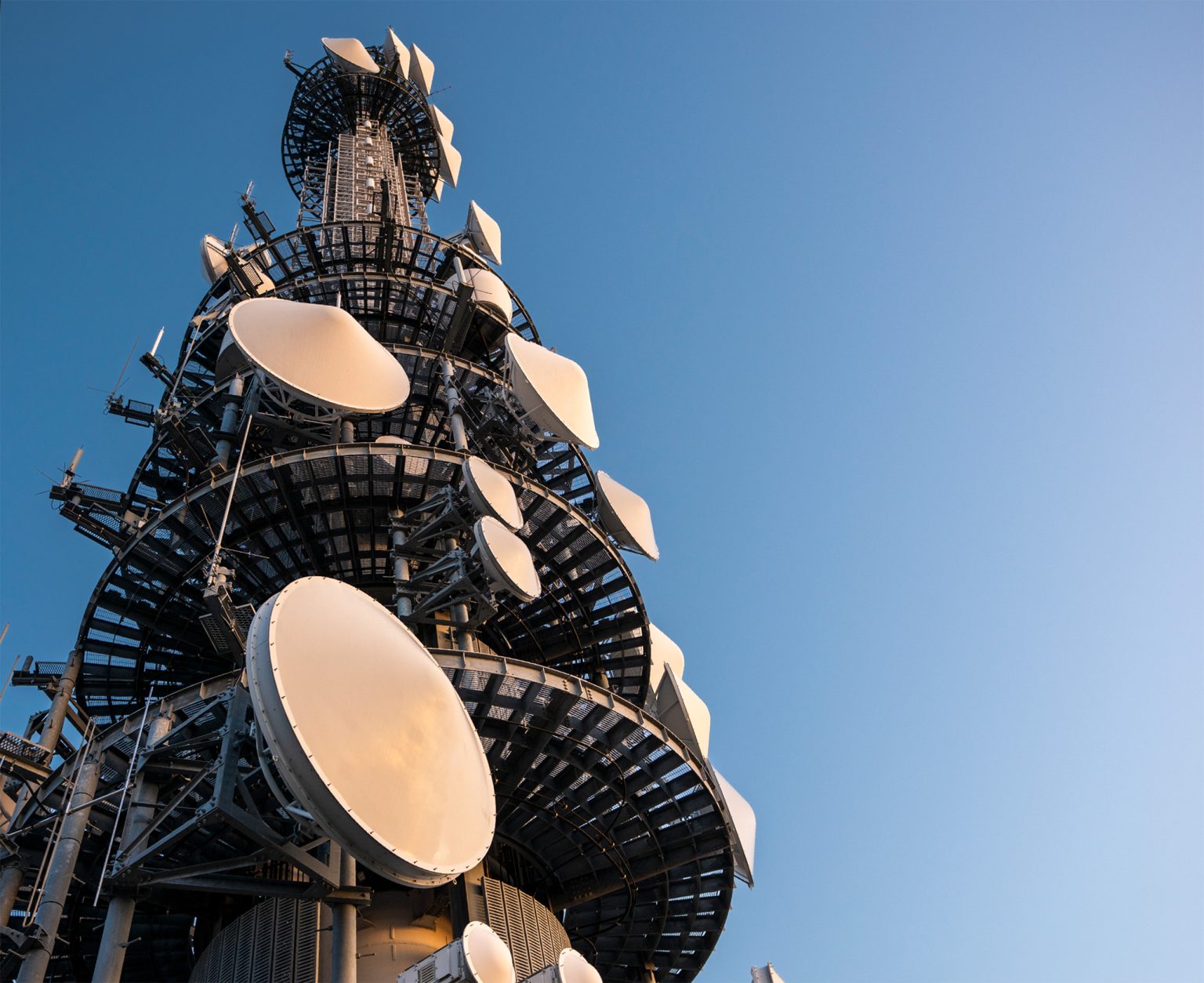
With 6G, every device will become part of a radar surveillance network. Photo: Getty Images
|
6G is due to enter service from 2030, built around a technology called Integrated Sensing and Communication (ISAC), which will make it possible to monitor, control and measure every person or vehicle using mobile radio waves. Universal data collection brings considerable risks with it. Individuals could be re-identified, the surveillance itself would go unnoticed, data protection would be undermined, privacy would erode and a form of uncontrollable, universal surveillance would take hold.
With 6G, phone ownership stops being a precondition for monitoring. ISAC, the radar technology at its core, also transmits waves capable of penetrating walls, which leaves little practical basis for privacy at all.
Turning Networks into Radar
Work is currently underway to establish the technology's functions and standard as binding across Europe. The name itself simply means sixth generation, and as with every new generation, its core promise is faster transmission of ever more data. But 6G promises to be more than that. For the first time, it is designed to systematically combine mobile communication with radar sensing. The mobile network would no longer simply transmit information between devices. It would use its radio waves to gather information about the physical environment and relay it onward.
Germany's Data Protection Conference (DSK), the coordinating body for the country's federal and state data protection authorities, puts it starkly: in the future, every radio-capable device could double as a radar sensor. With mobile ISAC, sensor functions could be performed not only by base stations but also by connected devices such as smartphones. This marks the real revolution: turning a pure communications network into a comprehensive radar network.
No One Escapes the Signal
6G's observation range extends far beyond people carrying phones, tablets, smartwatches or data glasses. It takes in every person, animal and object nearby. Every mobile transmitter already emits electromagnetic waves that strike not only the intended smartphone but also houses, cars, people and other objects within range. Part of that radiation bounces back, and by analyzing its travel time, phase, frequency shifts and angle of incidence, the network can draw conclusions about its surroundings.
The technology's reach does not stop there. Once the waves detect a person, the radar can register and transmit their gait, gestures, facial features, sex, breathing and heartbeat, among other data. Recognizing, or re-identifying, an individual is already possible at any time.
Storing and processing this data can be enough to identify a person, whether through a characteristic movement pattern or other biometric features linked to the results of radar surveillance. This information is known as “sensing data”, the term used for information gathered through ISAC. Matched with account details, mobile data, location information or other datasets, it could turn an initially unknown object into an identifiable person.
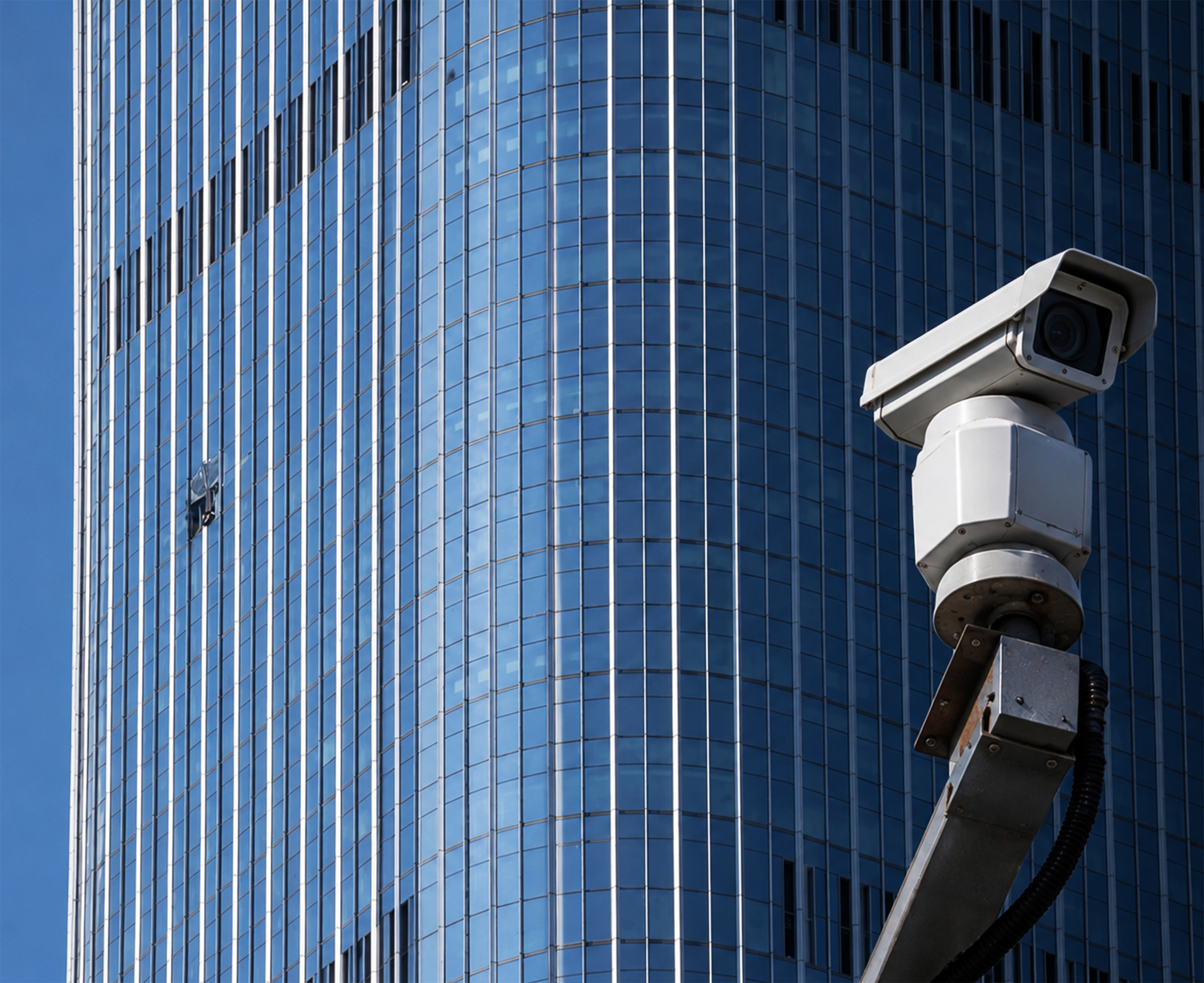
From that point on, the person is not just identifiable at any place and time. Biological signals such as heartbeat or movement speed can also reveal what they are doing at any given moment. A camera is instantly recognizable as a camera and signals surveillance. A cell tower, a Wi-Fi router or a smartphone is not. None of these devices are perceived as surveillance tools, which is precisely what makes observation via 6G invisible.
The Law Cannot Keep Up
Germany offers a clear illustration of the problem, but the difficulty is far from unique to it. Data protection laws framed in similar terms across numerous other countries would be affected in much the same way, creating a near-insurmountable practical problem for data protection authorities.
Take a 6G system meant to track crowd flows at a train station. Thousands of people pass through the sensor area every day. Some own 6G devices, others do not. Some are customers of the network operator running the system, others are not. The EU's General Data Protection Regulation (GDPR) requires effective consent from everyone captured in a surveillance measure, and obtaining that consent in the case of 6G surveillance is simply impossible. With 6G, the GDPR becomes a dead letter.
Investigative authorities and intelligence services can already look forward to boundless surveillance possibilities. Here, too, Germany serves as a case in point for a problem with broader implications: particularly as domestic intelligence services in the country are set to receive significantly expanded powers.
The issue becomes especially sensitive at the boundary between public and private space. Depending on frequency, material, power and measurement setup, radio waves can penetrate certain obstacles, and the DSK explicitly warns that ISAC could, under certain circumstances, capture information from behind walls. That raises the prospect of Article 13 of Germany's Basic Law, which guarantees the inviolability of the home, being at stake.
Data protection is not just a question of what the network operator is allowed to do. Legal standards must also stop the new infrastructure from becoming a tool for third-party sensing. Mobile network infrastructure could become a nationwide sensor network. A single radar installation is spatially limited, but cell towers are everywhere. It is this ubiquity of communication infrastructure that gives ISAC its true scale, which is why the DSK speaks of the danger of “omnipresent” sensing.
Mobile base stations, Wi-Fi routers, smartphones and other devices already exist in vast numbers. If their radio technology is put to use for sensing at the same time, omnipresent surveillance becomes a reality. Conceivable applications include crowd-flow analysis at events, traffic monitoring, industrial surveillance, care and health systems, automatic detection of dangerous situations, or highly precise digital replicas of real spaces. But that same infrastructure could, in principle, also be turned to comprehensive, no-longer-visible surveillance.
An Invitation for Criminals
In principle, radio waves emitted for communication or sensing purposes are susceptible to interception by unauthorized receivers. Where such signals carry sensitive information, a person's health data, for instance, an unauthorized party could exploit that access for criminal ends. Data protection advocates point to health monitoring as a case in point, arguing that unauthorized recipients must be prevented from evaluating reflections that contain sensitive information.
A further concern lies less in the measurement process itself than in what subsequently happens to the data. According to the DSK, a wide range of actors could function as data processors, from telecommunications providers to device manufacturers, operating system developers, app providers, infrastructure manufacturers and other services with access to local or network-wide sensing data. The likely interest of intelligence services and investigative authorities in this data can reasonably be assumed.
ISAC introduces a new category of data that, alongside conventional communications and location data, captures the physical state of the radio environment and the activity occurring within it. For many of the more advanced sensing applications, radio measurement alone is insufficient. Recognizing patterns such as types of movement or physiological signals within complex reflection data requires artificial intelligence.
It is worth remembering that the capabilities of 6G sensor functions will not stay fixed at the state of the art in 2030. The same raw data could be subjected to far more extensive analysis by later generations of AI models, and the outer limits of what will eventually become possible cannot be meaningfully estimated today.
The Risks Are Known
The 6G standard has not yet been finalized, which is why data protection advocates are intervening at this stage, while scope remains to influence what is technically incorporated into it. It is already evident that the international 6G framework explicitly provides for sensing, and technical standardization is currently under way.
Both German data protection authorities and the European Telecommunications Standards Institute (ETSI) itself identify the unnoticed capture of individuals, biometric inference, profiling, the absence of consent mechanisms and unauthorized sensing as risks requiring resolution before the standard's introduction.
Welcome to the comments section of the Štandard daily. Please take note of our guidelines, comments are moderated by us. You can contact the moderators at support@statement.com.
Participate in the discussion
Comments are available to subscribers only. If you'd like to join the discussion, choose a subscription starting at €6.72 per month.
All comments 0
Register
Comments are available to registered users only. If you'd like to join the discussion, register here.