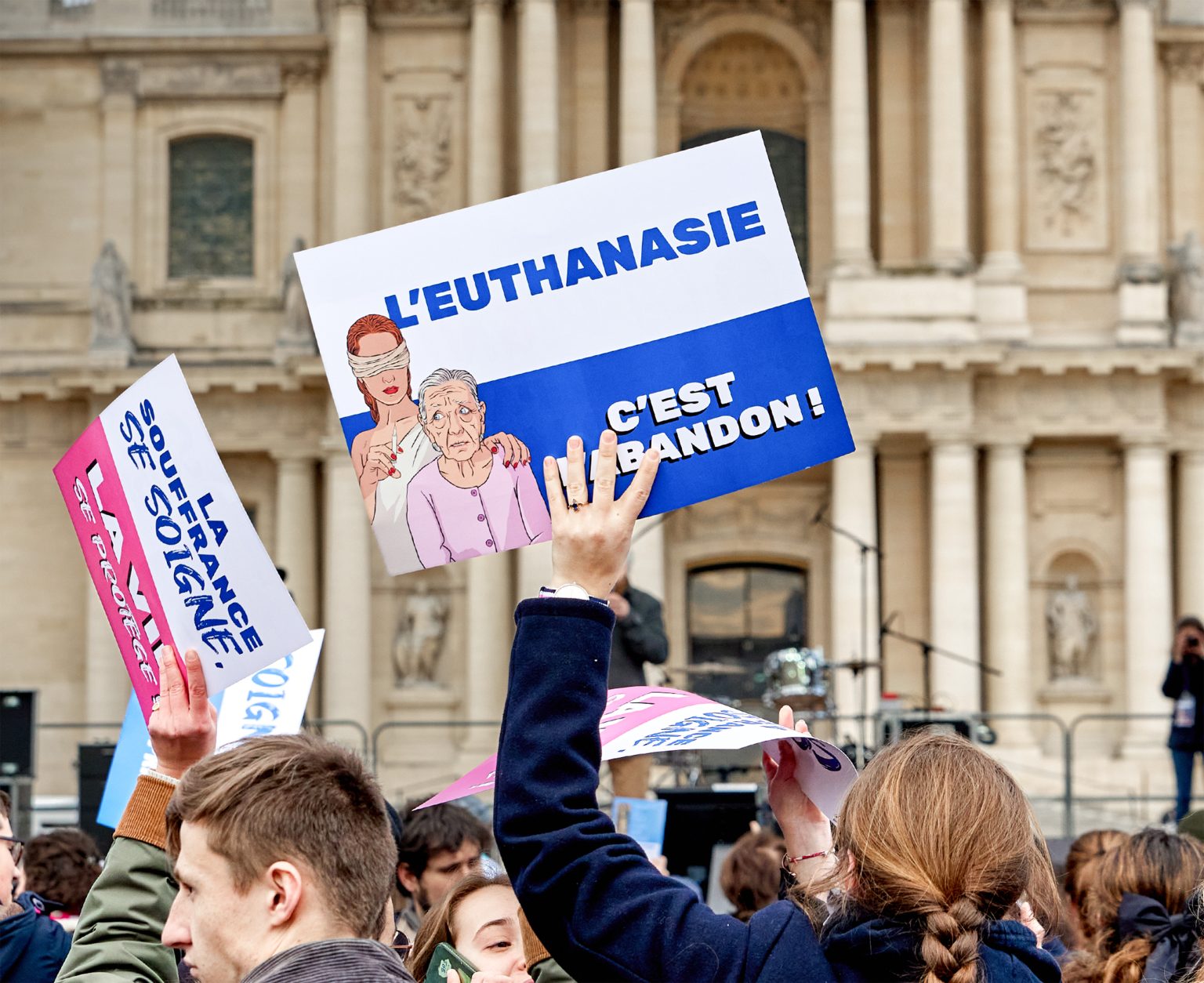
Several aspects of the law raised legitimate questions and warranted closer examination. In many appeals, the criteria for eligibility for assisted suicide were deemed vague and open to overly broad interpretation. Many critics also considered the law’s definition of consent to be ambiguous and susceptible to all manner of pressure on vulnerable individuals. Finally, denying institutions opposed to euthanasia the right to refuse to perform it on their premises posed a major moral dilemma, particularly for religious people.
The three safeguards concern vulnerable individuals, pharmacists and private healthcare facilities.
A First Safeguard for Vulnerable Patients
The Council ruled that vulnerable individuals under legal guardianship must be better protected than the enacted law provides, essentially rejecting the idea that a person under guardianship – who is no longer legally competent, for example, to sign a contract or write a check – could be considered to have sufficient capacity to decide on their own death. As a result of the ruling, when a person requesting assisted dying is subject to a legal protection measure involving assistance or representation, the procedure will henceforth be more strictly regulated: the goal is to prevent a vulnerable person from being led to request euthanasia without adequate safeguards to ensure that the request reflects their free and informed consent.
In its second reservation, the Council granted pharmacists a key safeguard: it recognized that preparing or dispensing a lethal substance may conflict with a pharmacist’s personal beliefs. Pharmacists involved in the procedure therefore cannot be compelled to participate.
Puppinck considers the recognition important because it explicitly acknowledges that the act of euthanasia can pose a conflict of conscience for a healthcare professional. It also implicitly reveals, in his view, an inconsistency in the law, since the same freedom of conscience is not recognized for other acts related to abortion: some pharmacists previously requested the right to invoke a conscience clause when dispensing the morning-after pill, which can have an abortive effect, but the request was denied at the time.
The third reservation concerns one of the law’s most hotly debated provisions. The issue prompted Senate President Gérard Larcher to file his own referral with the Council, an extremely rare occurrence. At stake was whether to allow private institutions opposed to euthanasia to opt out of participating in it, something the law had previously prohibited.
Private Institutions Can Refuse to Participate in Euthanasia
The Council sided decisively with Larcher. It recognized institutional freedom of conscience, stating clearly that a private institution whose status or mission is clearly incompatible with euthanasia or assisted suicide cannot be compelled to perform or organize such acts. In other words, an institution whose identity or mission is incompatible with assisted dying may refuse to participate in it.
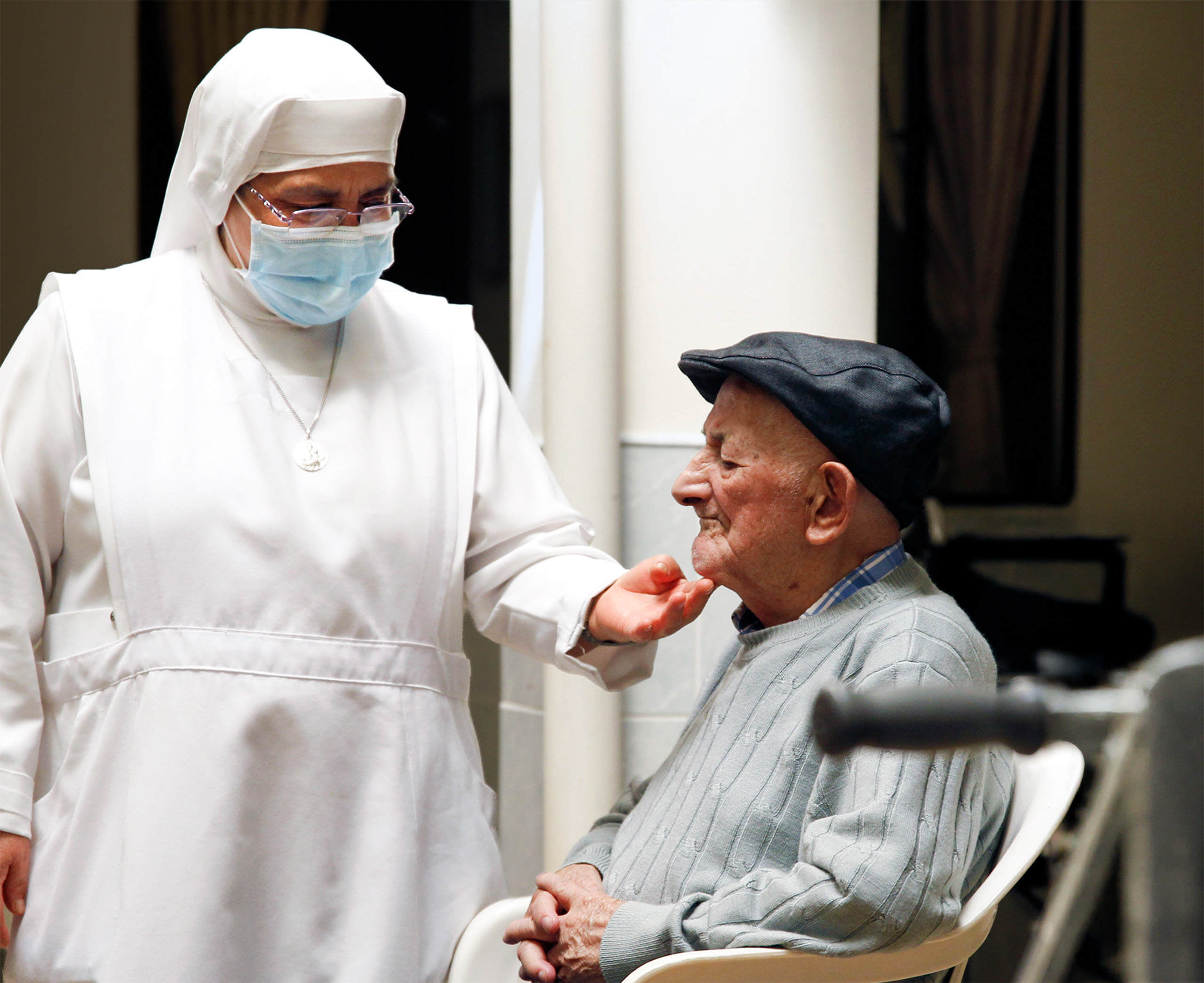
The provision offers significant relief to many – primarily Catholic – institutions that had been anxiously anticipating the prospect of having to close their doors in order to remain faithful to their mission: welcoming the most vulnerable while committing never to inflict death upon them, lest they become outlaws.
The Constitutional Council stated that consideration must be given to a healthcare facility’s “statutory missions” or “mission statement” when it is openly opposed to euthanasia. Puppinck argues that it is now essential that these religious institutions adopt explicit charters or internal regulations that they can invoke in the event of disputes, so that their mission or purpose opposing euthanasia is clearly articulated – whereas such principles are currently often only implicit and tied to their religious identity.
From a European perspective, the French case sets an interesting precedent. In Spain and Portugal, assisted-dying laws recognize conscientious objection by individual healthcare professionals but do not provide an equivalent right for institutions opposed to the practice. The decision of the French Constitutional Council could therefore be invoked by pro-life activists in those countries seeking similar protections for private institutions.
In March, the issue was brought before the UN special rapporteur on freedom of religion or belief. With the support of the ECLJ, Sister Agnès, a physician with the Little Sisters of the Poor, traveled to Geneva to defend the right to conscientious objection before the UN Human Rights Council. The special rapporteur concluded that French law risked seriously violating religious freedom in this respect. Although not legally binding, her opinion was nonetheless taken into account.