In some cases, political parties own or have a substantial stake in several newspapers, as is the case with the Social Democratic Party in Germany, or senior party figures own significant shares in broadcast companies, as with Reform UK leader Nigel Farage and Britain’s GB News.
Editorial Independence and Government Funding
However, the idea that government funding and editorial independence can go together has long been the focus of criticism, as it raises obvious questions regarding how journalists are to hold lawmakers accountable when they are being paid by them.
In Ireland, this issue is already coming to a head. In a heavily regulated and taxed media environment, and under pressure from digital media, local news outlets and broadcasters face increasing financial burdens and diminishing advertising revenue.
Meanwhile, the government offers lucrative grants worth hundreds of thousands of dollars to support local journalism, with a pot of €6m ($6.86m) available through the Irish media commission, Coimisiún na Meán, for “local democracy reporting”.
Local media organizations applied for more than €20m ($22.84m) from this funding pot last year, indicating just how competitive the field is.
Media Self-Censorship
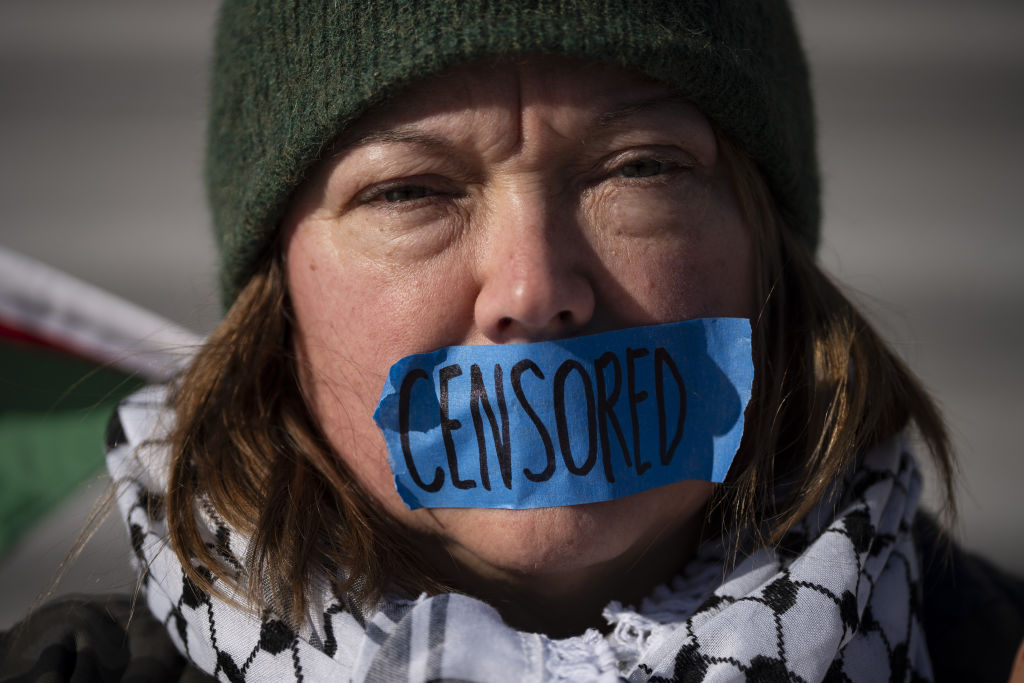
The result, according to one station manager, has been entirely predictable – media organizations that receive government funding say that regional broadcasters are censoring themselves to avoid upsetting the media minister for fear of missing out on their next grant application.
Rather than pushing the minister too hard, staff had to ask questions that were “softball enough”.
The manager also claims that their station’s leadership has encouraged the inclusion of political press releases in local news bulletins on a regular basis, with an eye to keeping in the minister’s good books.
That is what an unhealthy environment looks like for journalism, and it is government-funded.
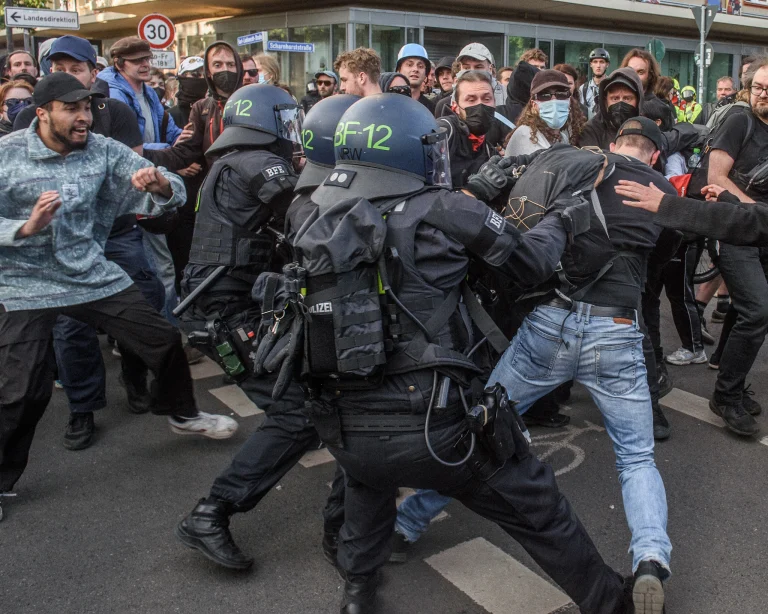
That media organizations may need to worry about upsetting the minister, currently Patrick O’Donovan, is suggested by his actions in relation to recent protests.
Both in prickly, on-air engagements and through backroom moves, O’Donovan responded to coverage of protests earlier this year by threatening to commission an investigation into what he regarded as anti-government bias in broadcast coverage.
It was subsequently revealed that he went so far as to call Coimisiún na Meán to see if he could commission an “examination” of Ireland’s public broadcaster, RTÉ, if he did not like its coverage.
Unsurprisingly, the National Union of Journalists (NUJ) and media bodies generally were aghast at the minister’s actions, with the head of the NUJ calling them “sinister and deeply disturbing”.
Rescuing the Media
However, this is the same union that has several times called for the government to intervene in order to “rescue the media”, expecting politicians to support jobs and bolster “independent, diverse, ethically produced content”.
As the present situation in Ireland suggests, the more you turn to politicians to support journalism, the more they will feel that they have ownership over it.
In this regard, the Emerald Isle should serve as a warning to those traditional media organizations that believe journalism should be treated as a public good and guaranteed by government support.
In the United Kingdom, for instance, public service broadcasters have called on Parliament to safeguard their content to protect the “shared social fabric of the UK” – and politicians are consulting on plans to pressure digital platforms to give content from the BBC, ITV and Channel 4 more prominence on their platforms.
The plans include proposals for special rules governing what content algorithms promote at times of social unrest or crisis.
While this would seem to be a win for broadcast media, relying on the government to define what counts as trustworthy material and what does not is likely to encourage proprietorial feelings among policymakers similar to those evident in Ireland.
Ireland’s Outsized Significance
But aside from being a warning to the world, the actions and culture of Ireland’s media commission and its ministers have global significance.
The small island nation is home to many big tech and digital media companies like Meta, Google and Apple. As a result, Ireland’s regulatory decisions – especially Coimisiún na Meán’s enforcement of Europe’s regulatory policies – can have consequences far beyond the country.
Consequently, concerns about the independence of the media in Ireland and about its emboldened ministerial and regulatory class should worry free speech advocates and journalists across Europe.