No Credit for the Wrong Party
However, this depends on the banks being willing to lend. For years, election after election, the RN has been unable to secure loans from French banks to finance its campaign, even though its election results would easily allow it to repay the amounts advanced. To date, no French bank has agreed to lend it the funds needed to finance its campaign.
But for some time now, this banking obstruction has affected not only the party but also individuals. RN members of parliament face persistent difficulties with banks: although they are members of the National Assembly, banks do not hesitate to arbitrarily close their bank accounts for reasons that are not officially stated – that is, for ideological reasons.
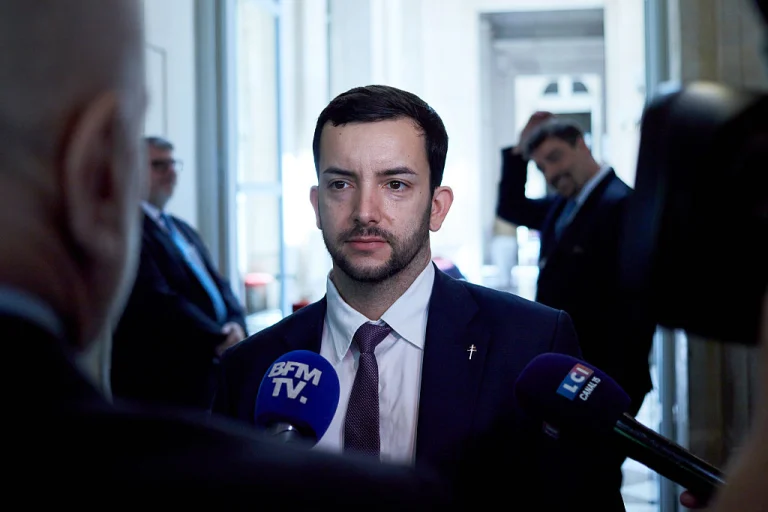
According to the public broadcaster France Inter, several RN members of parliament were dropped by their banks shortly after their election. And these are not minor personalities; among them are Jean-Philippe Tanguy, one of the party’s leading figures, and Frank Allisio, a close associate of Marine Le Pen and a former RN candidate for mayor of Marseille.
Although some had been customers of a bank for years, they received a message – without any justification – informing them that their accounts were being closed.
Under French law, upon entering the National Assembly, these elected officials also become PEPs, or politically exposed persons, to use banking jargon. They require special attention because they are considered “exposed to a higher risk of money laundering”, according to the Banque de France. Banks can therefore choose to get rid of them.
According to the Bureau and the Presidency of the National Assembly, contacted by France Inter, no similar cases involving other political groups have been reported: one can therefore easily conclude that this is a form of persecution specifically targeting politicians affiliated with the RN.
Debanking the French Right
The phenomenon extends to other activists and organizations on the French right, as well as to the press, as revealed by an investigation conducted by Paul Sugy for Le Figaro. In 2024, the conservative magazine L’Incorrect suddenly lost its banking services after being given one month’s notice in the middle of summer.
The consequences were huge, as its editor-in-chief Arthur de Watrigant explained: “I had to cancel my vacation, and it took us a month to get everything back up and running – automatic transfers, utility bills, health insurance, taxes, printers, routers, internet subscriptions, the post office, payments to suppliers, salaries and freelance fees… And during that time, we lost all our revenue: not a single bank transfer or online payment came through, and direct debits stopped, so people could no longer subscribe!”
For organizations that are often fragile – and which, unlike major media outlets, do not receive generous public subsidies – this can eventually mean the end of the road. When such closures occur at the end of the year – just when they receive the most donations – the consequences can be dramatic, amounting to tens of thousands of euros in losses.
Alice Cordier, president of the feminist identitarian collective Némésis, has faced numerous arbitrary account closures, both personally and on behalf of her organization. Last year, the TV channel TV Libertés lost its bank account. In the spring, the alternative news site Fdesouche, which relies entirely on public donations, had its fundraising campaign shut down in less than three hours, forcing its founder to turn to an American fundraising organization.
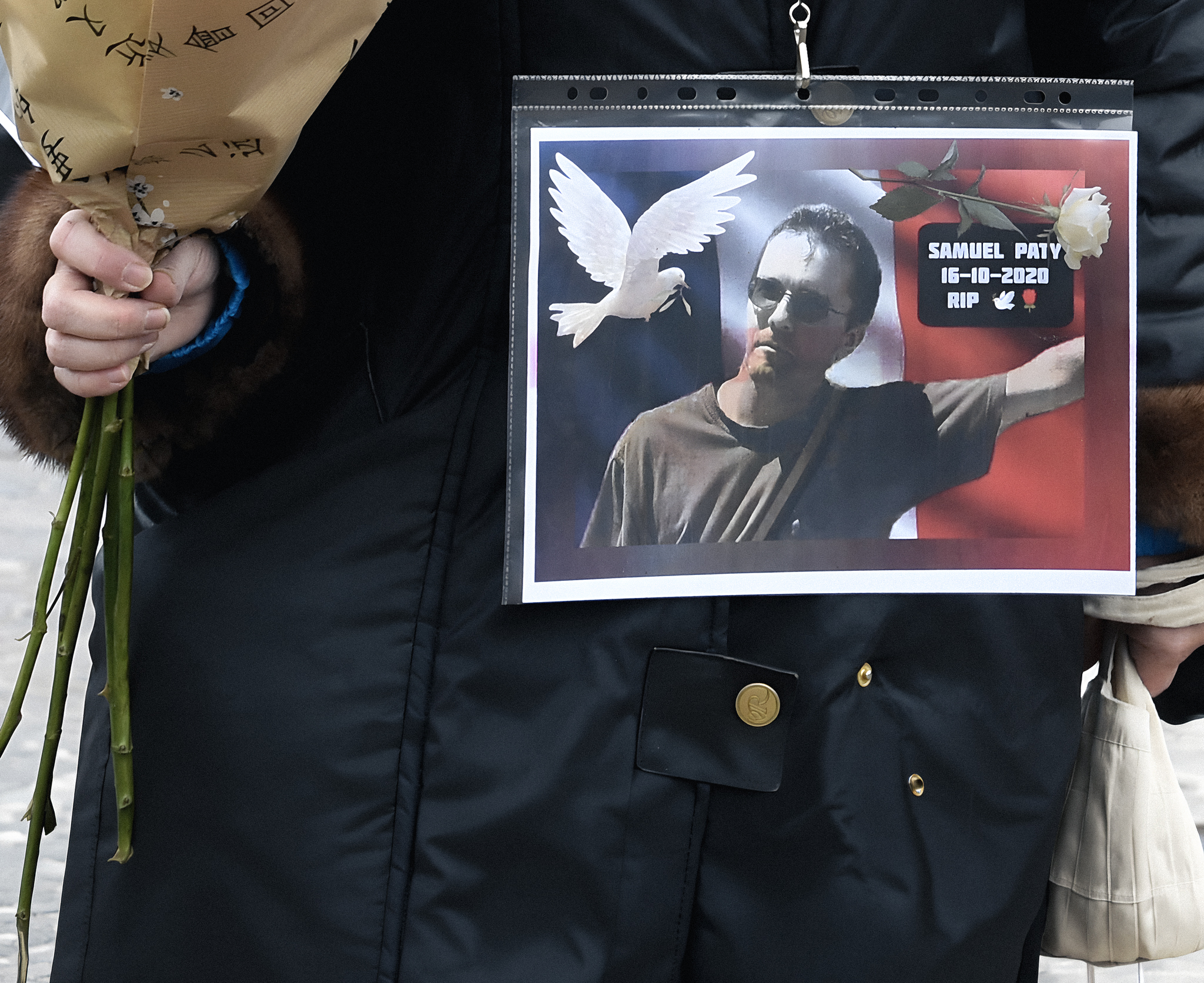
There are too many cases to deny the existence of bias among banks. But that bias runs in only one direction. Take Crédit Agricole, for example: the bank closed the accounts of the Iliade Institute, an identitarian think tank, but continues to work with the NGO Ummah Charity, an organization whose president was taken into police custody for launching a fundraising campaign in support of Brahim Chnina, who was implicated in the beheading of history teacher Samuel Paty.
Banks hide behind claims of rigor, prudence and the precautionary principle – even though the accounts in question are legitimate, with no overdrafts or foreign funding. Officially, political motivations are never cited. The lack of any requirement to justify account closures makes such decisions easier – one aspect of the law that should be changed. A bill to this effect was introduced in 2024. It enjoyed broad political consensus but, curiously, was never placed on the parliamentary agenda for a final vote.
The Illusion of the Right to a Bank Account
Under current law, associations, media outlets or political movements whose accounts are closed by a bank have little recourse. If they are unable to find a new financial institution, they must appeal to the Banque de France to assert their right to a bank account. To qualify, they must provide evidence that several banks have refused to open an account for them. The Banque de France then designates an institution that is required to accept them.
But this process is lengthy – it can take more than three months – and they must first obtain written refusals. Very often, the process drags on and nothing prevents the designated bank from closing the new account after six months, forcing the customer to start all over again.
Banking censorship is a formidable weapon – what essayist Mathieu Bock-Côté has denounced as “totalitarianism without the gulag”. France is not the only country affected by this phenomenon: across Europe, activists and lawmakers face banking obstruction.
The state does not officially forbid you from speaking out, but it deprives you of the material means to do so. You can form a political party, but you will not find a bank to help you contest elections. You can launch a newspaper, but you will not be able to collect donations or subscription fees. Even without breaking the law, you can be excluded from the economic system without a trial or conviction. Continuing to take a stand under these conditions requires considerable courage.